Sunset Dunes marks one year, draws 1.7 million visits, debate continues
One year after cars vanished from the Upper Great Highway, Sunset Dunes has logged about 1.7 million visits and become a political fault line in the Sunset.
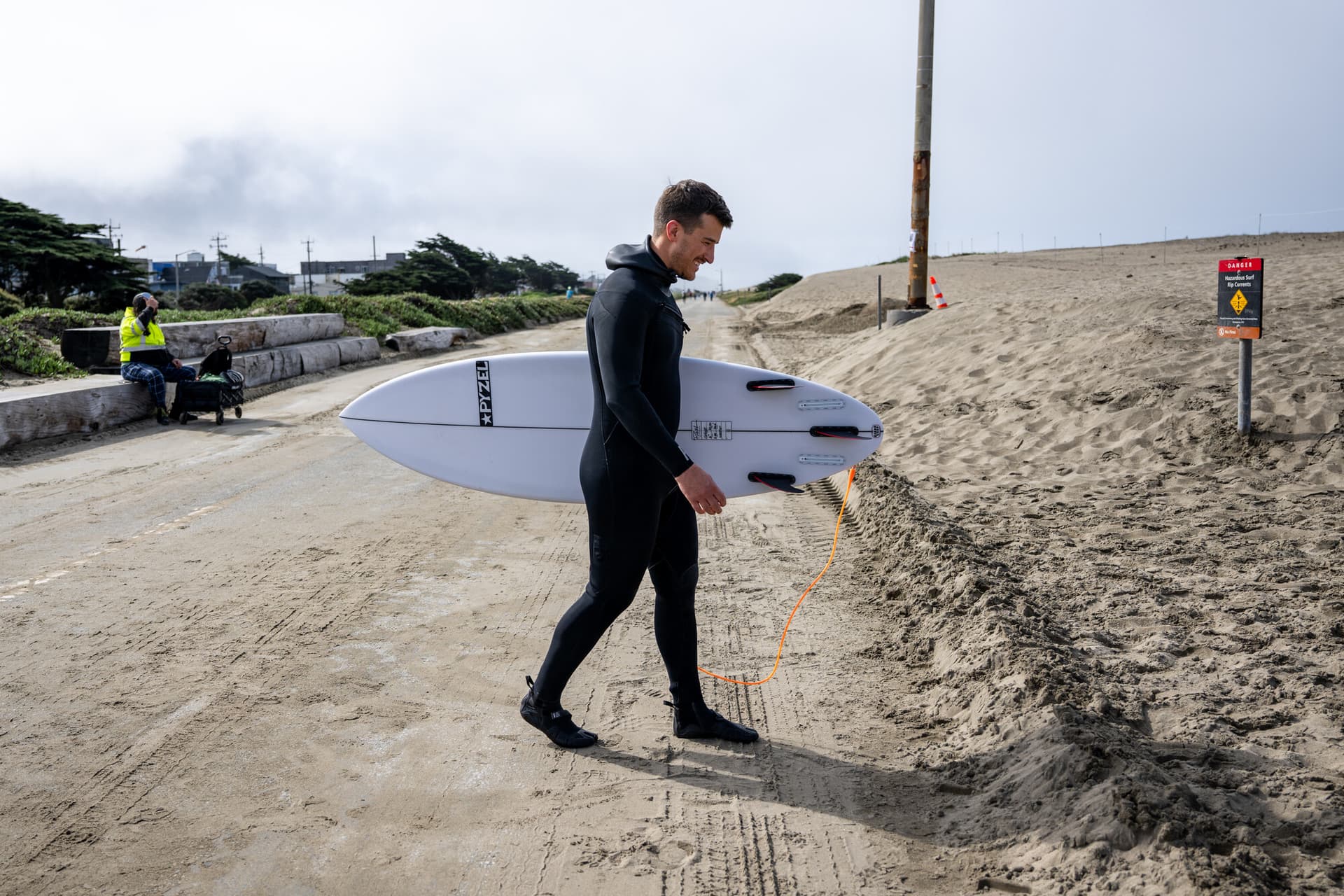
The stretch of the Upper Great Highway between Lincoln Way and Sloat Boulevard is no longer a through road for private cars. In its place, Sunset Dunes has drawn about 1.7 million visits in its first year, turning the oceanfront conversion into both a heavily used public space and one of San Francisco’s sharpest local political fights.
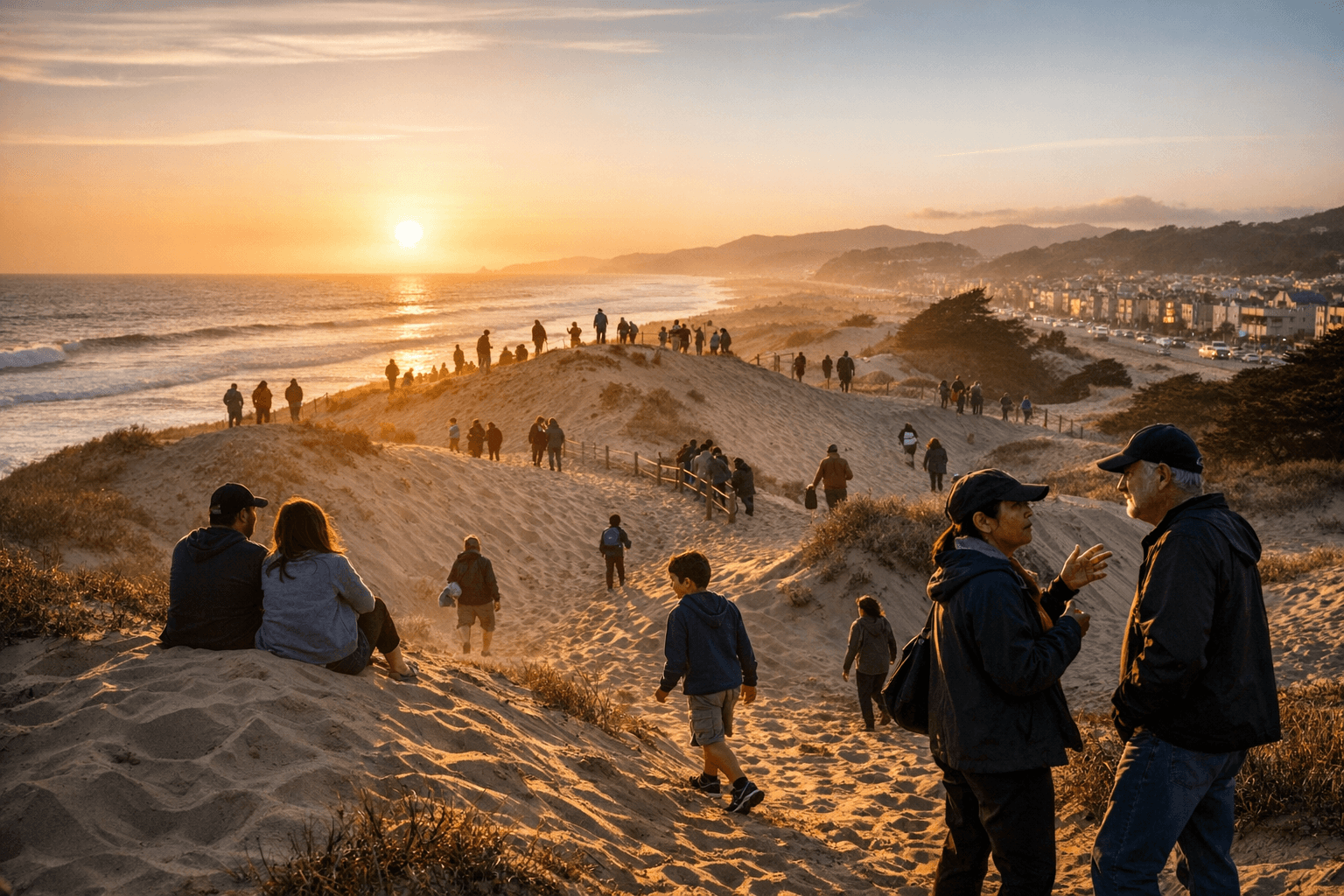
The park opened on April 12, 2025, after voters approved Proposition K on Nov. 5, 2024, sending the city into a new era at the edge of Ocean Beach. San Francisco Recreation & Parks marked the one-year anniversary with numbers that show the scale of the draw: 500,000 visits by August 2025, 1 million by Nov. 10, 2025, 1.5 million by Feb. 23, 2026, and a busiest non-event day of about 12,400 visits on March 8, 2026.
For park users, that volume has translated into a steady stream of cyclists, walkers, surfers and families using a coastline that is now dedicated to recreation instead of cut-through traffic. The California Coastal Commission had unanimously approved the conversion in December 2024, and city officials have framed the project as a major pedestrianization effort with dune restoration and coastal access at its center.
The broader traffic picture has been more complicated. SFMTA monitoring found that vehicle volumes on key Sunset arterials, including Lincoln Way and Sunset Boulevard, remained below pre-pandemic levels, even as some nearby corridors such as the Lower Great Highway and Chain of Lakes Drive saw increased traffic and localized congestion. The agency also noted small increases in Muni travel times on some routes and has advanced signal timing changes and other mitigation work around Lincoln Way and nearby intersections.
That split outcome has fueled the fight over who has paid the price for the park and who has benefited. Supporters point to safer recreation, ocean access and a public shoreline space that fills up on busy days. Opponents argue the change pushed more cars onto neighborhood streets and intensified daily frustration in the Sunset, even if the citywide traffic apocalypse they warned about never arrived.
The political aftermath has been just as striking. Former Supervisor Joel Engardio, who backed Proposition K, was recalled by District 4 voters on Sept. 16, 2025. In early January 2026, San Francisco Superior Court Judge Jeffrey S. Ross dismissed a lawsuit challenging the voter-approved closure, leaving Sunset Dunes in place. Current Supervisor Alan Wong later tried to qualify a ballot measure that would have allowed weekday vehicle access, but it failed to make the June 2026 ballot.
That leaves Sunset Dunes standing, for now, as more than a beachside park. It is a live test of how San Francisco balances open space, traffic, climate planning and neighborhood politics, and the next round of ballot fights could decide whether the city treats the Great Highway as a settled success or an unfinished argument.
This article was produced by Prism’s automated news system from verified source data, official records, and press releases, then run through automated quality and moderation checks before publishing. The system is built and supervised by the people who set the standards it runs under. Read our full AI policy.
Did this article answer your question?