San Francisco extends scooter permits as complaints, ridership surge
Complaints about shared scooters more than doubled, but San Francisco still voted to keep Lime and Spin on the streets through June 2028.
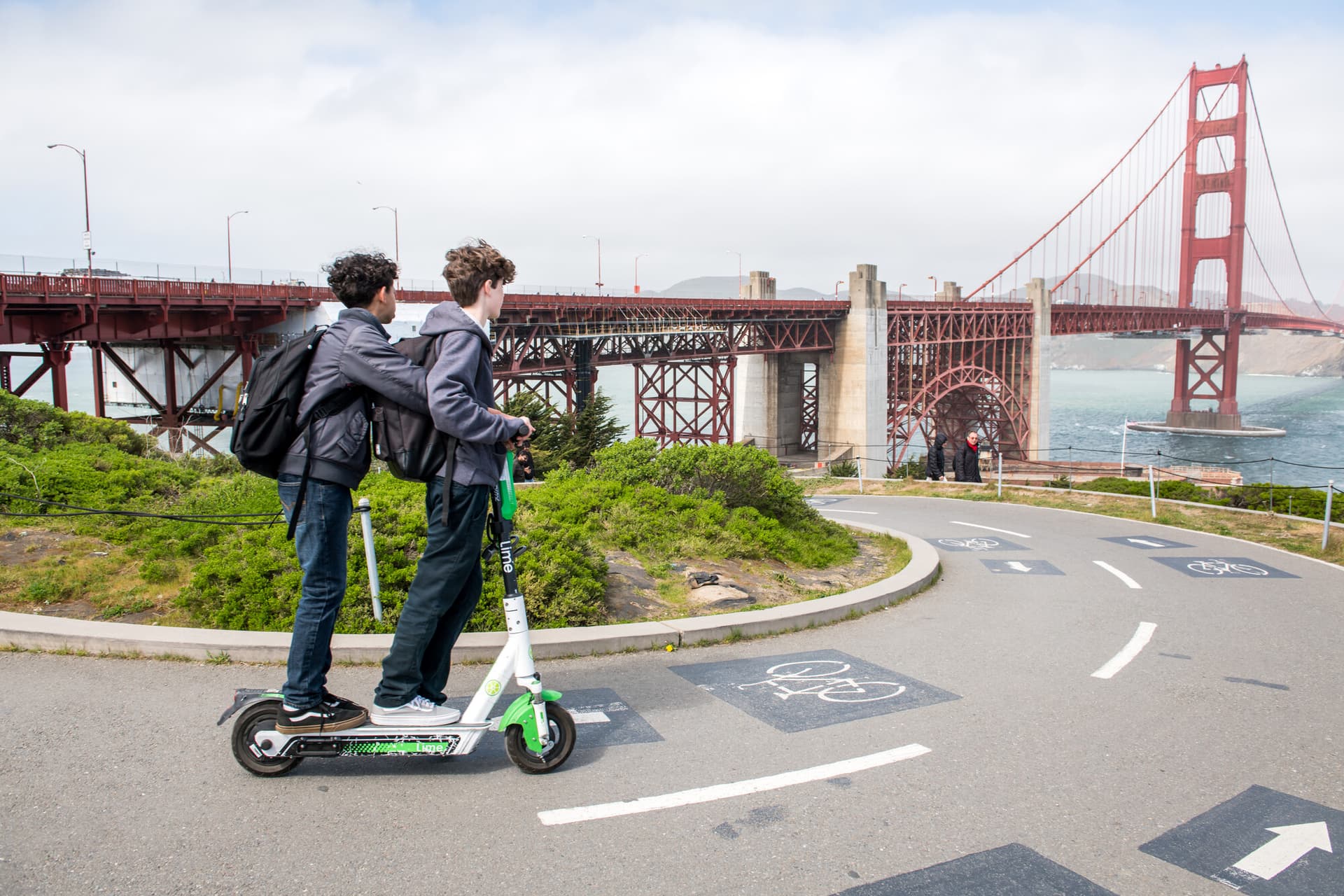
North Beach sidewalks have become one of San Francisco’s clearest stress points. Complaints about scooter problems in the city rose from just over 5,000 to more than 11,000 last year, even as Lime ridership more than doubled between 2024 and 2025, sharpening the divide between riders who use scooters for short trips and neighbors who see clutter, blocked access and risky riding.
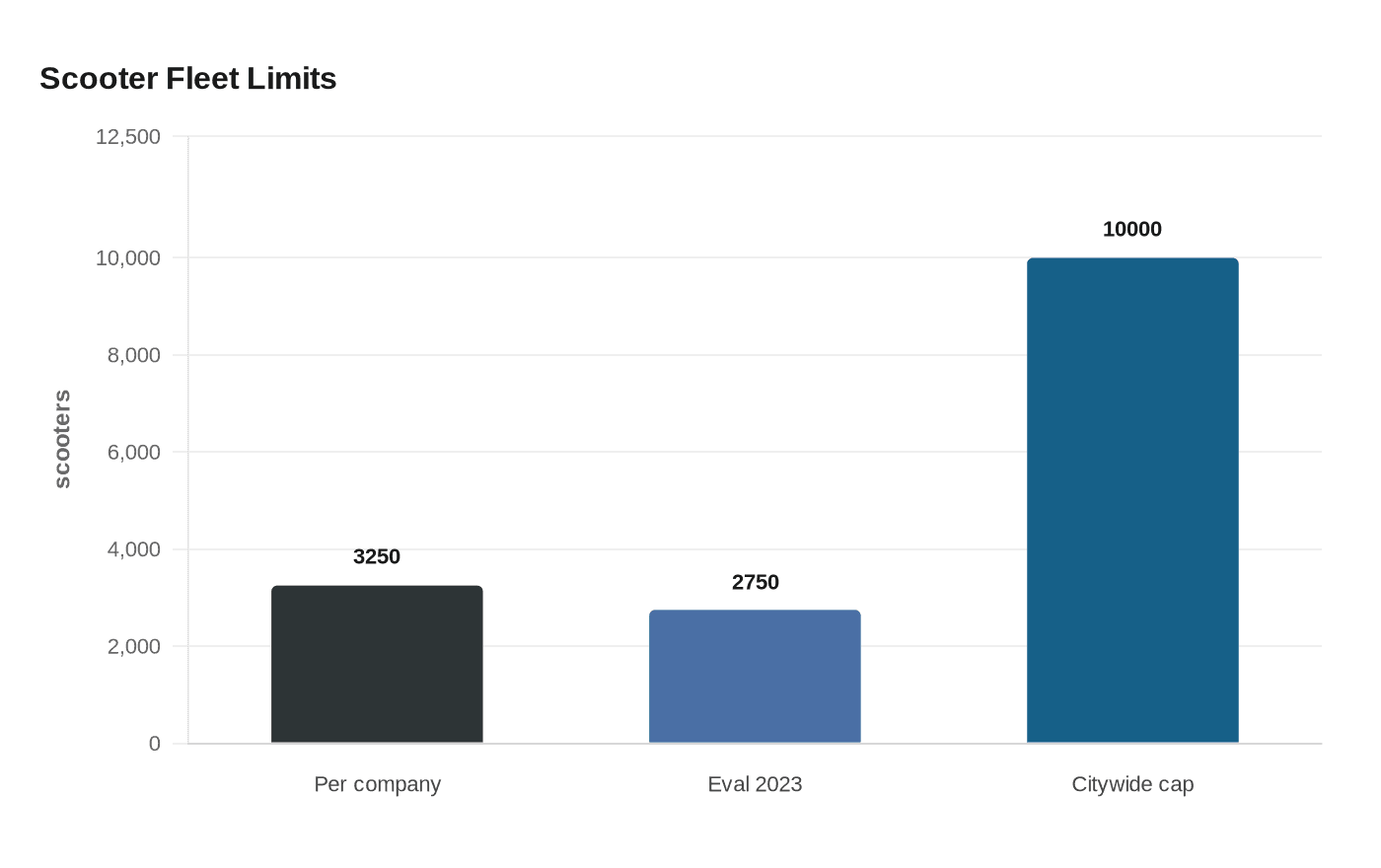
The SFMTA Board voted unanimously to extend Lime and Spin permits through June 30, 2028, instead of forcing the companies to compete for a new authorization cycle when the current permits expire on June 30, 2026. The agency said the extension was also meant to make efficient use of limited staff resources. Under the city’s program, each company is limited to 3,250 scooters, and officials said the operators still have to keep improving fleet management, staging and complaint handling.
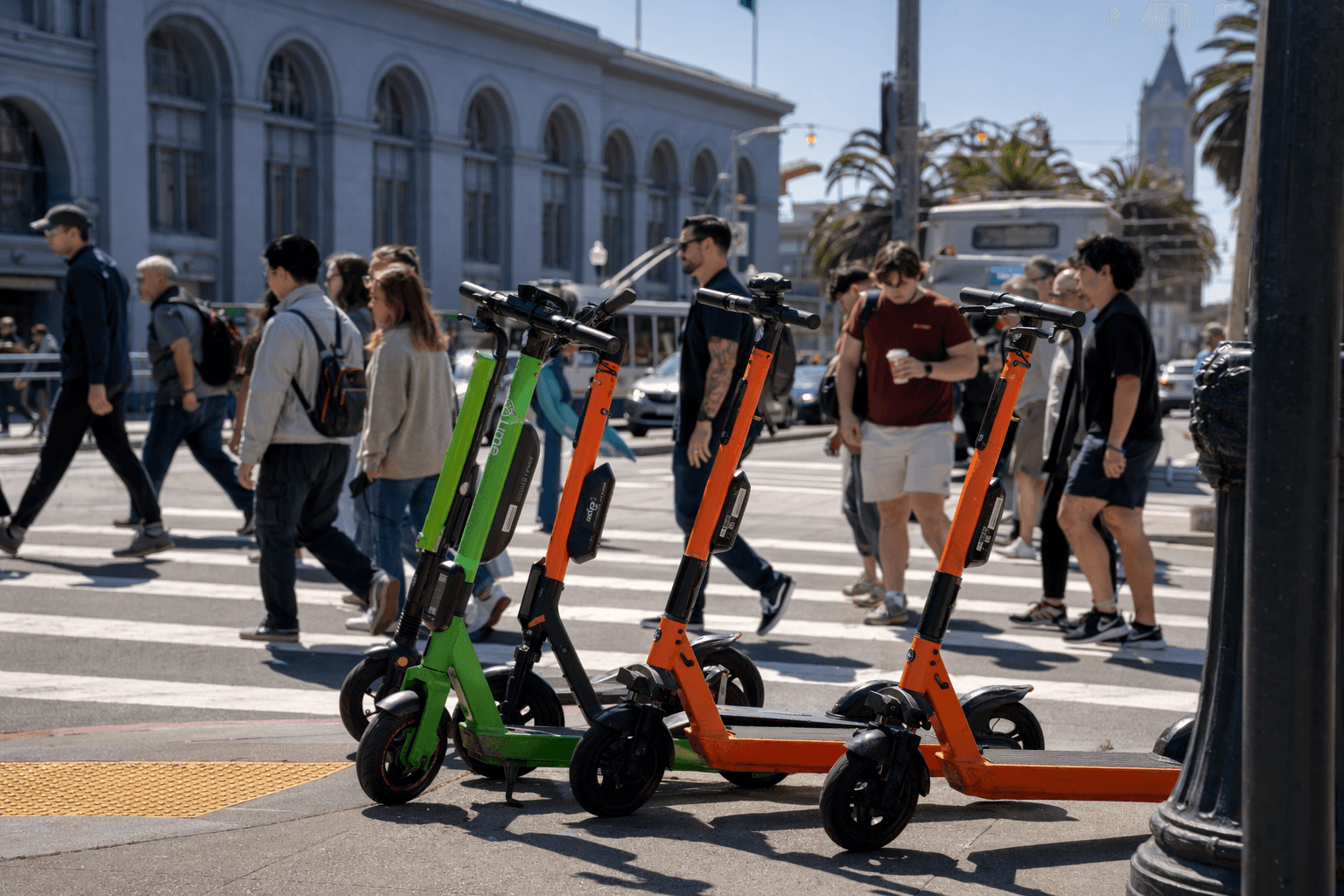
That decision reflects how far the scooter program has evolved since powered scooters first appeared on San Francisco streets in spring 2018. SFMTA has regulated the service since that year, and Lime and Spin have both operated in the city since 2019. Earlier city policy tied fleet growth to service, compliance and equity goals, while city materials had capped scooter-share fleets at 10,000 devices citywide. A 2023 SFMTA evaluation said Lime and Spin each could operate up to 2,750 scooters under the then-current structure.
The pressure is not spread evenly. North Beach generated a particularly large share of 311 complaints, underscoring how some neighborhoods experience scooter congestion far more intensely than others. The biggest complaints involved scooters left in the wrong place, including devices blocking sidewalks and driveways, and scooters being ridden in unsafe ways. San Francisco’s complaint system also separates those problems: residents are directed to report unsafe riding, such as riding on sidewalks or weaving in traffic, through one channel, while improper parking is handled differently.
The city is trying to preserve a mode many riders rely on for first-mile and last-mile trips, especially in a dense city where scooters can reduce car dependence. But the friction is now part of a broader local transportation debate that has also included stronger regulation of electric mobility devices after multiple fatalities involving electric devices and tighter lithium-ion battery rules for e-bikes and scooters because of fire risks.
For San Francisco, the permit extension is a bet that oversight can do what a shutdown would not: keep a useful transportation option in place without letting it become a daily obstacle on sidewalks, in driveways and across the city’s most crowded blocks.
This article was produced by Prism’s automated news system from verified source data, official records, and press releases, then run through automated quality and moderation checks before publishing. The system is built and supervised by the people who set the standards it runs under. Read our full AI policy.
Did this article answer your question?