San Francisco poised to lend zoo $8.5 million after audit findings
San Francisco is weighing an $8.5 million loan for the zoo after auditors found nearly $12 million in capital spending went forward without required approval.
San Francisco is preparing to put $8.5 million behind the zoo that anchors family outings on the city’s west side, even as auditors say nearly $12 million in capital-improvement spending moved ahead without the approval it was supposed to get. The proposed lifeline would keep the San Francisco Zoo operating while city leaders press for fixes that go well beyond the balance sheet.
The latest performance and management audit, released May 1 by the San Francisco Budget and Legislative Analyst, covered zoo finances and operations from 2019 through June 30, 2025. It produced 11 findings and 49 recommendations. The San Francisco Zoological Society agreed with all 37 applicable recommendations directed to it, but the audit also said projects were undertaken that should have gone to the Recreation and Park Commission for approval, generally because they topped $50,000.
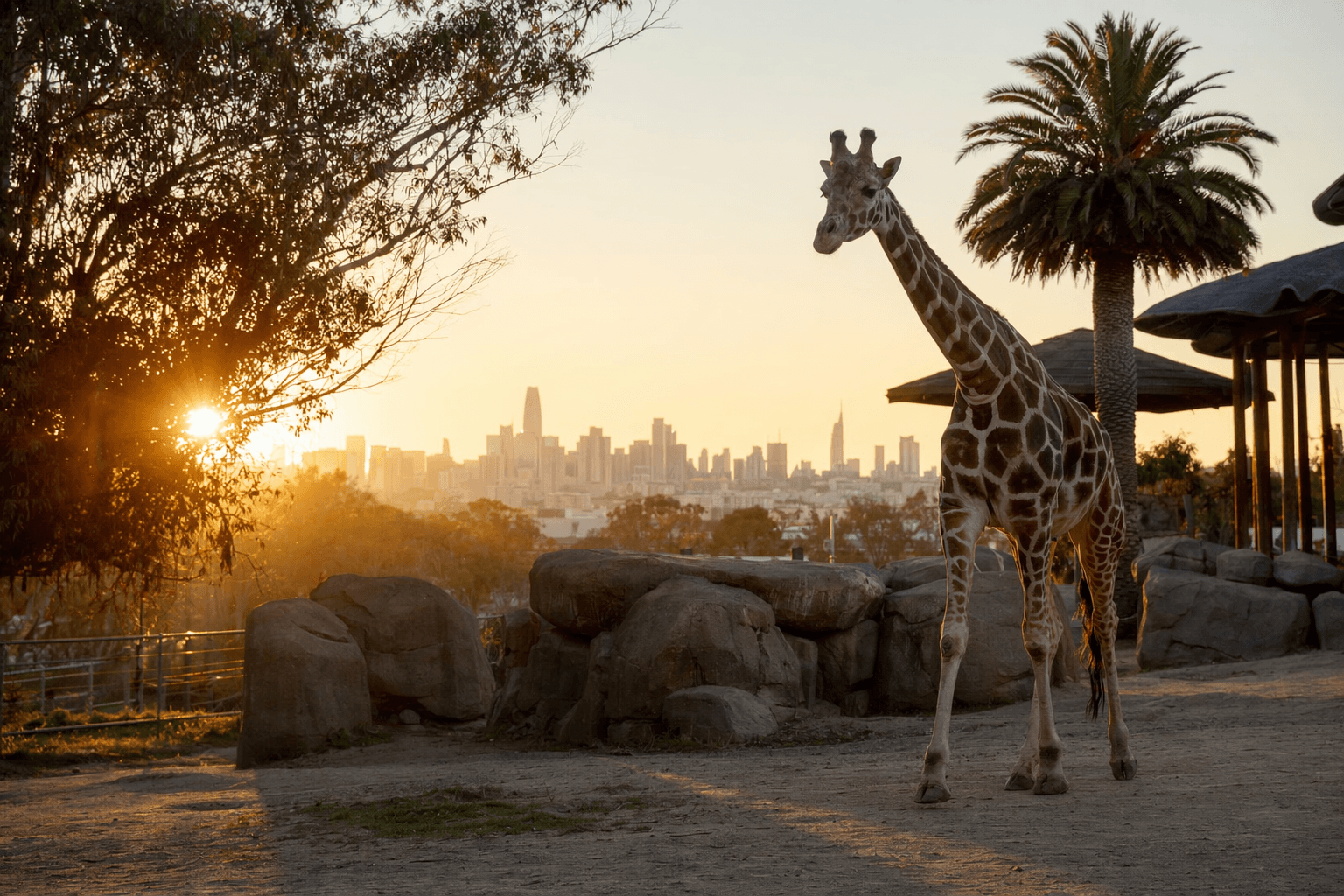
That finding lands in the middle of a broader governance crisis. In June 2025, earlier audit correspondence said four of 25 initial audit items were still entirely unaddressed and 13 were only partially fulfilled. Around the same time, Mayor Daniel Lurie pushed for new leadership, the union representing about 100 zoo workers voted no confidence in then-CEO Tanya Peterson, and the Animal Control and Welfare Commission described the zoo as unsafe and extremely outdated. Peterson later stepped down, and the zoo named Cassandra Costello as permanent CEO in February 2026.
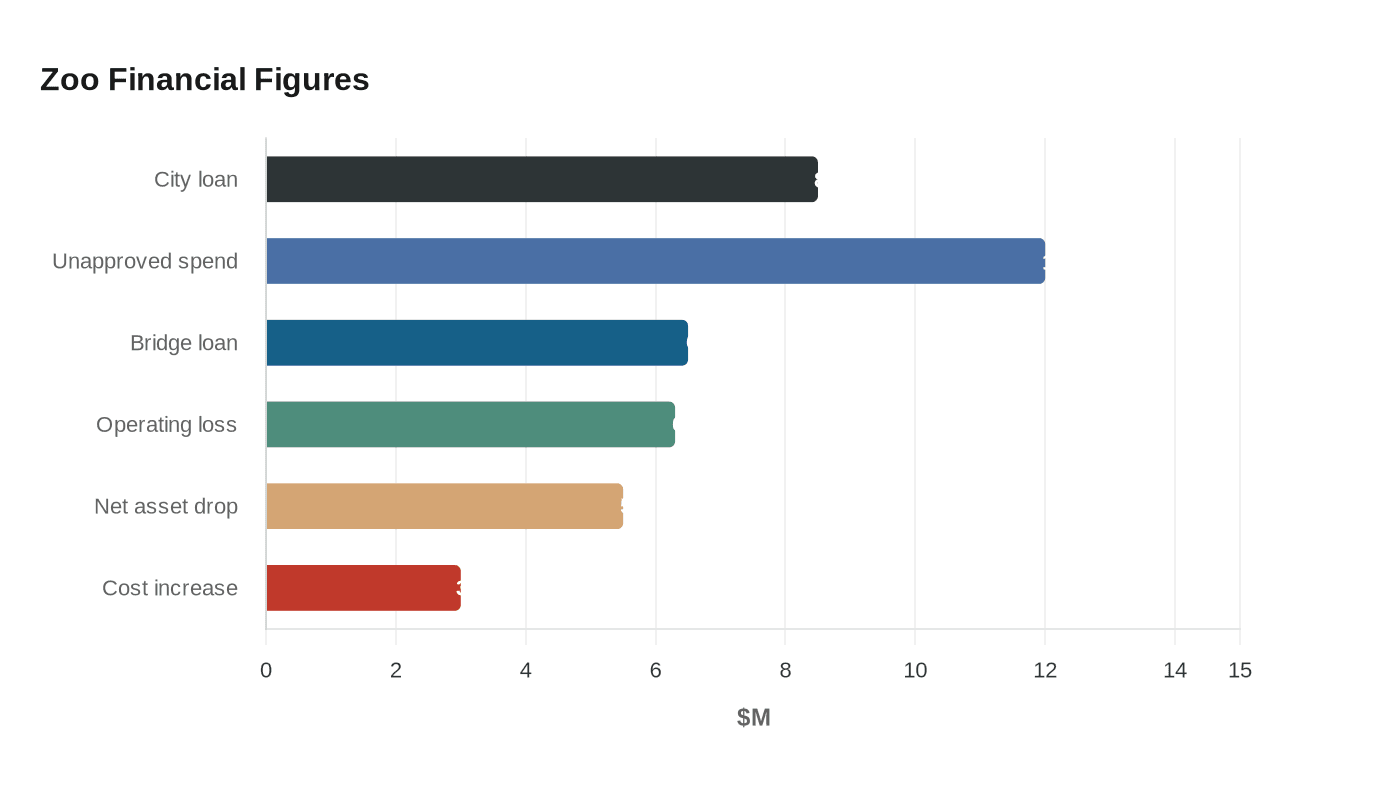
Costello is now trying to steady an institution under heavy financial strain. April reporting said the nonprofit had already received a $6.5 million bridge loan tied to oversight conditions, and its audited financial statements for the year ended June 30, 2025 showed an operating loss of about $6.3 million and a roughly $5.5 million drop in net assets, or 27 percent. Attendance has fallen since the pandemic, while operating costs have risen by roughly $3 million.
Supervisor Myrna Melgar, whose district includes the zoo, has argued that the institution matters not only as a place for residents and schoolchildren but also for the surrounding local economy. Zoo leaders say lower attendance has cut gate revenue, parking income and food-and-beverage sales, deepening the pressure to keep animals cared for, field trips and summer camps running, and the zoo on track for its next Association of Zoos and Aquariums accreditation cycle in 2027.
The city now faces a familiar San Francisco question: whether a public institution with deep emotional value can be stabilized without turning taxpayer support into a reward for years of weak oversight. The loan would buy time. It would not, by itself, answer who approved what, why the controls failed, or whether the zoo can be repaired before the next crisis arrives.
This article was produced by Prism’s automated news system from verified source data, official records, and press releases, then run through automated quality and moderation checks before publishing. The system is built and supervised by the people who set the standards it runs under. Read our full AI policy.
Did this article answer your question?