San Francisco Ferry Ridership Surges as BART, Muni Face Shortfalls
Ferries carried 2.6 million riders in 2024, while Muni and BART kept warning about deficits. The split is forcing a citywide question: what transit riders will pay for and trust.
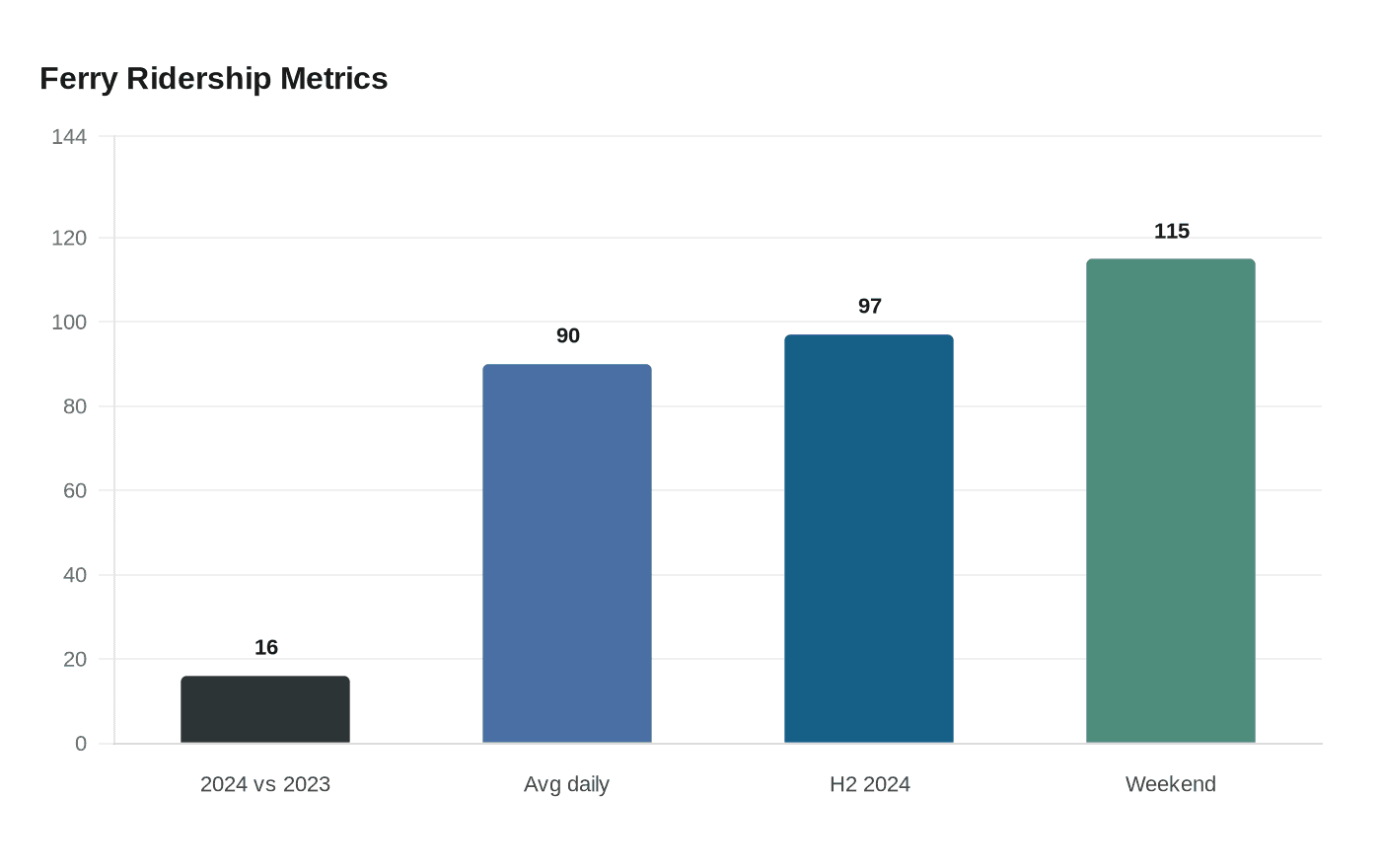
At the water’s edge, San Francisco’s ferry system is running against the grain of the city’s transit crisis. San Francisco Bay Ferry said it carried 2.6 million passengers in 2024, up 16% from 2023, with average daily ridership reaching 7,148, about 90% of pre-pandemic levels.
The rebound was even stronger late in the year. The agency said the final six months of 2024 reached 97% of pre-pandemic ridership, and weekend demand climbed to 115% of 2019 levels. Every transbay route posted at least 10% annual growth, a notable contrast to the budget strain now confronting the rest of the region’s transit network.
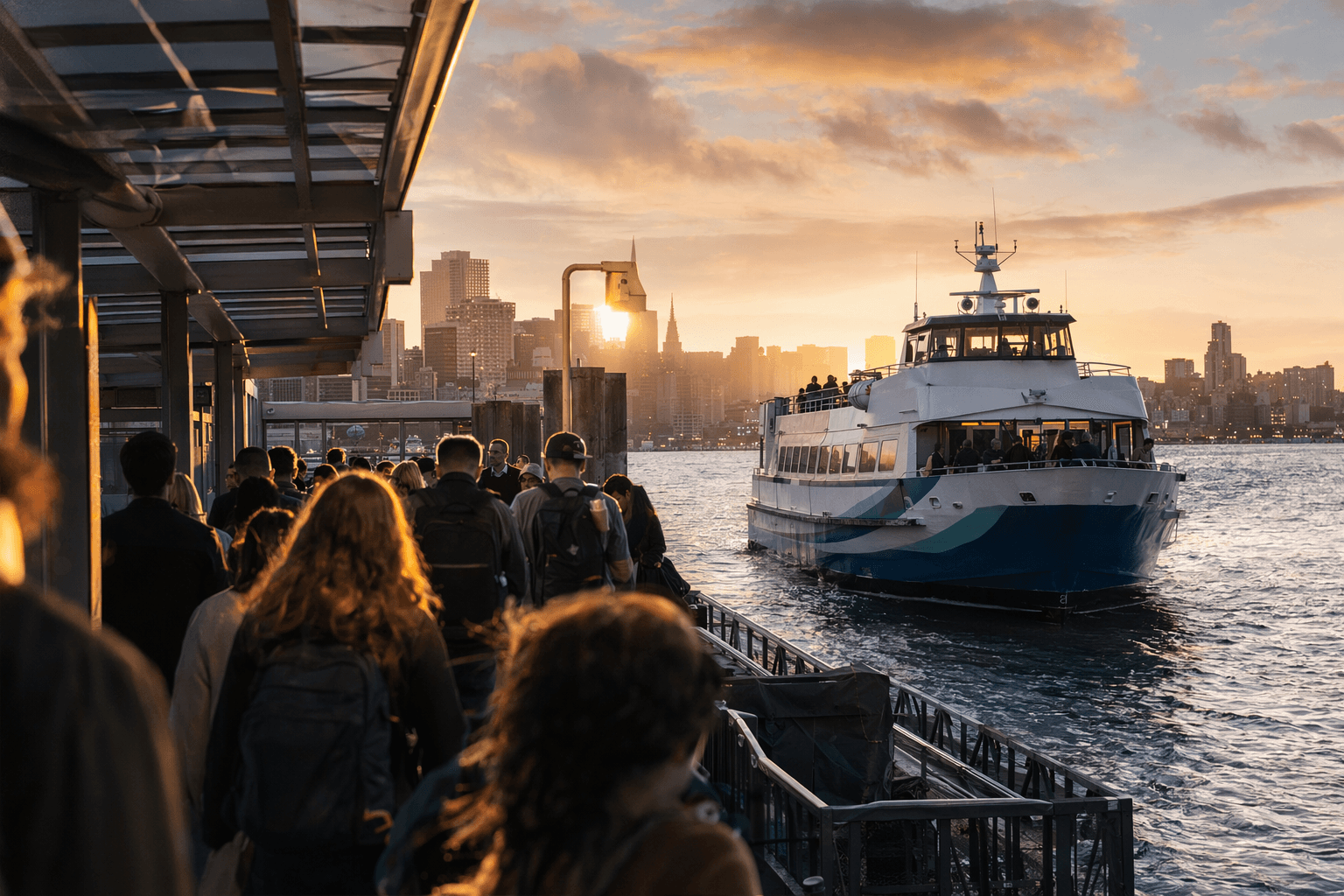
That growth has come from a mix of practical and experiential advantages. The ferry agency credited competitive fares, improved schedules and the draw of water transit itself, a reminder that reliability and comfort can matter as much as sheer network size. For riders moving between San Francisco, Oakland, Alameda, Richmond, Vallejo, South San Francisco and Redwood City, the ferry can feel faster, calmer and more predictable than a crowded rail or bus trip.
The agency also spent 2024 testing new ideas. It launched three pilot services, the Redwood City Ballpark Pilot, the Sea Change Hydrogen Fuel Cell Demonstration Project and the Oakland Alameda Water Shuttle. Those experiments suggest San Francisco Bay Ferry is not simply benefiting from a post-pandemic rebound. It is also trying to widen the ways people use the water.
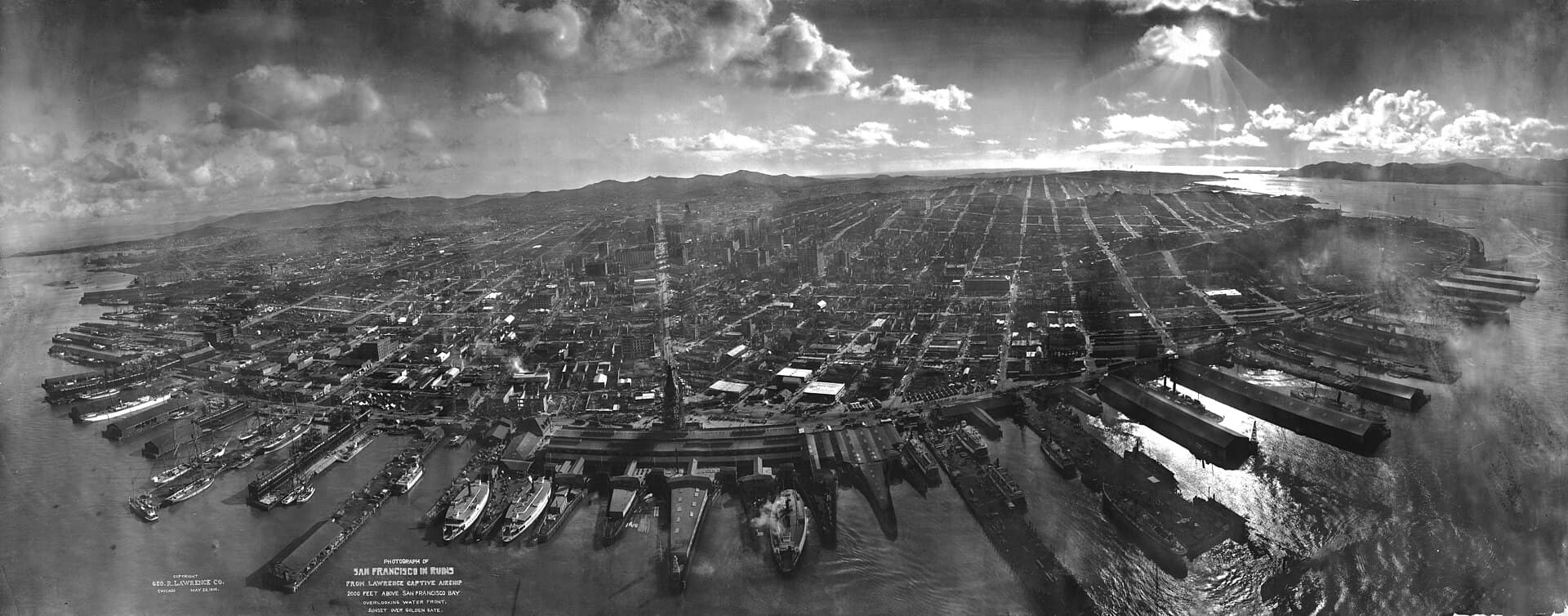
On land, the picture is far darker. The San Francisco Municipal Transportation Agency’s deficit was projected to rise to about $322 million by July 2026. The Controller’s Office pointed to declining parking revenue, lower ridership tied to remote work, exhausted federal and state grants and slower growth in the General Fund as major drivers of the shortfall.
BART has managed to avoid service cuts for one more year, but only by using the remaining $318 million in state and regional emergency funds. Its FY26 operating budget is about $1.2 billion and includes a planned 6.2% fare increase, while the board has warned of a fiscal cliff in FY27 if new revenue does not arrive. Regional partners are backing a November 2026 ballot measure to try to fill the gap.
The contrast is sharp: ferries are growing because they are being treated as a premium, dependable commute option, while Muni and BART are still trying to figure out how to pay for their basic promises. In a city built on hills, bridges and water, the lesson may be that riders will keep choosing the service that feels the most reliable, even if it serves fewer people.
This article was produced by Prism’s automated news system from verified source data, official records, and press releases, then run through automated quality and moderation checks before publishing. The system is built and supervised by the people who set the standards it runs under. Read our full AI policy.
Did this article answer your question?