San Francisco housing push tests local control under state mandate
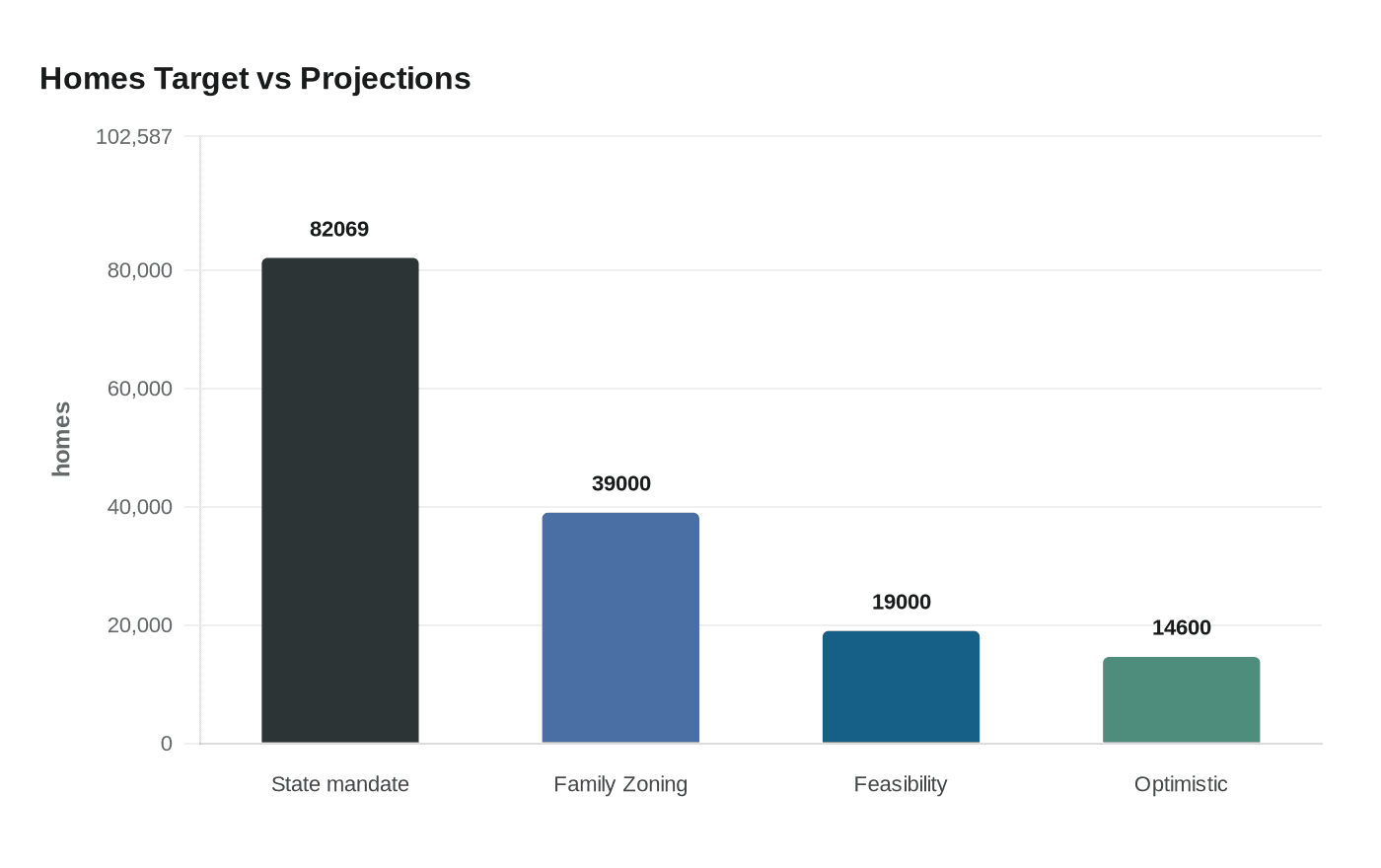
San Francisco’s Family Zoning plan put 92,000 parcels in play, even as west side neighborhoods braced for change. The city must make room for 82,069 homes by 2031.

San Francisco’s housing fight has shifted from a familiar local veto to a state-imposed deadline. Under California’s mandate, the city must plan for 82,069 new homes by 2031, and local officials have said a rezoning plan has to be adopted by January 2026 or San Francisco risks losing state funding and control over housing development.
Mayor Daniel Lurie moved first with his Family Zoning legislation on June 24, 2025, pitching it as a way to modernize Planning Code rules that date back more than 50 years while preserving local influence over where housing goes. The draft plan would create capacity for about 39,000 additional homes across roughly 92,000 parcels, a scale that would touch neighborhoods from the west side to downtown. A separate Planning Department feasibility analysis said the proposal could yield about 19,000 moderate- and above-moderate-income units.
The city’s Office of Economic Analysis has been more cautious. Chief economist Ted Egan projected the plan may produce only about 14,600 new units under optimistic modeling, reflecting how much more expensive construction has become since before the pandemic. Even so, the analysis said the rezoning would likely have broadly positive effects on housing prices and the wider economy.
The zoning push is also a test of how much leverage San Francisco still has after years of state pressure. The California Department of Housing and Community Development issued its San Francisco Housing Policy and Practice Review on Oct. 25, 2023, identifying 18 required actions and 10 recommended actions to remove barriers to housing production. The city says it completed related corrective steps on Jan. 16, 2024. Supporters argue those actions, along with the new zoning map, are necessary to keep San Francisco in compliance and avoid losing state funding tied to transit and affordable housing.
Backers including SPUR, YIMBY Action and state Sen. Scott Wiener have framed the changes as overdue, especially for housing near schools, transit and jobs. Lurie has paired the zoning push with PermitSF reforms and other efforts to speed approvals and encourage downtown housing conversions. The San Francisco Planning Department said the Family Zoning Plan was approved on Dec. 12, 2025, after more than three years of community engagement and approvals by the Planning Commission and the Board of Supervisors.
The political battle now centers on what that approval means on the ground. Advocates call it the biggest zoning overhaul since San Francisco’s 1978 downzoning. Critics warn that denser housing could alter long-stable west side neighborhoods, including parts of the Sunset District and other northern and western areas, and put pressure on rent-controlled buildings, small businesses and historic landmarks. The central question is no longer whether San Francisco will change, but who gets to decide how much.
This article was produced by Prism’s automated news system from verified source data, official records, and press releases, then run through automated quality and moderation checks before publishing. The system is built and supervised by the people who set the standards it runs under. Read our full AI policy.
Did this article answer your question?