San Francisco rethinks mental health oversight amid overdose crisis
San Francisco’s behavioral health watchdog has vacant seats even as overdose deaths remain high. City Hall is betting on more treatment beds, new rules, and tighter oversight to change what people see on the street.

At City Hall, San Francisco is still trying to prove that its mental health system and drug policy changes can move the needle where it matters most, on sidewalks, in emergency rooms and in neighborhoods hit hardest by overdose deaths. The city recorded 635 unintentional drug overdose deaths in 2024, down from 810 in 2023, the highest number in city records, but the crisis remains severe enough to keep pressure on officials to show results residents can see.
One key piece of that response is the Behavioral Health Commission, the body formerly known as the Mental Health Board. The commission advises the Board of Supervisors and the Mental Health Director on funding and services, and it is supposed to provide outside oversight of a system that many San Franciscans judge by whether people are getting treatment before they land in jail, an emergency room, or on the street. The city’s calendar shows the commission meeting on the third Thursday of each month at 6 p.m., with Rules and Reports and Implementation committees meeting on the second Tuesday. The April schedule included meetings on April 7 and April 16, while a vacancy notice showed multiple seats vacant or held over, a sign that the board is still in flux.
The public health numbers show both the scale of the problem and a possible turn. The San Francisco Department of Public Health said overdose deaths fell 14.9% in January through July 2024 compared with the same period in 2023, and preliminary July 2024 deaths fell to 39, the lowest monthly total since January 2020. Those gains matter, but they come after a deadly run that left the city looking for faster routes into treatment and more accountability for the systems meant to provide it.
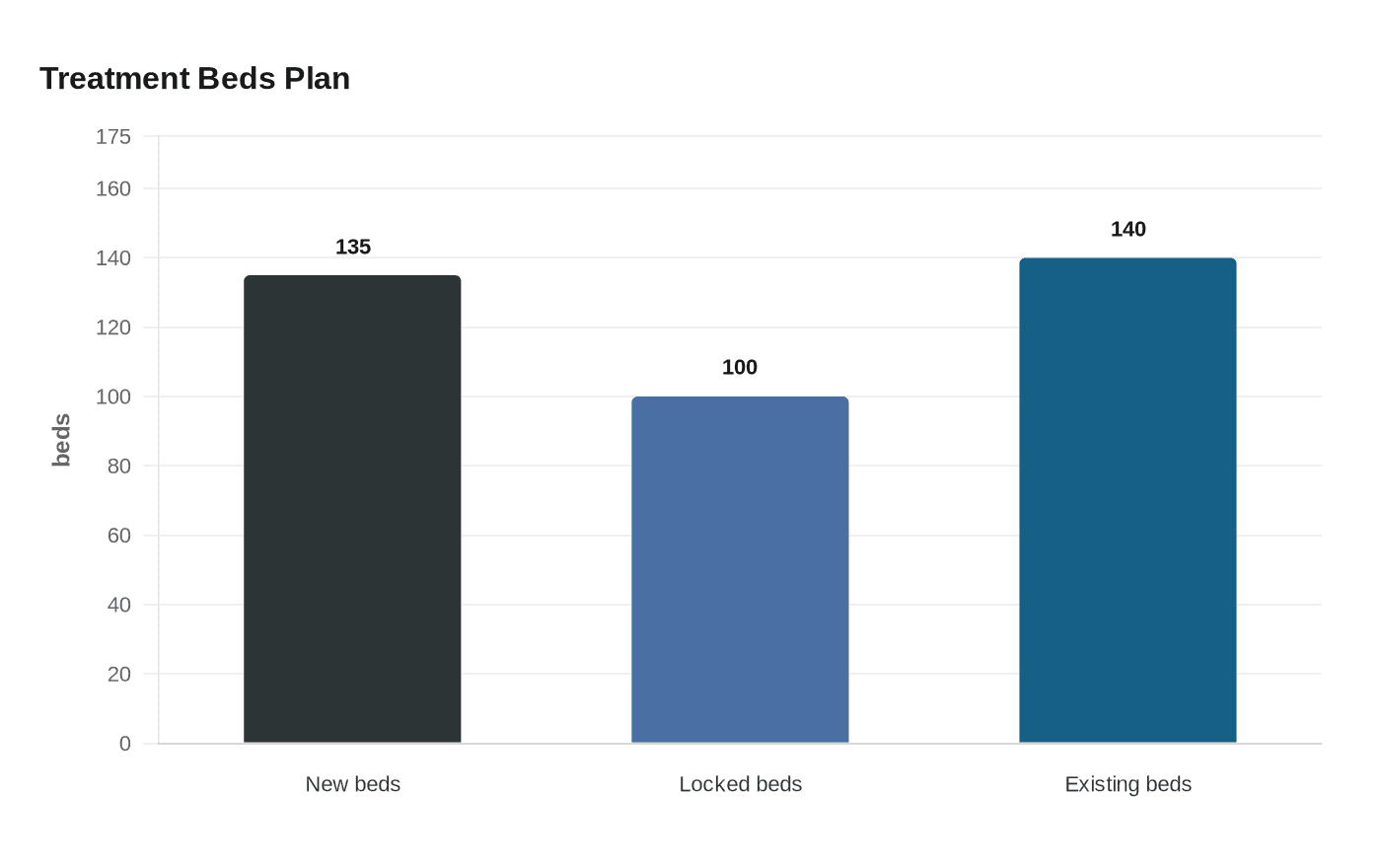
Supervisor Rafael Mandelman pushed that debate further with hearings on behavioral health and substance use treatment, including how San Francisco is carrying out California Senate Bill 43, which took effect in January 2024 and expanded conservatorship criteria to include severe substance use disorders. After Proposition 1 passed in March 2024, the city’s Residential Care and Treatment Workgroup recommended adding up to 135 new residential treatment beds and helped support San Francisco’s application for about 100 locked subacute treatment beds, building on an existing portfolio of 140.
The policy line has also shifted. In May 2025, the Board of Supervisors unanimously approved Matt Dorsey’s Recovery First ordinance, changing the city’s stated goal to long-term remission after doctors and harm-reduction advocates pressed to broaden an original abstinence-first version. The San Francisco Marin Medical Society, which represents more than 3,500 physicians, urged that change, while opponents warned that a stricter approach could push away people not yet ready to quit. Mayor Daniel Lurie, who took office in January 2025, has also moved to restrict city-funded nonprofits from distributing certain harm-reduction supplies in parks and on sidewalks, underscoring a citywide reset that now has to be judged by a blunt standard: whether fewer people are dying, more people are getting treated, and whether San Francisco’s streets look and feel safer in the months ahead.
This article was produced by Prism’s automated news system from verified source data, official records, and press releases, then run through automated quality and moderation checks before publishing. The system is built and supervised by the people who set the standards it runs under. Read our full AI policy.
Did this article answer your question?