San Francisco jury set to deliberate in narcotics, hit-and-run trial
Jurors were due to weigh narcotics-for-sale claims and a hit-and-run at the Hall of Justice, after a judge held the accused to six felony drug counts.
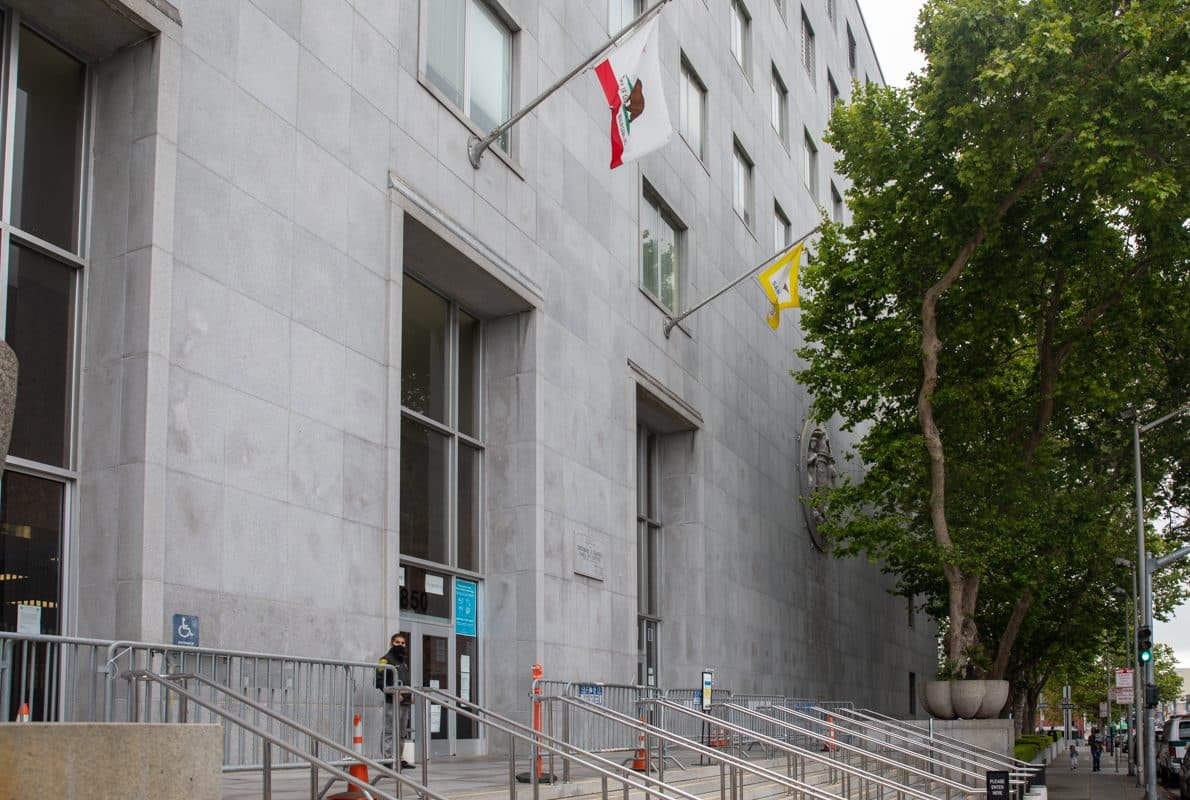
Jurors in San Francisco Superior Court were set to begin deliberations July 16 in a Hall of Justice case centered on two questions: whether the defendant intended to sell narcotics and whether he knowingly fled a hit-and-run. The trial drew attention because it folded street-level drug allegations and traffic accountability into the same courtroom fight over public safety.
Closing arguments in Department 21 turned on credibility. Deputy Public Defender Deborah Awolope challenged inconsistencies in police testimony and pressed the argument that the prosecution had not proved its theory beyond a reasonable doubt. Deputy District Attorney Andre Guiulfo, by contrast, told jurors the evidence showed the defendant deliberately fled to protect a drug supply intended for sale.

A separate July 21 hearing in Department 9 sharpened the stakes. Judge Dawn Payne denied a defense motion to suppress evidence and held the accused to answer on six felony counts of possessing various controlled substances for sale. That ruling kept the drug allegations intact as the case moved deeper into San Francisco’s criminal courts.
The San Francisco Superior Court’s own drug-treatment materials add another layer to the dispute over how the city handles low-level narcotics cases. The court says its Drug Treatment Program is meant for defendants and probationers with substantial substance-use disorders who face nonviolent felony drug or property charges. Its Drug Court is intended to connect eligible defendants with community treatment services in the interest of public safety.
That framework makes the outcome more than a routine verdict sheet. A guilty verdict would support prosecutors’ view that the narcotics evidence, the alleged intent to sell, and the hit-and-run flight were part of one deliberate pattern of behavior. A not-guilty verdict would indicate that jurors were not persuaded by the police testimony or by the claim that the defendant’s actions were tied to a drug supply meant for sale.
In a county where residents regularly debate whether street-level drug offenses and hit-and-run cases are punished consistently, the Hall of Justice case has become a test of how San Francisco courts weigh evidence, credibility and neighborhood harm in the same prosecution.
This article was produced by Prism’s automated news system from verified source data, official records, and press releases, then run through automated quality and moderation checks before publishing. The system is built and supervised by the people who set the standards it runs under. Read our full AI policy.
Did this article answer your question?