San Francisco recovery collides with renewed affordability pressures
Downtown home prices were rebounding, but firefighter Liam Murphy's long commute showed how San Francisco's recovery kept colliding with affordability.
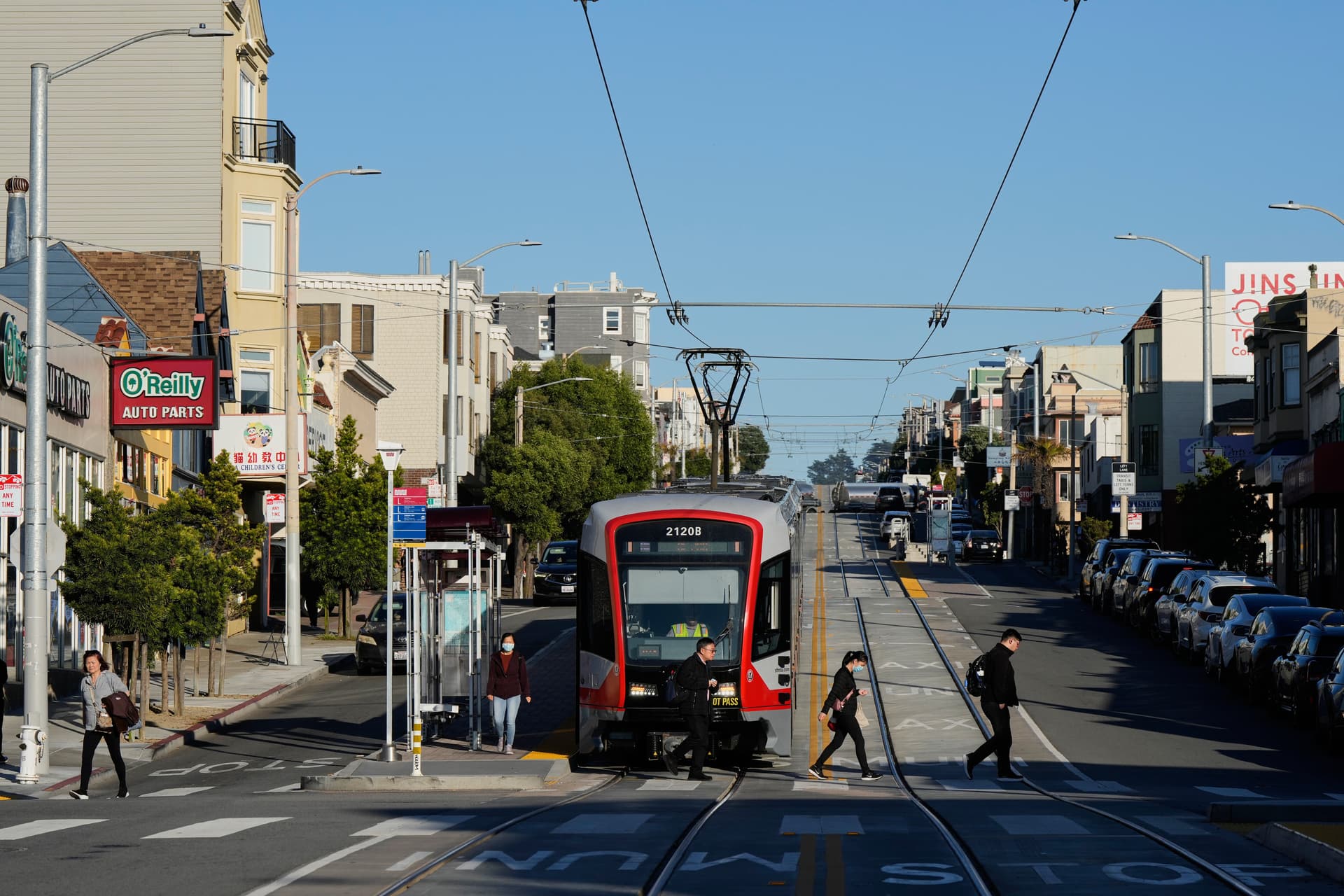
San Francisco's comeback brought back a familiar squeeze: downtown home prices were rebounding, but rents, homeownership and commuting costs were rising again as Mayor Daniel Lurie sold a bounce-back narrative. For firefighters, renters and middle-income families, the recovery was not just about optimism. It was about whether they could still afford to stay in the city.
Lurie’s challenge was illustrated by Liam Murphy, a fifth-generation San Franciscan firefighter who had been repeatedly outbid for tiny two-bedroom houses that sold for $1.6 million. Murphy, 39, was living about an hour from his San Francisco job because he could not afford to move back. That gap between the city’s return-to-office momentum and the price of daily life has made affordability a political test as much as an economic one.
The broader economy offered mixed signals. The Federal Reserve Bank of San Francisco’s February 2026 Beige Book said activity in the district slowed slightly, employment was stable on net, and technology layoffs continued. Prices rose moderately, and some contacts said input costs were climbing faster than selling prices, a warning sign for small businesses already trying to absorb higher labor, rent and supply bills. The Fed’s February 2026 work on housing also kept affordability at the center of the policy debate, while a separate February working paper argued that supply constraints do not explain house price and quantity growth across U.S. cities.

City Hall was already moving on housing before the latest rebound narrative took hold. San Francisco’s proposed FY 2026-2027 and FY 2027-2028 budget book was published on March 31 under Lurie’s name, and the San Francisco Board of Supervisors Budget and Legislative Analyst’s Office released a June 5 report for Supervisor Chyanne Chen on funding and incentivizing affordable housing. On May 19, local leaders warned that affordable housing supply was running out and pushed to double the Housing Trust Fund, which city materials say was created in 2012 through a Charter Amendment.
Lurie also backed a string of housing actions in 2026. SF.gov said he signed legislation to boost housing production, announced transformative funding for affordable housing with Supervisor Myrna Melgar, and unveiled a plan to create housing and jobs with Supervisor Bilal Mahmood. The city also opened 64 new affordable homes for transitional-age youth and low-income families. Those units showed progress, but the larger political problem remained: a city can celebrate revival only if the people who keep it running can still afford to live there.
This article was produced by Prism’s automated news system from verified source data, official records, and press releases, then run through automated quality and moderation checks before publishing. The system is built and supervised by the people who set the standards it runs under. Read our full AI policy.
Did this article answer your question?