San Francisco leaders say new drug policy is improving SoMa streets
At a Stevenson Street restaurant, merchants marked a year of pressure on open drug use as officials pointed to fewer open-air scenes in SoMa.
At Montesacro Italian restaurant on Stevenson Street, San Francisco leaders and neighborhood advocates gathered to mark a year of pressure on public drug use in SoMa, where the owner said fentanyl spread into the block soon after the business opened and nearby merchants have disappeared. The evening was less a celebration than a test of whether the city’s tougher approach is producing real street-level change, or simply pushing visible drug activity a few blocks away.
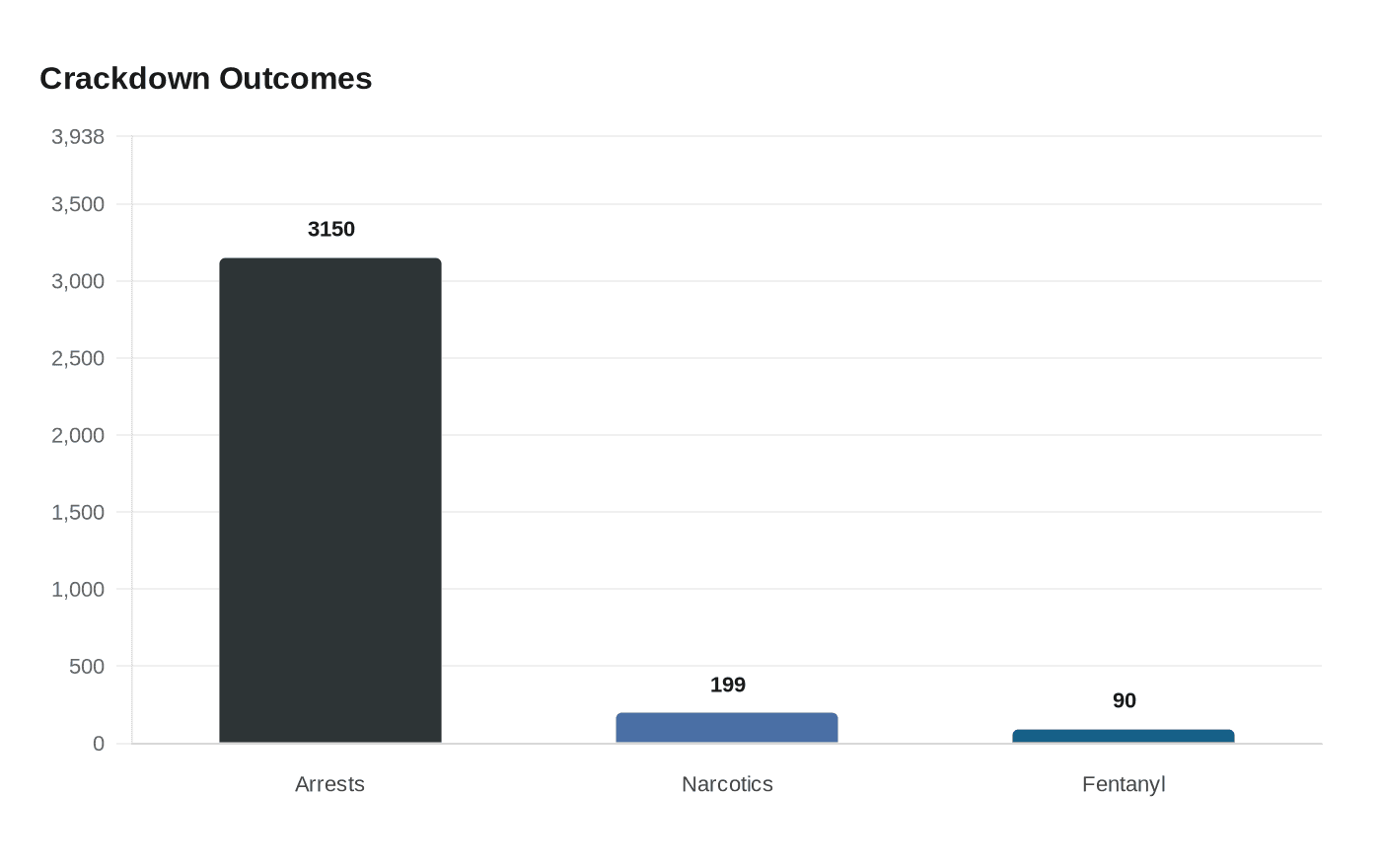
City officials have staked that question on the Drug Market Agency Coordination Center, which launched on May 29, 2023, and targeted drug dealing, public drug use and stolen-goods fencing in the Tenderloin and South of Market. In its first year, officials said, the effort led to about 3,150 arrests and the seizure of 199 kilos of narcotics, including nearly 90 kilos of fentanyl. By May 2024, officials were already saying the crackdown had produced more than 3,000 arrests and about 200 kilos of seizures over a year, a sign that the city was doubling down on enforcement.
State Assemblymember Matt Haney said he has seen a dramatic difference around Sixth and Jessie streets and in other parts of the Tenderloin and SoMa, where he believes open-air drug scenes, needles and visible dealing are no longer as common as they were. That claim matters because SoMa has become one of the city’s clearest public tests of whether enforcement, recovery and housing policy can work together in a neighborhood still shaped by sidewalk drug use and lost commercial foot traffic.
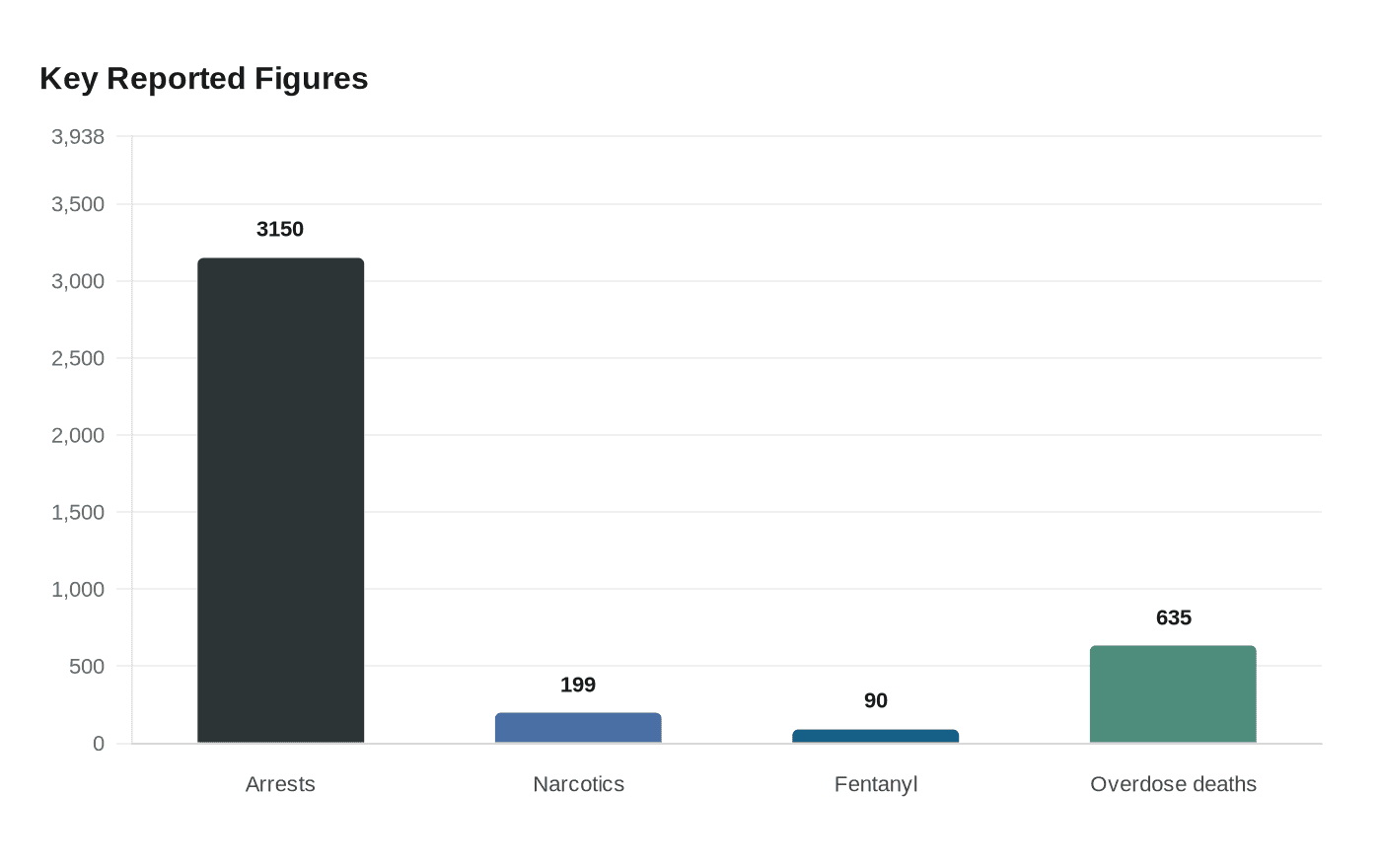
The public health stakes remain severe. The San Francisco Office of the Chief Medical Examiner reported 635 unintentional overdose deaths in 2024, and the San Francisco Chronicle’s overdose-tracking project says more than 40% of the city’s overdose deaths occur in the Tenderloin and SoMa neighborhoods alone. For residents and merchants, the debate is not abstract: it is about whether blocks feel safe enough for customers to return, whether business corridors can recover and whether the city can stop overdose deaths that too often play out in public.
The policy fight has also shifted toward housing. Supervisor Matt Dorsey has pushed drug-free housing legislation, and after Gov. Gavin Newsom vetoed AB 255, which would have allowed cities and counties to use up to 10% of state supportive-housing dollars for sober living centers, San Francisco supervisors moved toward local legislation aimed at drug-free supportive housing. Haney’s newer AB 1556, introduced in May 2026, would strengthen clean-and-sober housing and create a return-to-use process for residents who relapse. That push has support from groups like Drug Free Sidewalks and United Playaz, which drew about 100 people to a SoMa rally in April 2025. The city’s challenge now is proving that a harder line can rebuild streets, not just clear them.
Know something we missed? Have a correction or additional information?
Submit a Tip