San Francisco-linked Archblock, TrustToken, TrueCoin File Chapter 11 Amid $100M-$500M Liabilities
Archblock and affiliates filed Chapter 11 in Delaware, reporting $1M-$10M in parent assets and $100M-$500M in liabilities - TrueUSD users and creditors face legal and financial uncertainty.
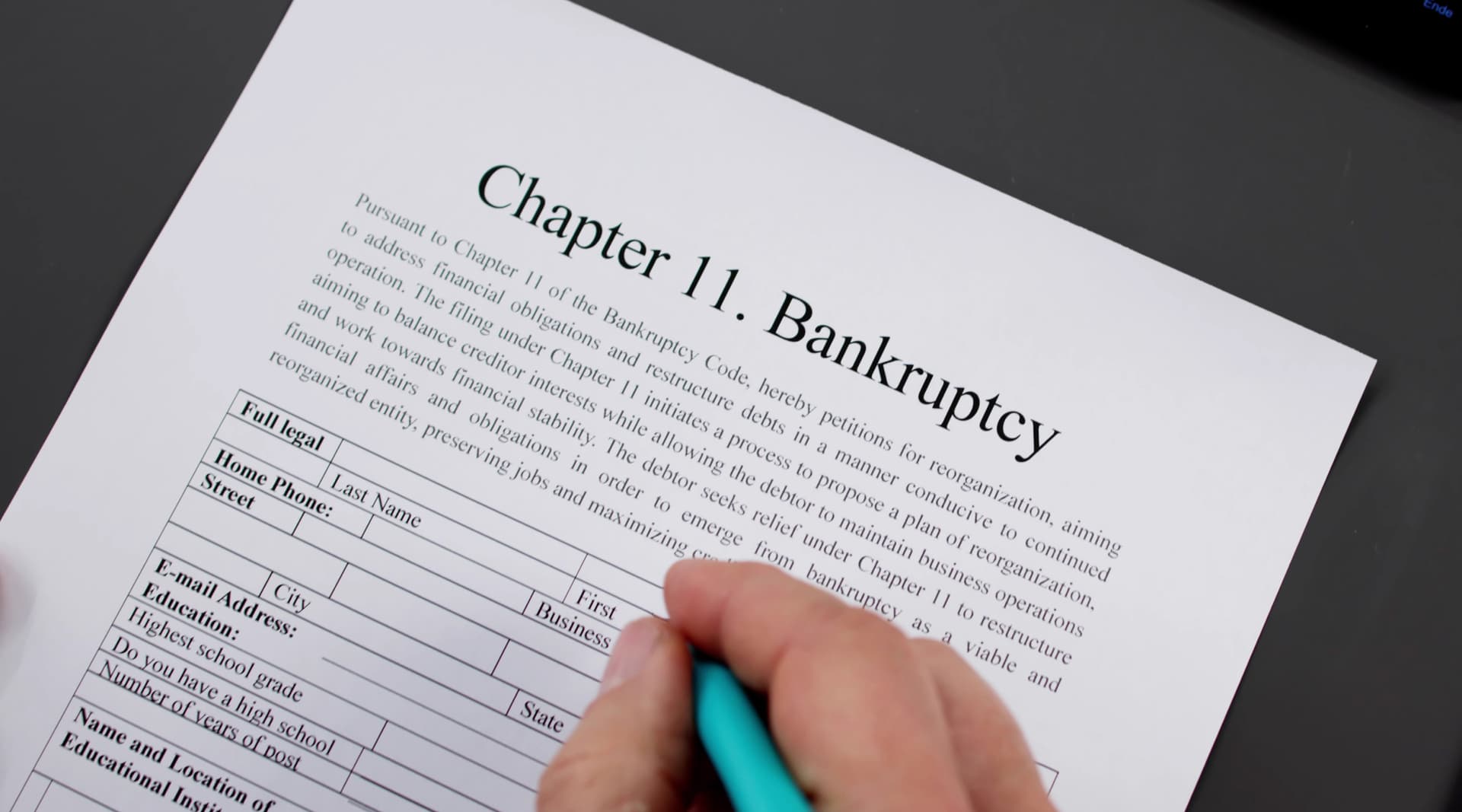
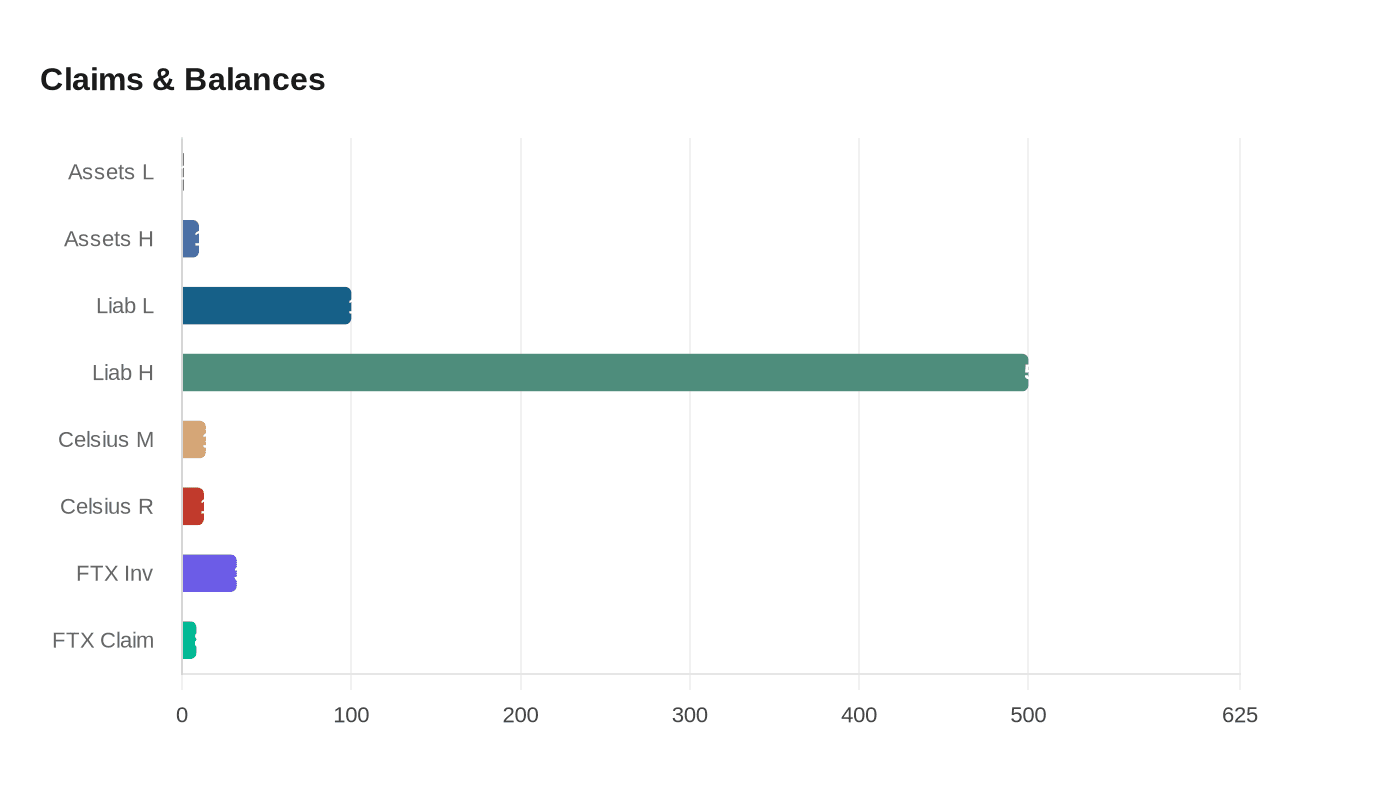
Archblock LLC, the San Francisco-linked company behind the TrueUSD stablecoin and TrueFi lending protocol, filed voluntary Chapter 11 petitions in the U.S. Bankruptcy Court for the District of Delaware on February 6, 2026. The filings cover six debtor entities, including TrustToken Inc., TrueCoin LLC and a Cayman Islands subsidiary, and list the parent company’s assets at roughly $1,000,000 to $10,000,000 against liabilities estimated at $100,000,000 to $500,000, a gap that will shape recoveries for creditors and token holders.
The filing, registered under case number 26-10152, triggers an automatic stay that pauses most lawsuits and collection efforts while the bankruptcy court sorts claims. U.S. Bankruptcy Judge Craig T. Goldblatt has been named to oversee the matter. Bondoro’s alert accompanying the petition notes there appear to be funds available for distribution to unsecured creditors, but the debtor-by-debtor schedules will determine who is paid and in what order.
Archblock’s collapse follows a string of operational and legal shocks. Third-party custodians figure prominently in the company’s account of its troubles: Archblock and its affiliates say they lost access to reserves after Prime Trust LLC entered receivership and after First Digital Trust failed, disrupting TUSD minting and liquidity. Elevenflo cited a Cayman subsidiary shareholder resolution stating the company "does not have sufficient capital to maintain operations." Hoodline described the filing as "pulling the plug on business as usual as of last Friday" and added that "the bankruptcy filing also freezes active lawsuits for now and leaves customers and other counterparties waiting on a court-driven timetable."

Litigation exposure has been significant. The Celsius Litigation Administrator sued Archblock-linked entities in the U.S. District Court for the Northern District of California on October 17, 2025, in case 25-cv-08966JD, alleging fraud, conversion and negligence. Celsius alleges it minted more than $14 million of TrueCurrency tokens - TrueAUD, TrueCAD and TrueGBP - between 2019 and 2022 and tried to redeem roughly $12.9 million during Celsius’s 2023 bankruptcy. Archblock and co-defendants answered the complaint on November 18, 2025 and discovery had commenced before the Chapter 11 filing.
Investor stakes add complexity. Elevenflo reports that FTX/Alameda invested $32.3 million in Archblock and now holds an $8.5 million claim in the bankruptcy. Other creditor claims and the detailed allocation of assets are expected to appear in the filed schedules and proofs of claim, which will determine whether token holders recover value and how secured and unsecured creditors are treated.
For San Francisco, the filing is a local reminder that the city’s crypto infrastructure, escrow partners, custodians and startups, remains interconnected and fragile. TrueUSD users, local fintech businesses that integrated TUSD rails, and smaller creditors face an uncertain timetable as the bankruptcy process unfolds. Watch for upcoming motions on debtor-in-possession financing, cash-collateral use, and any proposed sale or reorganization plan; those filings will set deadlines for creditor claims and shape the likely recoveries.
What comes next is a methodical court process: verification of the six-debtor list, per-debtor schedules that reconcile disputed asset figures, and creditor claims that will clarify the roles of FTX/Alameda, Celsius and custodial partners. For local holders of TUSD and other counterparties, the bankruptcy stay provides temporary protection but also means months of legal process before outcomes become clear.
Know something we missed? Have a correction or additional information?
Submit a Tip