San Francisco Merchants Sue PG&E Over December Blackout, Seek Greater Compensation
Several San Francisco merchants filed suit against PG&E after a mid-December blackout that hit roughly 130,000 customers; plaintiffs say automatic $2,500 business credits fail to cover holiday losses.
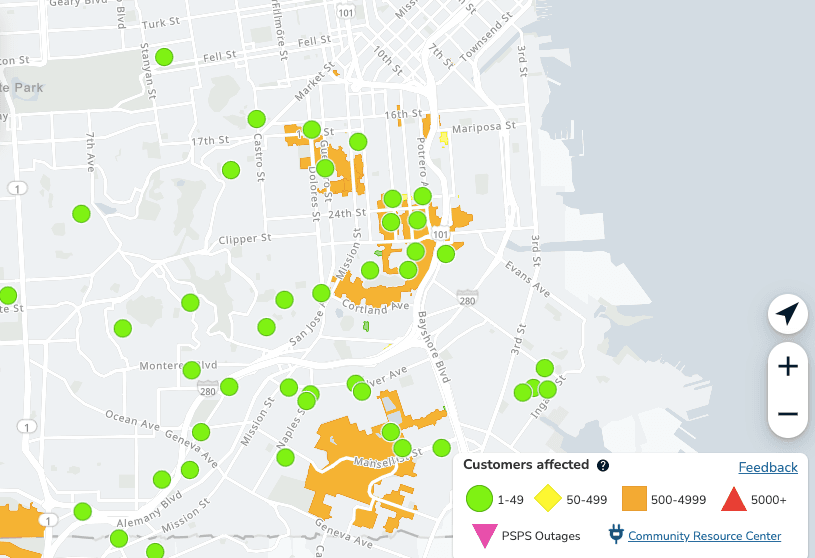
Several San Francisco merchants filed suit against Pacific Gas and Electric Co. on Jan. 20, 2026, seeking greater compensation after a mid-December outage left roughly 130,000 city customers without power over a critical holiday weekend. The complaint challenges the utility's standard relief, arguing the automatic credits do not make whole businesses that lost peak-season revenues, spoiled inventory, and payroll opportunities.
The outage affected commercial corridors across the city during a period when retailers and restaurants typically earn a large share of annual sales. PG&E has issued automatic credits of $2,500 for affected businesses and $200 for residential customers; plaintiffs say those amounts are inadequate given the scale and timing of the disruption. The suit asks the court to require stronger remedies and broader compensation than the utility's standard credits.
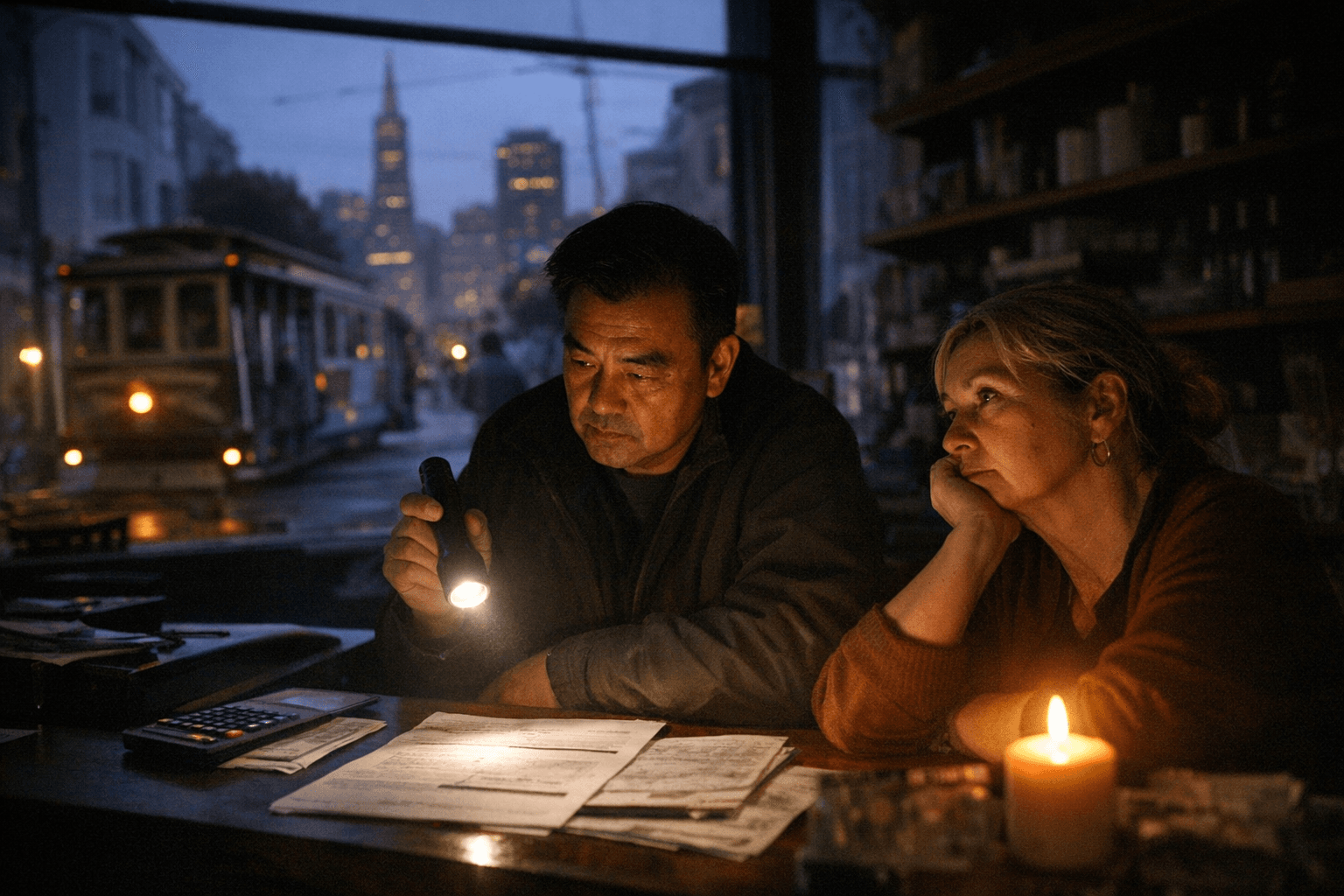
Local merchants described sharp, immediate impacts on staffing and perishable goods, and the lawsuit frames the credits as a blunt instrument that fails to account for variable losses across sectors. Small restaurants and independent retailers operate on thin margins, and a multi-day loss during holiday weekends can erase weeks of profit. The complaint seeks to quantify those losses and to force PG&E to provide remedies that reflect actual business damages rather than flat-rate credits.
The case raises questions about the balance between utility outage protocols and customer restitution. For residents, the dispute centers on whether a uniform $200 credit adequately addresses household disruption and spoilage of food and medicine. For the city economy, plaintiffs argue that inadequate compensation shifts the risk of service failure onto small businesses that are already vulnerable to rising rents, labor costs, and changing consumer patterns.
Beyond individual claims, the lawsuit could have wider market implications. A judicial finding that flat credits are insufficient could increase the utility's financial exposure and prompt changes in how compensation is calculated after large outages. That outcome would also influence how businesses price risk, how landlords and insurers allocate responsibility, and how regulators assess utility preparedness and accountability going forward.
San Francisco consumers and business owners should monitor filings and notices related to the case and review any eligibility information PG&E provides for outage credits. The litigation will likely move through initial pleadings, discovery, and potential settlement talks in the coming months. For now, the suit sharpens local debate over who bears the economic cost when essential infrastructure falters and tests whether standard credit offerings are an adequate remedy for concentrated, high-impact service failures.
Know something we missed? Have a correction or additional information?
Submit a Tip