San Francisco overdose deaths decline, but crisis remains visible on streets
People living with addiction and homelessness were still visible Friday on Mission Street and Polk Street, even as San Francisco’s overdose deaths kept falling. June still brought 40 fatal overdoses.
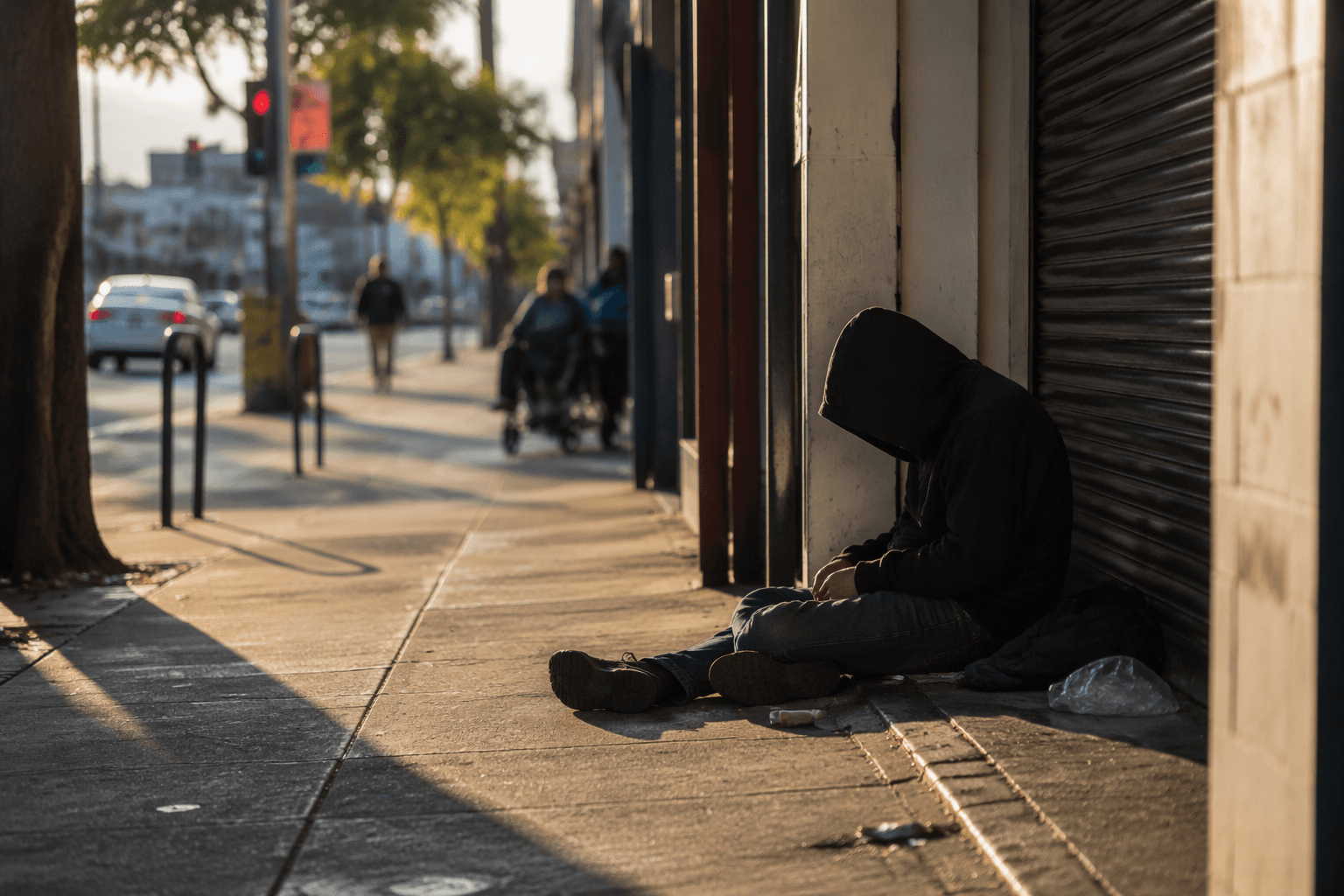
People living with addiction and homelessness were still visible Friday, July 17, along Mission Street and Polk Street, even as San Francisco’s overdose deaths continued to fall. The decline has given the city a rare sign of progress after years of fentanyl-fueled loss, but the crisis remains plain on the block level. Outreach workers, merchants and residents are still living with the consequences street by street.
The Department of Public Health said the first half of 2026 had fewer overdose deaths than the first half of 2025, and public health officials have linked the shift to national patterns as well as San Francisco’s expanded treatment, drug monitoring and harm-reduction efforts. The city’s overdose prevention plan, released in December 2024, set a goal of cutting overdoses by 15% by 2025 and was meant to promote wellness and recovery for people with substance use disorders.
San Francisco still emerged from one of its deadliest stretches. City officials said 2025 ended with 621 overdose deaths, down from an all-time high of 806 in 2023, including 653 fentanyl deaths. The Office of the Chief Medical Examiner’s June 2026 report showed 40 accidental overdose deaths in June, bringing the year-to-date total to 262. Twenty-seven of those June deaths involved fentanyl, after 37 overdose deaths in May, 25 tied to fentanyl.

The city has leaned hard on overdose reversal to keep people alive long enough to reach care. In 2020, city services reversed more than 4,300 overdoses with naloxone, underscoring how much San Francisco’s response has depended on rapid intervention in parks, alleyways and doorways where overdoses happen without warning. DataSF continues to track preliminary unintentional fatal drug overdoses by month, giving officials a near-real-time picture of whether the improvement is holding.
That street-level visibility is why the decline still reads as fragile rather than fixed. Harm-reduction services are more visible, and outreach teams remain active in neighborhoods where people are using outdoors, sleeping outside and cycling through shelters and treatment. A sustained drop could ease pressure on emergency rooms, street-response teams and families, but San Francisco’s numbers can turn quickly if the drug supply changes or if treatment and outreach fall behind.
This article was produced by Prism’s automated news system from verified source data, official records, and press releases, then run through automated quality and moderation checks before publishing. The system is built and supervised by the people who set the standards it runs under. Read our full AI policy.
Did this article answer your question?