UCSF surgeons face higher infertility risks, UC fertility policies questioned
UCSF surgeons are confronting a documented fertility risk, while UC’s benefits fight could make freezing eggs and starting families harder for trainees.
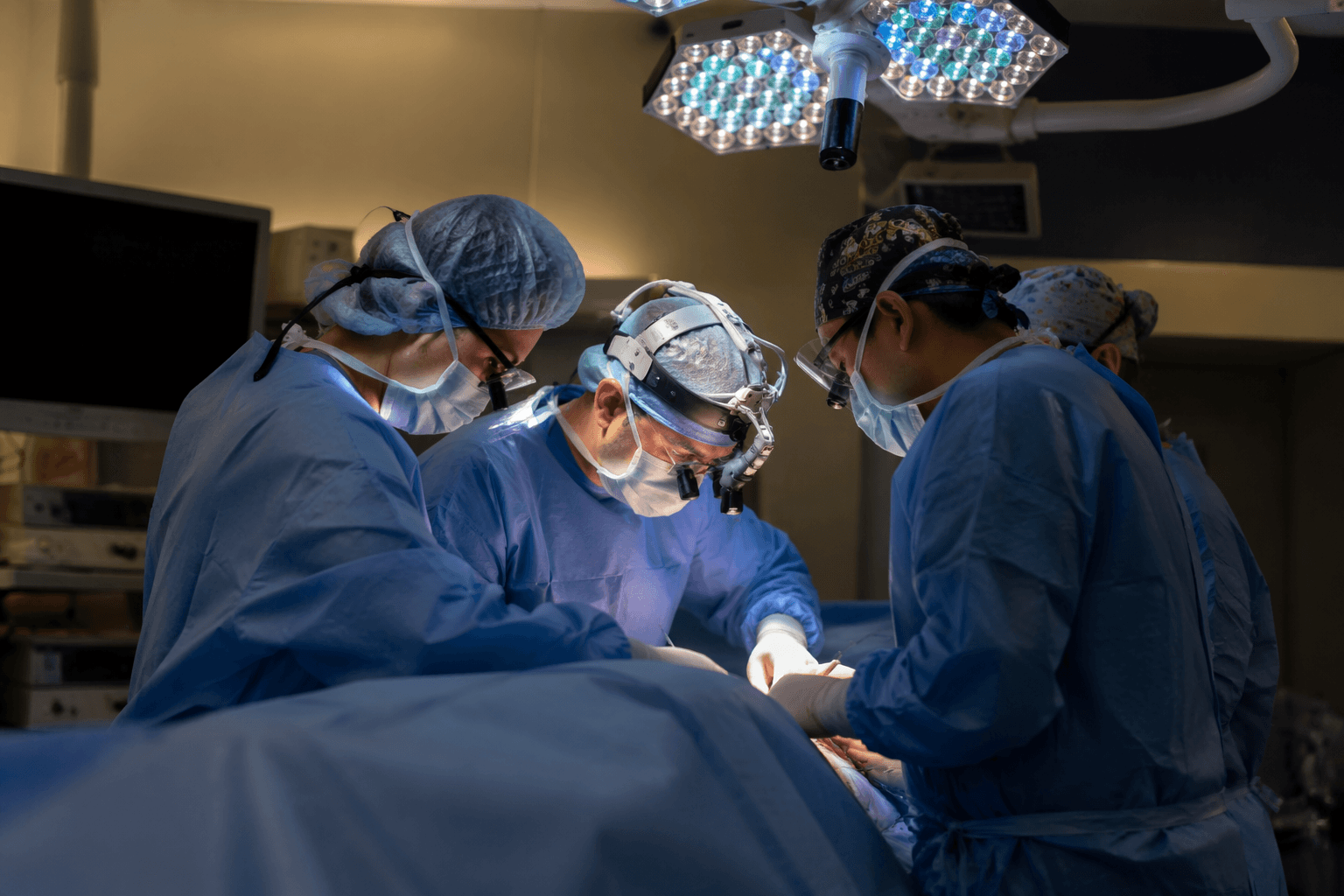
UCSF trains surgeons to care for reproductive health, yet the career path itself carries a measurable fertility cost. For women in surgery, the pressures of long training, late childbearing, sleep deprivation and punishing schedules are not just personal hurdles, they are part of a workforce problem now colliding with University of California benefits policy.
Why surgery can make family formation harder
A national JAMA Surgery survey of 850 surgeons found that female surgeons were more likely than sociodemographically similar nonsurgeon partners of male surgeons to delay pregnancy because of training, use assisted reproductive technology and experience pregnancy complications. The same study found that 42.0% of surveyed female surgeons reported a pregnancy loss, more than twice the rate seen in the general population.
The occupational risk did not stop at delay and treatment use. Surgeons who operated more than 12 hours per week during pregnancy had an increased risk of pregnancy complications, which makes the structure of surgical training and practice central to the conversation. A 2020 JAMA Surgery review reached a similar conclusion, saying higher infertility and pregnancy-complication rates had been found for female surgeons compared with the general population and that operating-room hazards should be identified and controlled.
For UCSF, that matters beyond one specialty. The institution is training many of the doctors who will deliver care across San Francisco County, including in family planning, maternal health and high-acuity surgery. If the profession itself pushes women to delay pregnancy, rely on fertility treatment or absorb more pregnancy complications, that shapes who enters surgery, who stays, and how much burnout the system is willing to tolerate before it starts losing talent.
What UC covers now
UC’s resident-and-fellow family-forming program currently offers up to $30,000 through Carrot for fertility and family-forming services. That benefit can help with egg, sperm and embryo preservation, as well as IVF, but UC also says some services are treated as taxable imputed income if they are not qualified medical expenses.
The university’s non-Medicare medical plans also cover a broader set of infertility services. Those plans include infertility diagnosis and treatment, prescription infertility drugs, artificial insemination, GIFT, ZIFT, IVF, and fertility preservation or storage of embryos when it is part of a covered IVF cycle or tied to certain medical treatments that may cause iatrogenic infertility.
The exclusions matter as much as the covered services. UC’s infertility fact sheet says elective semen or egg procurement and storage is not covered unless it is linked to covered IVF or medically necessary treatment. That is a sharp line for trainees who may want to freeze eggs before fertility declines but do not yet meet the plan’s medical criteria.
- Covered under UC non-Medicare plans: infertility diagnosis, infertility treatment, prescription fertility drugs, artificial insemination, GIFT, ZIFT, IVF.
- Covered in limited cases: fertility preservation and embryo storage when tied to a covered IVF cycle or medically necessary treatment that could cause iatrogenic infertility.
- Not covered on its own: elective semen or egg procurement and storage.
Why residents and fellows are pushing back
The benefits fight has widened well beyond fertility. Recent resident protest coverage says UC has proposed replacing the current $30,000 lifetime fertility reimbursement and a $3,600 yearly meal stipend with a single $5,100 annual allotment starting in 2027. That proposal has prompted rallies, a petition and strong pushback from trainees represented by UAW Local 4811.
UC’s own April 24, 2026 bargaining update places fertility coverage inside a broader labor package. The university proposed salary increases of 5% in 2026, 4.5% in 2027, 4% in 2028 and 3.5% in 2029, for total compounded wage growth of 18.1% over four years. In other words, fertility help is not being debated in isolation; it is being negotiated alongside pay, meal support and the overall cost of training in one of the country’s most expensive regions.
That makes the policy dispute especially relevant in San Francisco, where UCSF and UCSF Health are among the city’s signature institutions. When residents and fellows are deciding whether they can afford fertility preservation, they are also deciding whether to build their careers, families and lives here. If the system makes that choice harder, the consequences reach into recruitment, retention and burnout, and eventually into the care San Francisco patients receive.
What this means inside a hospital system
The core tension is simple: a health system can not credibly recruit surgeons, especially women surgeons, while ignoring the reproductive realities of the job. The evidence from JAMA Surgery shows the risk is real, and UC’s own benefits structure shows how quickly support can become partial, taxable or excluded at the margins where trainees need it most.
That is why the fight over fertility coverage is more than a personnel issue. At UCSF, it is a test of whether a world-class medical system will treat family formation as a legitimate part of workforce health, or leave trainees to shoulder the cost of a career that already asks them to delay everything else.
This article was produced by Prism’s automated news system from verified source data, official records, and press releases, then run through automated quality and moderation checks before publishing. The system is built and supervised by the people who set the standards it runs under. Read our full AI policy.
Did this article answer your question?