San Francisco public defenders wear black to protest crushing caseloads
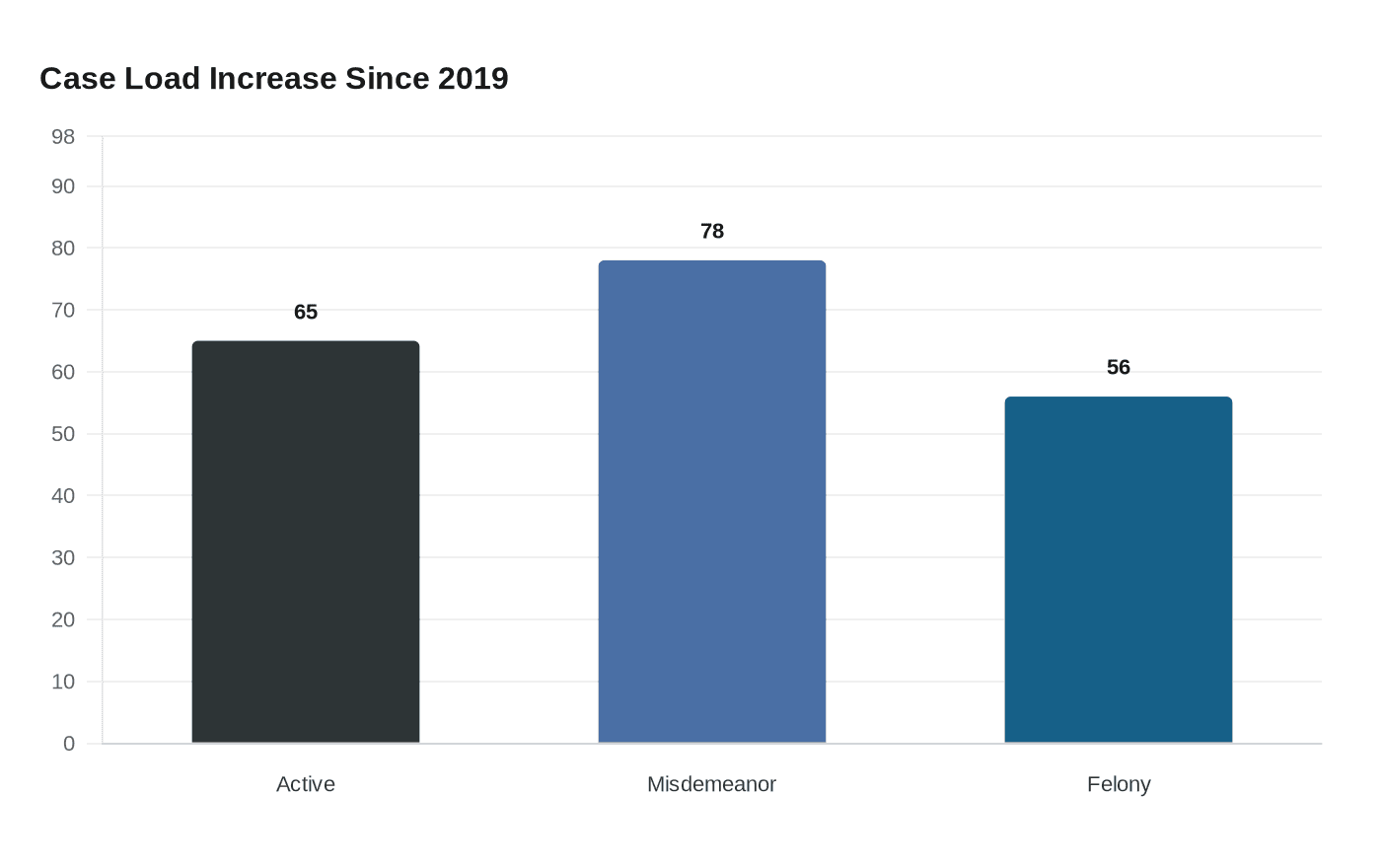
Black shirts at the Hall of Justice signaled a deeper crisis: San Francisco’s public defenders said their caseloads have jumped 65% since 2019.
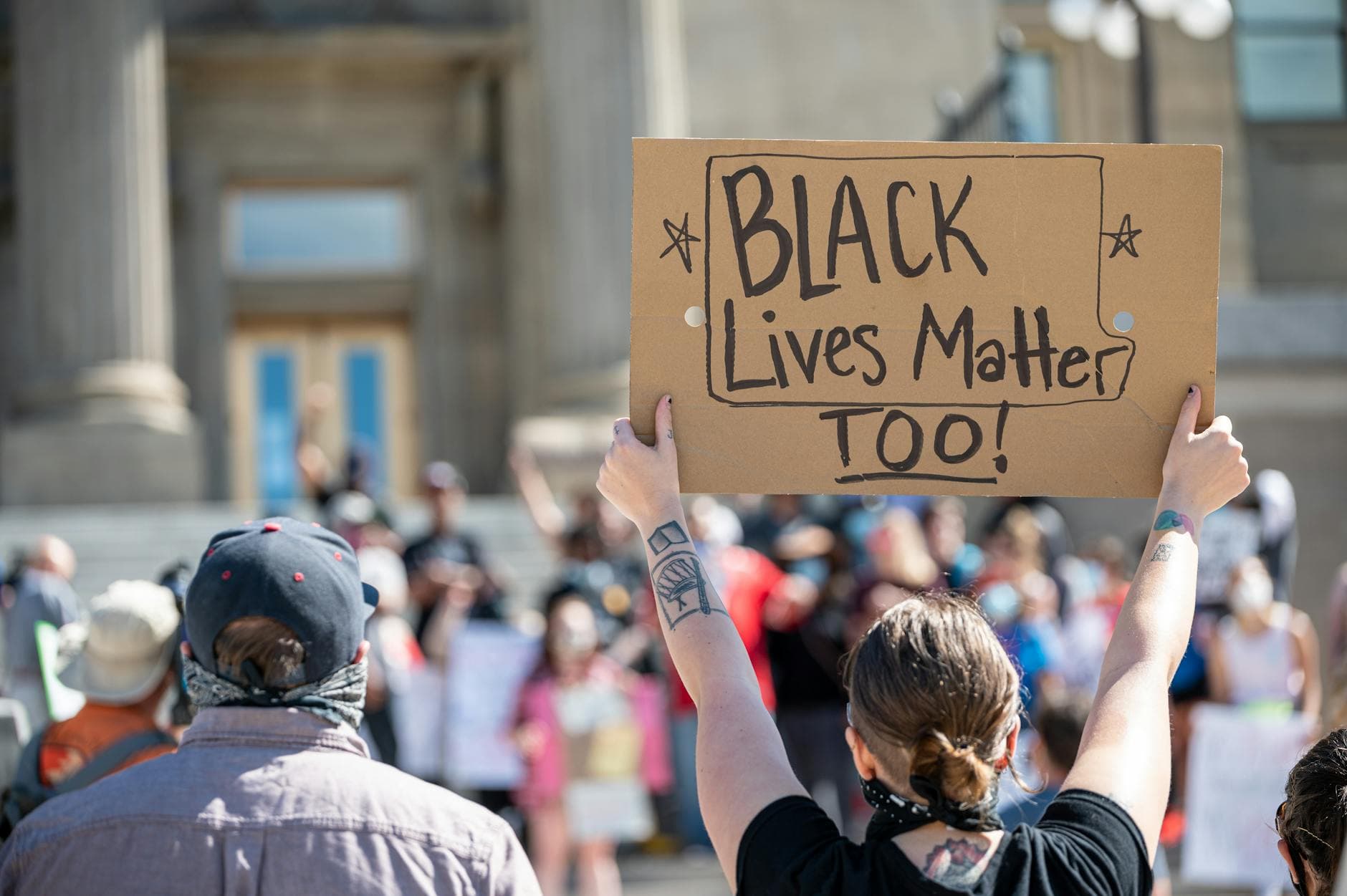
Black clothing turned the San Francisco Public Defender’s Office into a quiet protest line at the Hall of Justice, where attorneys signaled that the city’s criminal courts are straining under workloads they say have become impossible to absorb. The office joined a national action on Thursday, April 23, 2026, asking supporters of the constitutional right to counsel to wear black and stand with public defenders.
The message landed in a city already locked in a fight over how much work the justice system can push onto one of its most burdened offices. Public Defender Mano Raju said active cases in San Francisco have risen 65% since 2019. In court, he said active misdemeanor cases are up 78% and felony cases 56% over the same period. His office says the growth is being driven in part by mischarged or overcharged cases and by expanding surveillance evidence that must be reviewed before cases can move forward.
That pressure has already turned into a direct courtroom clash. The office began declining some new cases one day a week in May 2025. San Francisco Superior Court Judge Harry Dorfman ordered Raju in January 2026 to stop rejecting cases, then found him in contempt on March 24 and 25 and imposed $26,000 in fines, or $1,000 for each of 26 refusals between January 12 and February 10. Raju said he intends to appeal and will continue declining some new cases one day a week.
Raju’s lawyer, Kory DeClark, argued that fining the office only deepens the crisis because the underlying problem is systemic underfunding, not misconduct. Dorfman said he had received 45 letters from legal experts urging him to reverse course, but he was not persuaded. The public defender’s office also says California is one of the only states that does not provide guaranteed, ongoing state funding for trial-level public defense.
District Attorney Brooke Jenkins has taken the opposite view, saying Raju’s refusals disrupt the justice system and could force the release of violent defendants if cases cannot be prosecuted. Raju counters that the burden is so severe that every member of his team could cut their workload in half and still have more than a full-time job. Public defenders and staff from across California showed up in court to support him, underscoring that the dispute has become a broader warning about what happens when the right to counsel runs into a system with more cases than lawyers can handle.
This article was produced by Prism’s automated news system from verified source data, official records, and press releases, then run through automated quality and moderation checks before publishing. The system is built and supervised by the people who set the standards it runs under. Read our full AI policy.
Did this article answer your question?