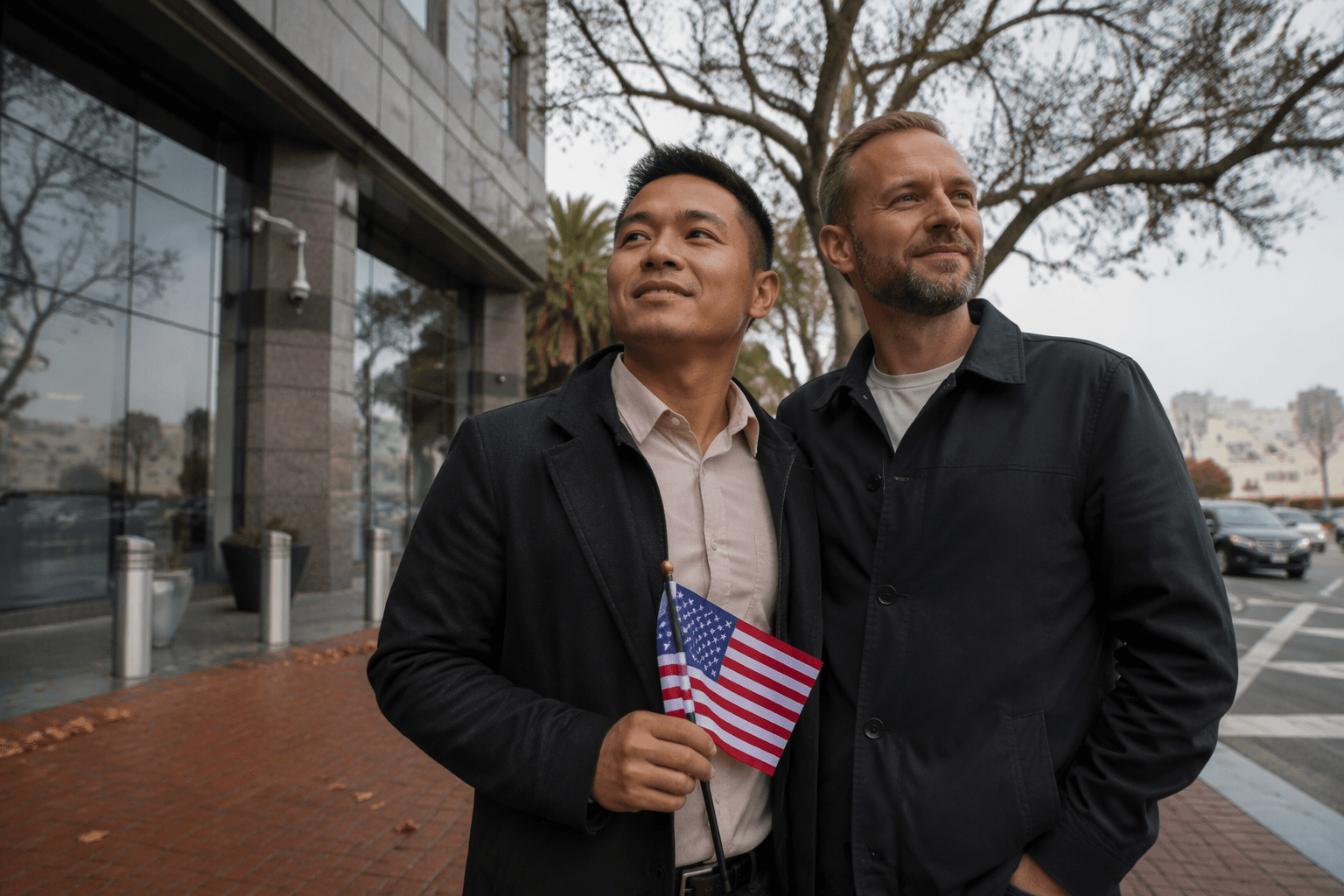
San Francisco reentry effort tackles homeownership barriers for formerly incarcerated residents
San Francisco is trying to make homeownership part of reentry, but soaring prices, mortgage hurdles and strict buyer rules make the path narrow.
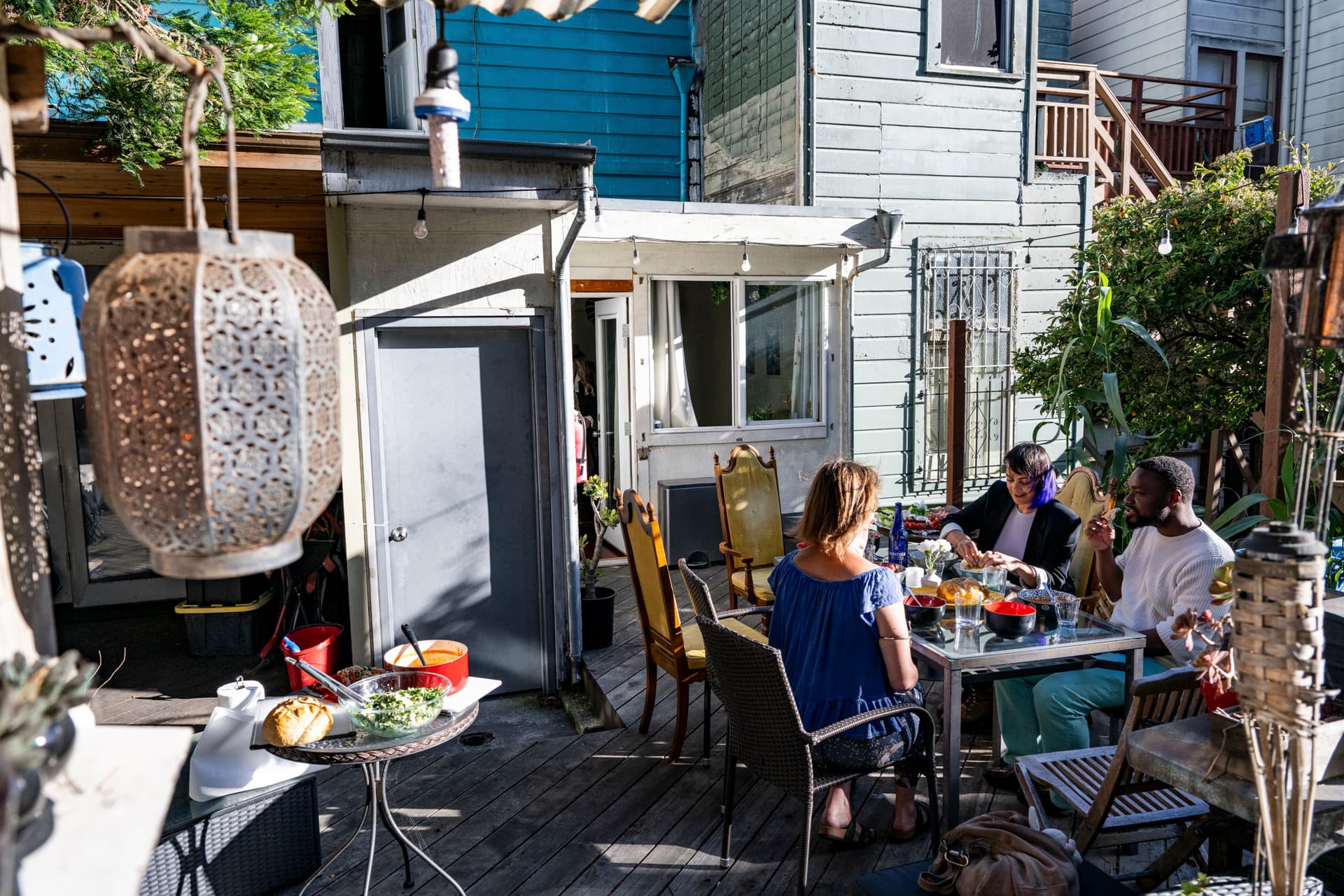
A 2020 Fannie Mae analysis found San Francisco’s median condo price reached $1.25 million in 2018, underscoring how hard it is for formerly incarcerated residents to become homeowners. The city and state are building reentry housing systems, but the route from jail release to a deed still depends on income, credit, savings and access to a scarce supply of affordable homes.
Why housing sits at the center of reentry
The San Francisco Reentry Council, which coordinates local efforts for adults leaving San Francisco County Jail, juvenile justice placements, California Department of Corrections and Rehabilitation facilities and U.S. federal prisons, called housing a core reentry issue in its 2022 report, Housing Needs of Justice Involved Adults in San Francisco. Reentry SF, the city’s reentry initiative, and the Mayor’s Office of Housing and Community Development’s Below Market Rate ownership programs also place housing inside the city’s reentry planning rather than treating it as an afterthought.
San Francisco’s housing system is built around scarcity. The city’s 2024-2025 Action Plan and the Housing Authority of the City and County of San Francisco’s 2024 Annual Plan continue investing in housing and homelessness programs, but those investments are operating inside one of the most competitive ownership markets in the country. The current squeeze is tied to the AI boom, with wealthy AI workers helping send San Francisco house prices soaring.
The scale of the challenge is visible in older market data that still captures the city’s entry price. A 2020 Fannie Mae analysis found that level would have required nearly $6,000 a month in mortgage payments even after a $250,000 down payment. That is before the added complications of criminal records, unstable employment histories and limited savings after incarceration.
The financing barriers are real, not symbolic
For a formerly incarcerated San Franciscan, the biggest obstacle is not just finding a unit. It is qualifying for it. San Francisco’s for-sale affordable housing listings require buyers to meet income requirements, complete homebuyer education, get pre-approved for a mortgage loan and not have owned residential property in the past three years. Those are standard rules in the city’s affordable ownership pipeline, but they are especially difficult for people rebuilding after prison, where recent income can be irregular and credit histories can be damaged or thin.
The city’s own housing office has also built down payment help into the system. The San Francisco Mayor’s Office of Housing and Community Development lists the CalHome Mortgage Assistance Loan Program and the BMR-DALP Downpayment Assistance Loan Program as tools for helping buyers bridge the gap. Even subsidized homes can still require borrowers to bring cash, documentation and a clean-enough financial profile to the closing table.
Even a modest ownership opportunity in San Francisco can require a mortgage lender willing to underwrite someone just out of custody, a buyer education certificate, enough household income to satisfy the program’s limits and enough savings to cover closing costs and reserves.
What state and city policy is trying to do
California expanded the policy backdrop on Oct. 31, 2024, when it launched a $16 million Reentry Housing Pilot Project using federal funds to create long-term supportive housing and support for people exiting incarceration. The state launched the effort to improve public safety, reduce homelessness and reduce recidivism. The strongest public-sector response so far is still supportive housing, not ownership.
In San Francisco, supportive housing can absorb people who are leaving jail with no savings, no current landlord and no immediate credit access. Homeownership, by contrast, asks them to clear a much higher bar at a moment when many are still stabilizing work, treatment and family life.
The local need is bigger than the housing supply
San Francisco Sheriff’s Department data show that at least 35% of people booked into San Francisco jail identify as homeless. A large share of people moving through the county jail system are starting from a place of housing instability, which makes it harder to imagine homeownership as a near-term reentry tool for most of them.
The issue also has racial implications that extend beyond San Francisco. Harvard’s Joint Center for Housing Studies found criminal justice contact contributes to the Black-white homeownership gap.
Bay Area models point to lower-barrier paths
Two Bay Area efforts show what a more reachable housing strategy can look like. All Home’s Homecoming Project provides subsidies to homeowners who rent a room affordably for six months to someone returning from prison. Impact Justice’s Homecoming Project is built around safe, stable housing before jobs, health problems or education.
Those models do not solve San Francisco’s ownership problem, but they do reveal where the near-term leverage is. A room in a stable home is easier to finance than a condo in a city where prices keep climbing, and it can be deployed faster than a home purchase in a market with strict underwriting and limited inventory.
This article was produced by Prism’s automated news system from verified source data, official records, and press releases, then run through automated quality and moderation checks before publishing. The system is built and supervised by the people who set the standards it runs under. Read our full AI policy.
Did this article answer your question?