San Francisco residents say Recology trash bins are too small, worsening sidewalk messes
A 16-gallon trash cart is now San Francisco’s standard landfill bin, and residents say it is too small for diapers, bulky bags and the sidewalks that end up catching the overflow.
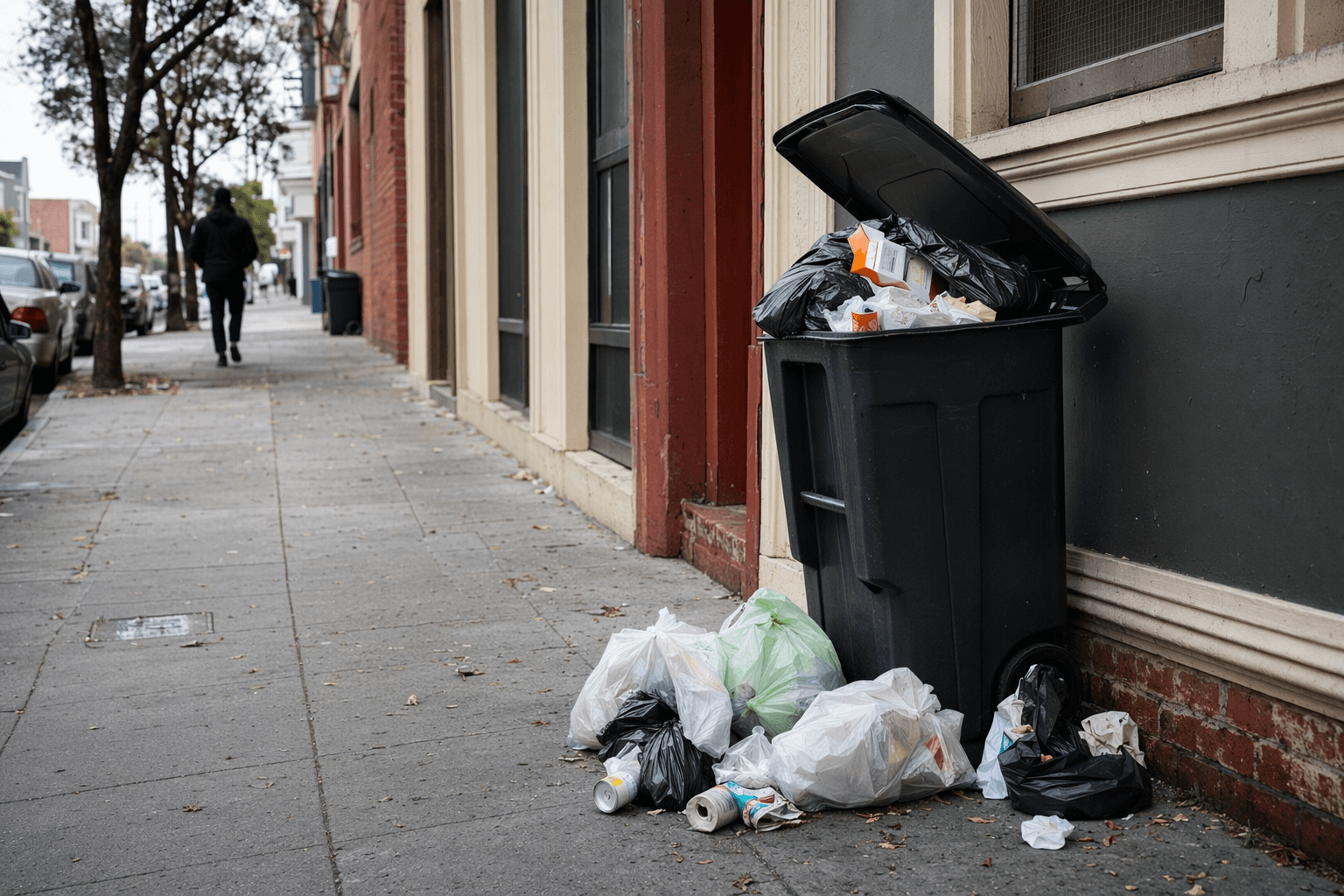
On San Francisco sidewalks, the conflict is easy to see: a household trash cart that measures just 23.75 inches long, 18.50 inches wide and 36.50 inches high, and a city still left to clean up what will not fit inside it. Residents say Recology’s smallest standard landfill bin is forcing everyday garbage, including bags that should stay private, into public view and onto streets already strained by overflow and missed pickups.
Recology’s standard residential service in San Francisco includes a 32-gallon organics bin, a 64-gallon recycling bin and a 16-gallon landfill bin. The company says customers can customize compost and recycling container sizes if the standard setup does not fit a household, but it also says the 20-gallon trash cart is being discontinued. That means customers who have 20-gallon trash service now receive the 16-gallon trash rate and, if their cart is replaced, a 16-gallon container.
The financial burden has also gone up. Recology says monthly collection rates increased by 12.24% effective October 1, 2025. The company lists a base charge of $19.75 per dwelling unit and an additional $8.25 charge for each 16-gallon trash bin. For households in dense apartment buildings, small flats and homes with limited storage, the combination of smaller carts and higher rates has sharpened a complaint that is becoming harder to ignore: residents are paying more for a system that still leaves waste outside.
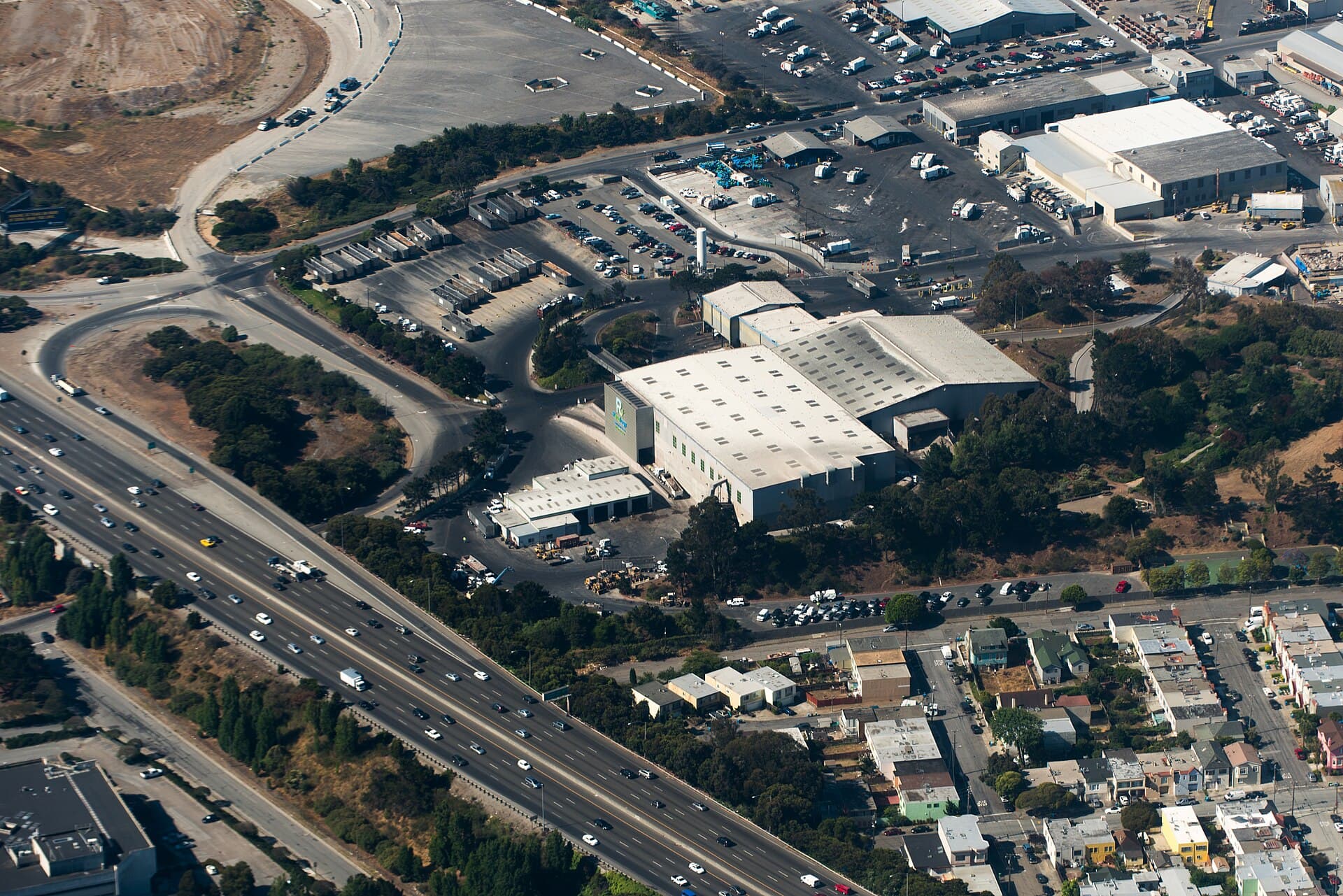
San Francisco’s Environment Department says the Mandatory Recycling and Composting Ordinance requires residents and businesses to separate recyclables, compostables and trash, and the city ties that system to its zero-waste goals. The recovery-rate dashboard says the Department of the Environment works with Recology to serve residents and small businesses, including those with limited space or access to bins. But the city’s own street-cleaning data show how much work remains. San Francisco Public Works says it removes 24,000 tons of litter and debris from city streets each year and mechanically sweeps about 90% of city streets.
That gap between policy and daily life is now at the center of the complaint. San Francisco’s zero-waste model depends on sorting at the curb, yet the city’s sidewalks still absorb what the system cannot easily contain. For residents in space-constrained homes, the smallest trash cart has become a symbol of a larger question about who is paying for cleanliness, and who is left to live with the mess.
This article was produced by Prism’s automated news system from verified source data, official records, and press releases, then run through automated quality and moderation checks before publishing. The system is built and supervised by the people who set the standards it runs under. Read our full AI policy.
Know something we missed? Have a correction or additional information?
Submit a Tip