San Francisco Sees Lowest Homicides Since 1954 in 2025
An analysis of police and FBI data found San Francisco recorded 28 homicides in 2025, the fewest killings in the city since 1954. The decline mirrors drops in neighboring cities and a broader national trend, but officials and experts warn that the gains are fragile and that isolated killings continued into early 2026.
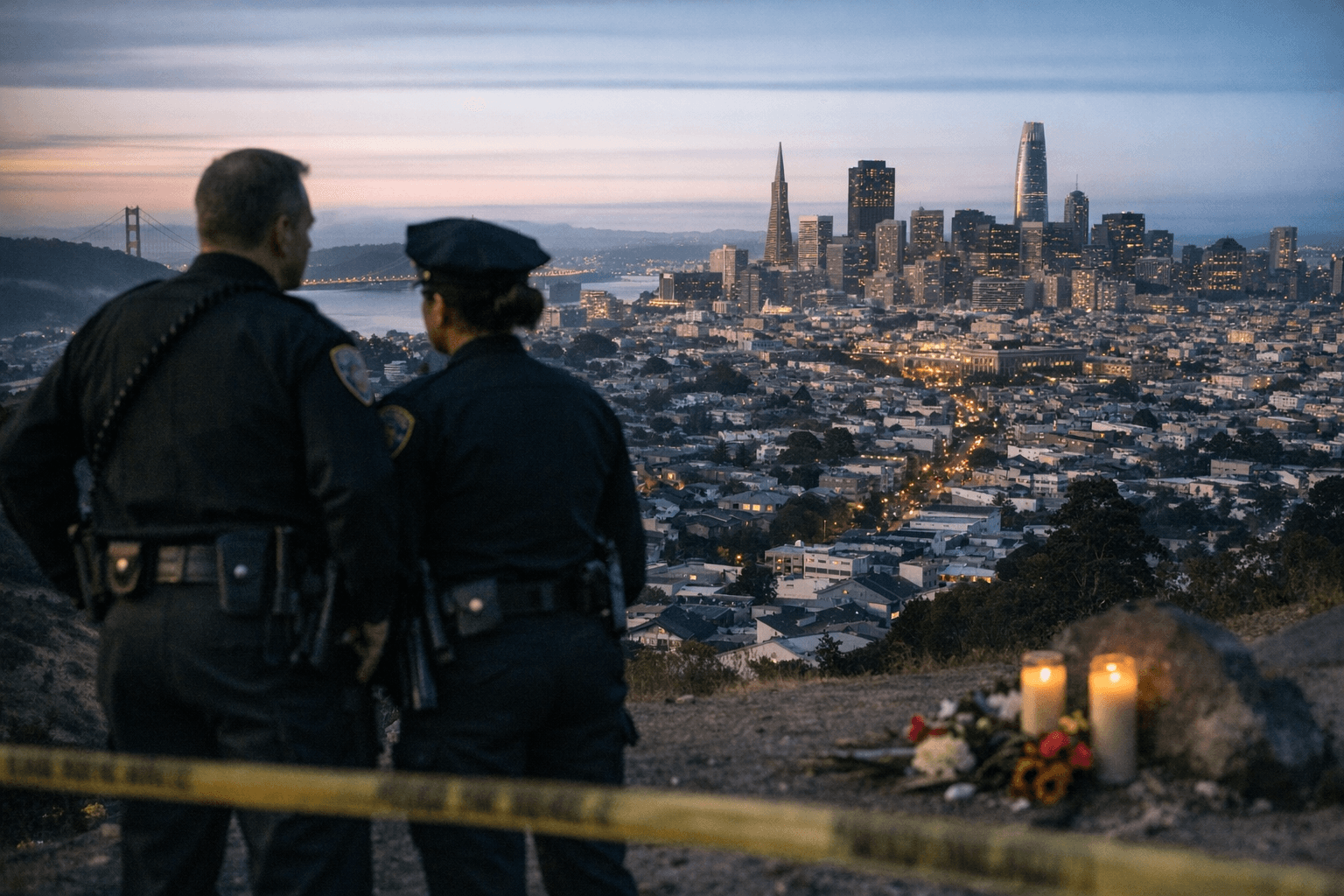
San Francisco recorded 28 homicides in 2025, a level not seen in the city since 1954, according to an analysis of police and FBI data. The drop came alongside substantial declines in neighboring Bay Area cities: Oakland reported 57 homicides, its lowest total since 1967, and San Jose recorded 26, the fewest since 2010. Analysts noted these local reductions were part of a wider national decline in homicides last year.
City and regional leaders pointed to coordinated efforts among municipal leadership, police agencies and community violence-reduction programs as key contributors to the decrease. The collaboration included targeted enforcement, data-driven policing and expanded outreach to at-risk residents, according to officials. Law enforcement and public health actors also described investments in prevention and alternatives to incarceration as elements of the broader strategy that helped reduce deadly violence.
Despite the overall improvement, the year was not free of high-profile homicides that continued to draw public concern. Several widely reported killings underscored enduring pockets of violence and demonstrated that a low annual total did not eliminate the risk of shocking, isolated incidents. Early 2026, in the weeks after the year closed, still showed isolated homicides in nearby cities, reinforcing warnings from experts that shifts in violent crime can be multicausal and volatile.
For San Francisco residents, the numbers offer a contrasting mix of relief and caution. Lower homicide counts can translate to quieter neighborhoods and reduced trauma for those directly affected, but public perception of safety often depends on the visibility of violent incidents and the consistency of community supports. City services that focus on violence interruption, youth programs and mental health access may see renewed attention from policymakers seeking to sustain the decline.
The regional pattern also has practical implications for intercity cooperation and resource allocation. With Oakland and San Jose registering sizable drops, planners and law enforcement leaders face choices about where to concentrate funding and how to export successful community-based practices without unevenly shifting risk. Federal crime data playing a role in national policy debates may influence grantmaking and technical assistance for local programs.
Officials and analysts alike emphasized the provisional nature of the gains. Maintaining lower homicide totals will require continued coordination between police, city government and community organizations, steady funding for prevention work, and attention to underlying factors that shape violence. For San Francisco residents, the 2025 results provide a hopeful marker while reminding the city that progress in public safety demands sustained, community-rooted effort.
This article was produced by Prism’s automated news system from verified source data, official records, and press releases, then run through automated quality and moderation checks before publishing. The system is built and supervised by the people who set the standards it runs under. Read our full AI policy.
Did this article answer your question?