San Francisco Startup Checklist: Permits, Registrations, Financing and Local Resources
A practical checklist for San Francisco startups: register your business, secure permits, sort taxes and insurance, and tap local financing and technical help to avoid costly delays.
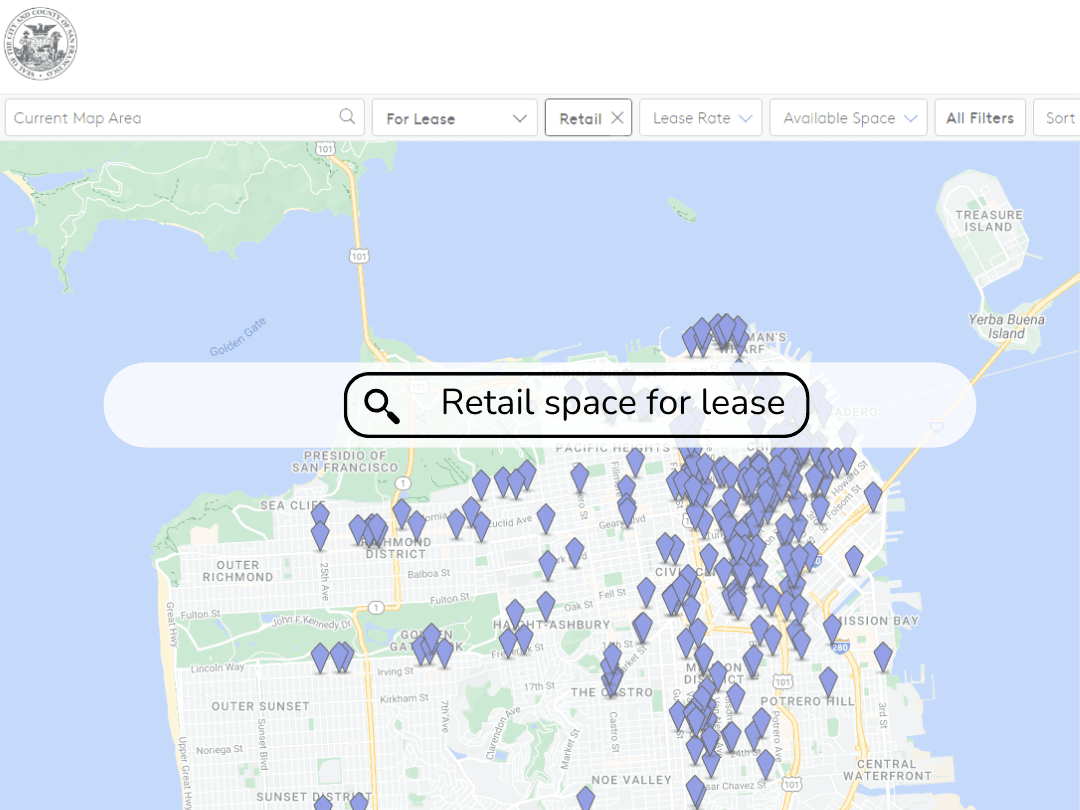
Starting a small business in San Francisco requires several concrete administrative steps that directly affect how quickly a storefront or service can open and generate revenue. Entrepreneurs must choose a legal structure, register with state and federal agencies, obtain city permits specific to their industry, and secure financing and technical assistance to meet local rules that often exceed state requirements.
Begin with a written business plan that outlines product or service, target market, pricing and basic financial projections. Choose a legal structure - sole proprietorship, partnership, limited liability company or corporation - and register LLCs and corporations with the California Secretary of State at sos.ca.gov. If you plan to hire, obtain an Employer Identification Number from the IRS at irs.gov. Businesses that sell taxable goods must register with the California Department of Tax and Fee Administration for sales tax accounts.
Most businesses operating in San Francisco must obtain a Business Registration Certificate from the Office of the Treasurer & Tax Collector; verify specific requirements on the San Francisco Business Portal at businessportal.sfgov.org. Employers should register payroll tax accounts and set up withholdings to comply with local payroll taxes and ordinances. San Francisco’s minimum wage, paid sick leave and family leave rules can exceed California baseline rules, so factor local labor costs and compliance obligations into hiring plans.
Permits and inspections are sector specific. Food businesses must obtain Environmental Health permits and pass plan review and inspections through the San Francisco Department of Public Health, available at sfdph.org. Retail and brick-and-mortar operators should confirm zoning and permitted uses with the San Francisco Planning Department at sfplanning.org and secure Conditional Use Authorization or tenant improvement permits when changing use, signage or outdoor dining. The Department of Building Inspection issues building, electrical and plumbing permits. Sidewalk café and vending permits are required for the public right-of-way.

Lease and neighborhood considerations shape costs and timelines. Confirm zoning for your address with SF Planning maps, obtain landlord sign-off for tenant improvements, and plan accessibility upgrades to meet ADA requirements. General liability insurance and workers’ compensation are commonly required by landlords and contracts. Start early on permitting and plan checks; timelines vary and can delay openings and cash flow.
Financing and technical help are available locally. Check city programs, community development financial institutions and Small Business Administration loan options. Free counseling and permit assistance are offered by the San Francisco Office of Small Business at sfgov.org/oses/ and the Small Business Development Center. Join neighborhood business improvement districts to boost visibility and build relationships with community groups to smooth review processes.
For San Francisco entrepreneurs, diligence on registrations, permits and local rules is an upfront investment that reduces fines, avoids construction hold-ups and shortens time to revenue. Use the listed agency links as operational checkpoints and contact the Office of Small Business or the SBDC for one-on-one help as you move from plan to opening day.
This article was produced by Prism’s automated news system from verified source data, official records, and press releases, then run through automated quality and moderation checks before publishing. The system is built and supervised by the people who set the standards it runs under. Read our full AI policy.
Did this article answer your question?

