San Francisco Suit Challenges Police License Plate Surveillance Network
A retired teacher filed a federal class-action suit on December 30, 2025, arguing that the San Francisco Police Department’s network of automated license plate readers, operated with cameras by vendor Flock Safety, amounts to mass surveillance that makes it virtually impossible to drive in the city without being tracked. The suit asks a court to shut down the system, purge collected data and require warrants for searches, raising local privacy and civil liberties concerns after reports that out-of-state agencies accessed the database in immigration-related cases.
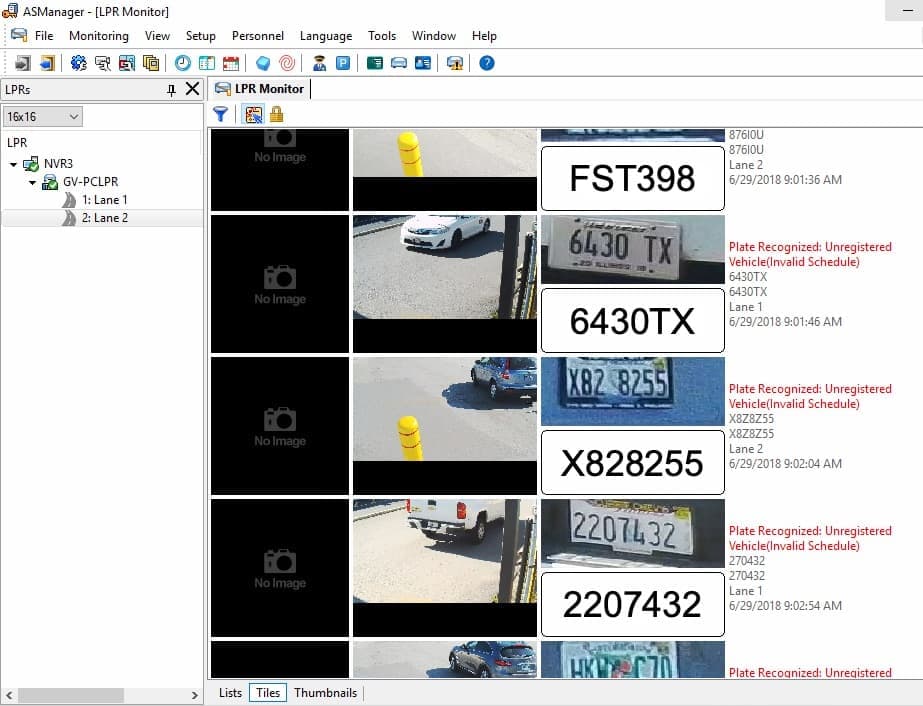
A federal class-action lawsuit filed December 30, 2025, places San Francisco’s deployment of automated license plate readers at the center of a legal and civic debate over surveillance, privacy and cross-jurisdictional data sharing. The plaintiff, a retired teacher, alleges the city’s network of cameras, run with technology from vendor Flock Safety, effectively allows authorities to monitor virtually every vehicle movement in the city.
The complaint seeks multiple remedies: an order to shut down the ALPR network, court-ordered deletion of previously collected plate data and a requirement that law enforcement obtain warrants before searching the database. Central to the suit are allegations that reports show out-of-state agencies accessed the system in matters tied to immigration enforcement, conduct that the complaint says runs contrary to SFPD policy restricting such uses.
The case arrives amid a nationwide wave of scrutiny over automated plate readers and other location-tracking tools. Civil liberties advocates and some municipalities have argued that persistent, centralized collection of vehicle-location data creates privacy risks, can chill lawful movement and may cause disproportionate harms for marginalized communities. The San Francisco filing frames the challenge in those broader terms while tying the dispute to concrete local practices and to alleged policy violations involving outside law enforcement agencies.
City officials acknowledged the complaint and said the city attorney’s office affirmed its commitment to privacy while noting the department will review the complaint. The lawsuit will test whether existing departmental policies and contractual arrangements with private vendors adequately protect residents’ privacy and prevent inappropriate or unauthorized access by other jurisdictions.
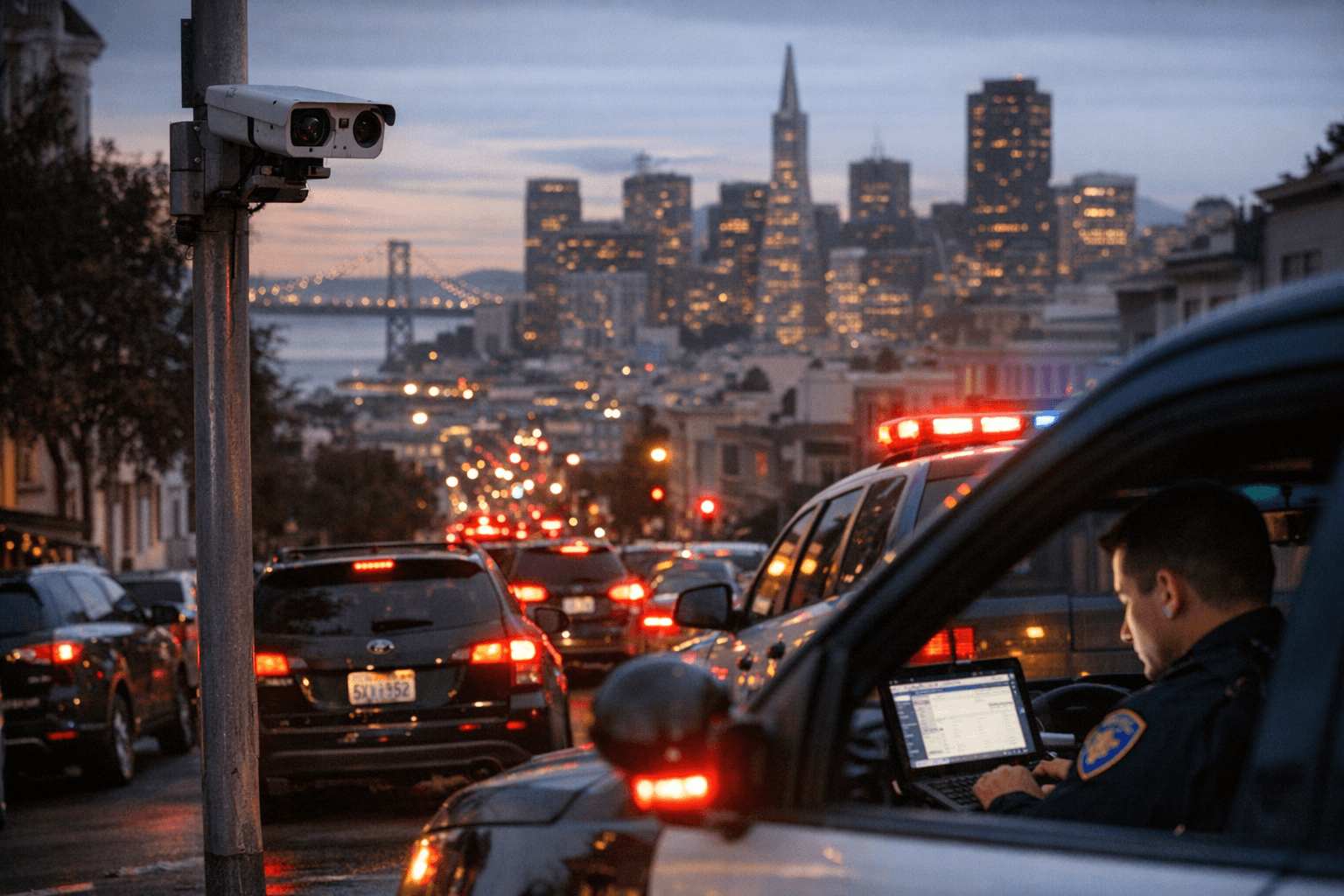
For San Franciscans, the litigation raises immediate questions about how everyday mobility is recorded and used. The outcome could determine whether plate-location records continue to be collected from public streets without judicial oversight and whether data-sharing arrangements with other agencies are constrained. A successful challenge could lead to deletion of historical records and new limits on searches, while an adverse ruling would likely preserve the status quo and shape future municipal procurement and privacy policy.
The case is likely to unfold over months or years as courts weigh legal claims and as city officials reassess operational and contractual safeguards. In the meantime, the suit has prompted renewed local scrutiny of how surveillance technologies are deployed in public spaces and of the accountability mechanisms that govern their use.
This article was produced by Prism’s automated news system from verified source data, official records, and press releases, then run through automated quality and moderation checks before publishing. The system is built and supervised by the people who set the standards it runs under. Read our full AI policy.
Did this article answer your question?