San Francisco supervisors move to block new convenience stores in Tenderloin, SoMa
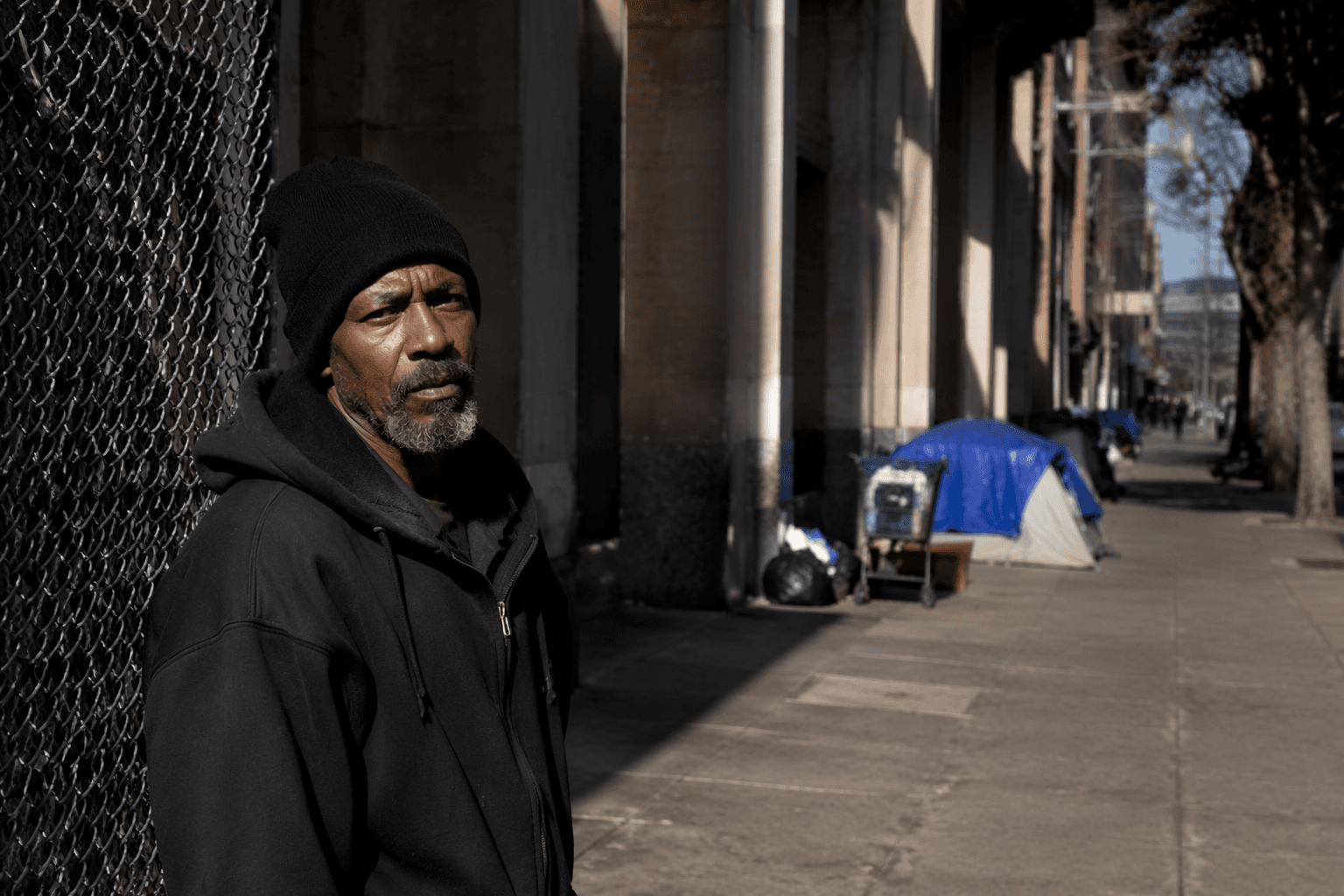
Tenderloin and SoMa supervisors want to stop new convenience stores from opening, arguing the blocks need less nuisance and more relief from street disorder.
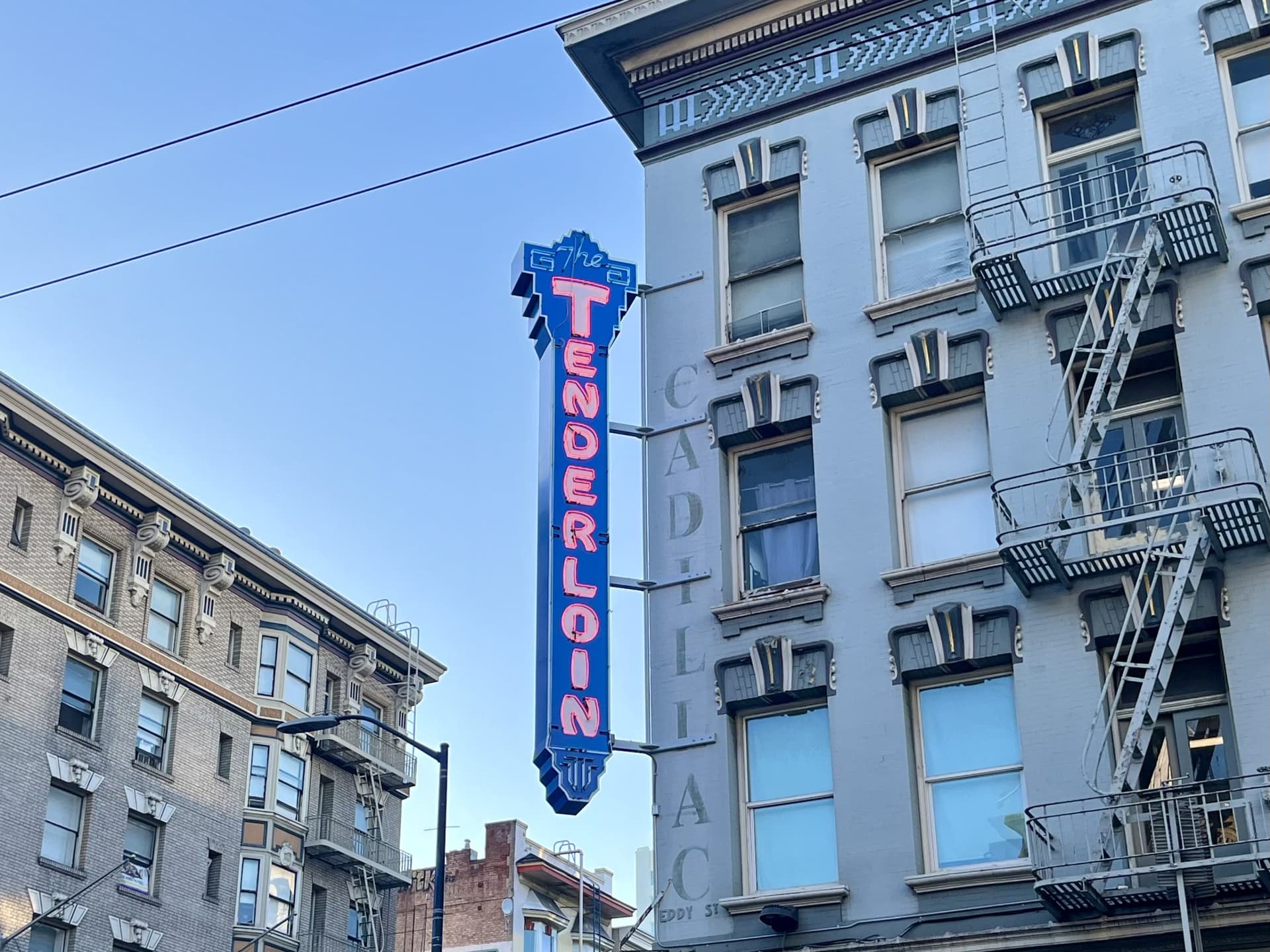
In the Tenderloin and South of Market, the fight over corner stores has become a fight over daily life: whether these shops are a basic neighborhood amenity for groceries and late-night convenience, or a magnet for loitering, stolen goods and open-air drug dealing that spills onto the sidewalk. San Francisco supervisors are now moving to block new convenience stores from opening in both neighborhoods, a step supporters say would reduce the concentration of trouble around a handful of storefronts.
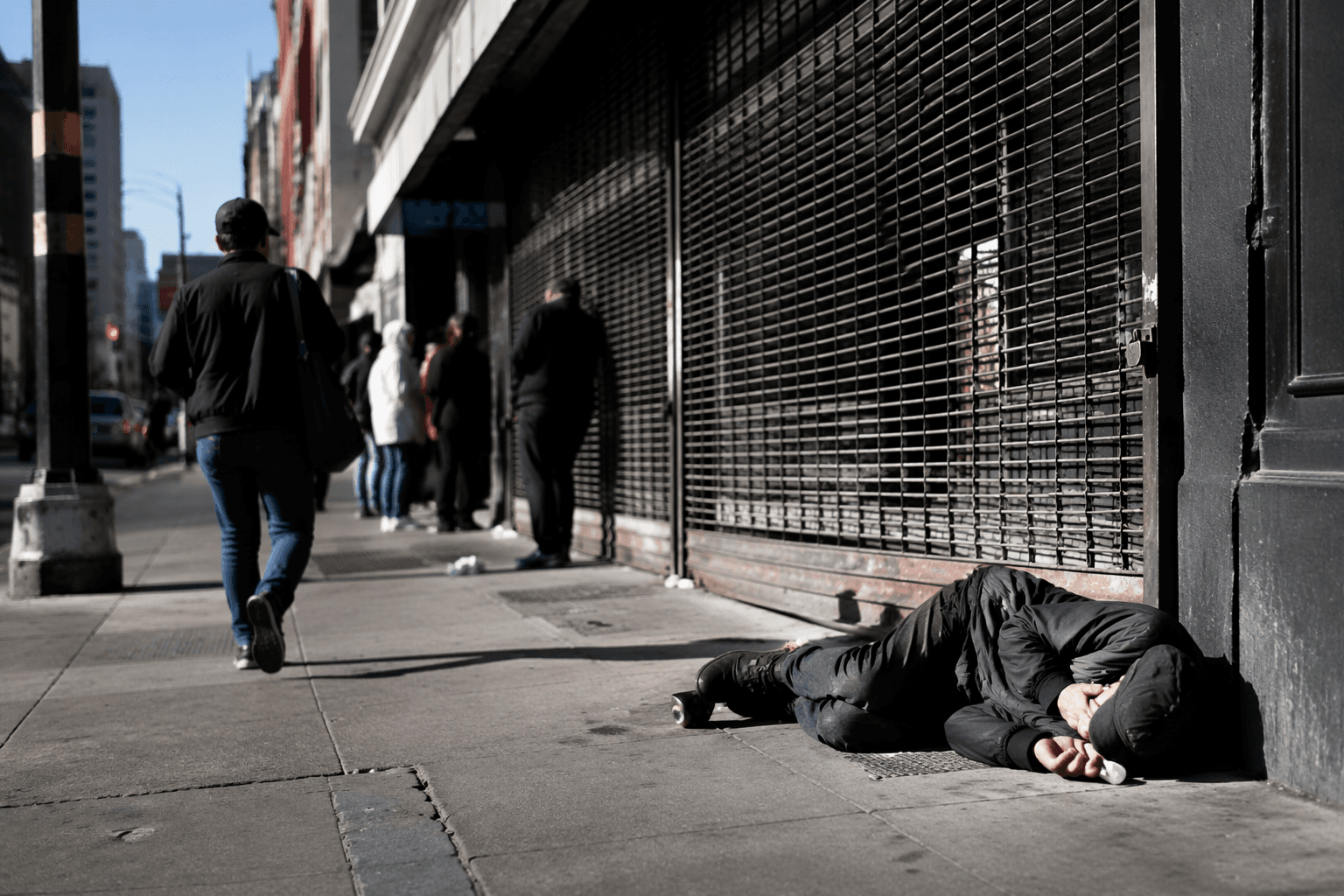
The proposal would use zoning rules to make it harder for corner stores and similar retailers to open in the two districts. Supporters argue that the neighborhoods have absorbed too much street disorder already and that limiting new storefronts could prevent additional hubs of illegal vending and drug activity from taking root. Critics are likely to see the move differently: as City Hall restricting lawful businesses in places that already feel over-managed, while failing to solve the policing and social-service failures driving the problem.
The new push sits on top of San Francisco’s nighttime safety ordinance, which was first passed in July 2024 as a two-year pilot. The rule applies to certain retail food and tobacco stores in the Tenderloin, requiring them to close between midnight and 5 a.m. Restaurants, bars and event halls are excluded, and violators can be fined up to $1,000. City Attorney David Chiu said in January 2026 that his office was already cracking down on nine Tenderloin gambling and drug dens that fronted as convenience stores, describing them as magnets for drug activity and saying some were selling illegal drugs themselves.
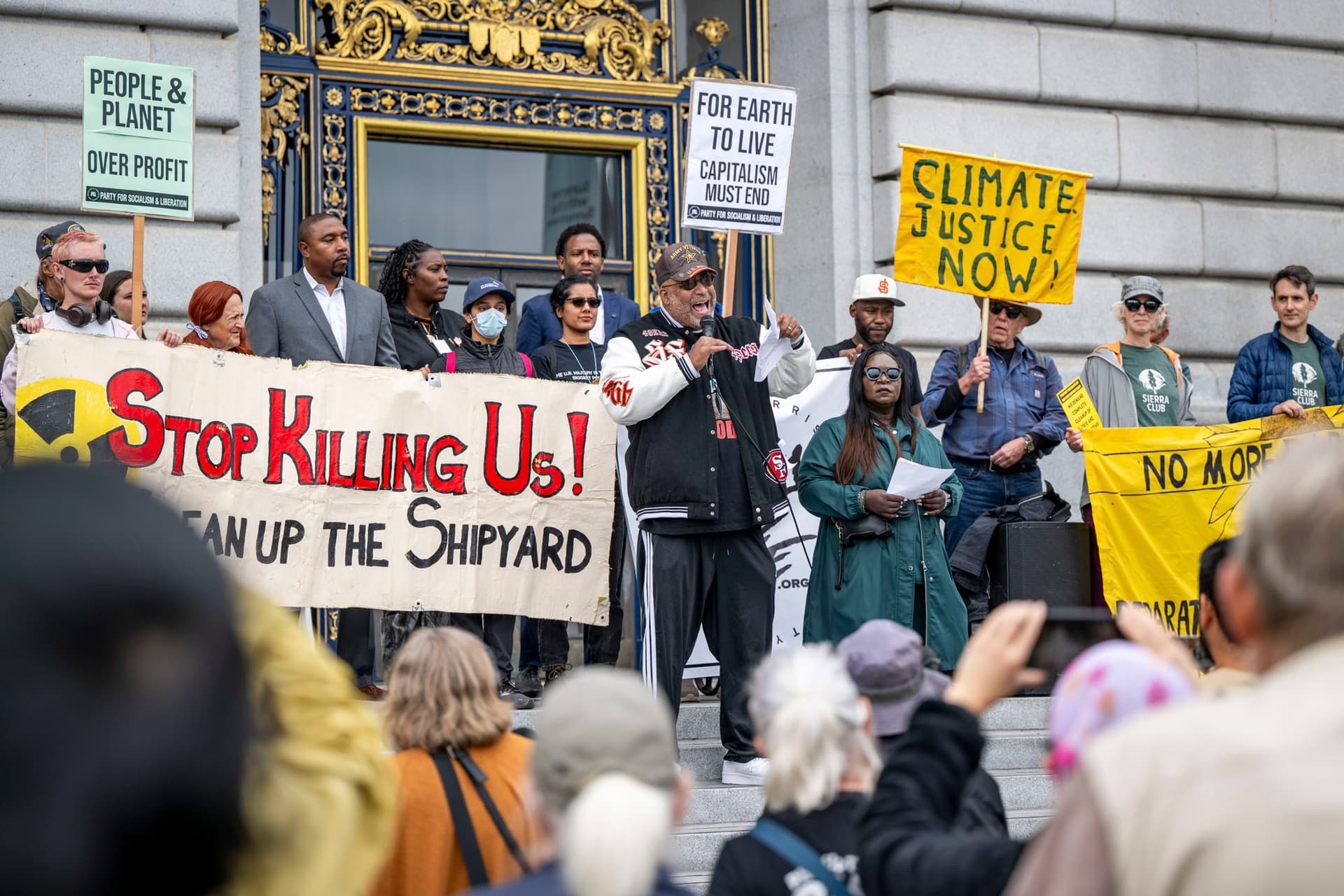
The Board of Supervisors then widened the curfew. On Feb. 10, 2026, supervisors voted 9-2 to extend the pilot for 18 more months and expand it into parts of South of Market, with the new boundaries reaching north to Geary Street, west to Polk Street, east to Powell Street and south to corridors including Sixth Street. Supervisors Matt Dorsey and Bilal Mahmood backed the move, while Jackie Fielder and Shamann Walton voted no. Fielder said the policy made small businesses the scapegoats for SFPD’s failures, while Dorsey said he disliked punishing small businesses but wanted an overnight “cooling off period” to reduce disorder.
Supporters point to early results. SFPD data cited in the debate showed a 14% decrease in violent crime and nearly an 18% drop in calls for service in the designated area during the pilot’s initial stage. ABC7 later reported nearly 18% fewer calls for service and 13% fewer total crimes in the first nine months. A University of Sassari study in Security Journal estimated a 56% reduction in drug-related incidents during curfew hours over that same period, while finding no evidence of spatial or temporal displacement in the Tenderloin Public Safety Area.
That study also flagged possible evidence that some drug activity shifted into SoMa during non-curfew hours, underscoring the deeper question now in front of City Hall: whether San Francisco is reducing harm on the block, or simply moving it a few streets away.
This article was produced by Prism’s automated news system from verified source data, official records, and press releases, then run through automated quality and moderation checks before publishing. The system is built and supervised by the people who set the standards it runs under. Read our full AI policy.
Know something we missed? Have a correction or additional information?
Submit a Tip