San Francisco’s Mid-Market still struggles with empty storefronts, boarded buildings
Mid-Market’s boarded storefronts still outnumber signs of recovery, even after the city spent years trying to lure tech tenants and now promises housing and pop-ups.
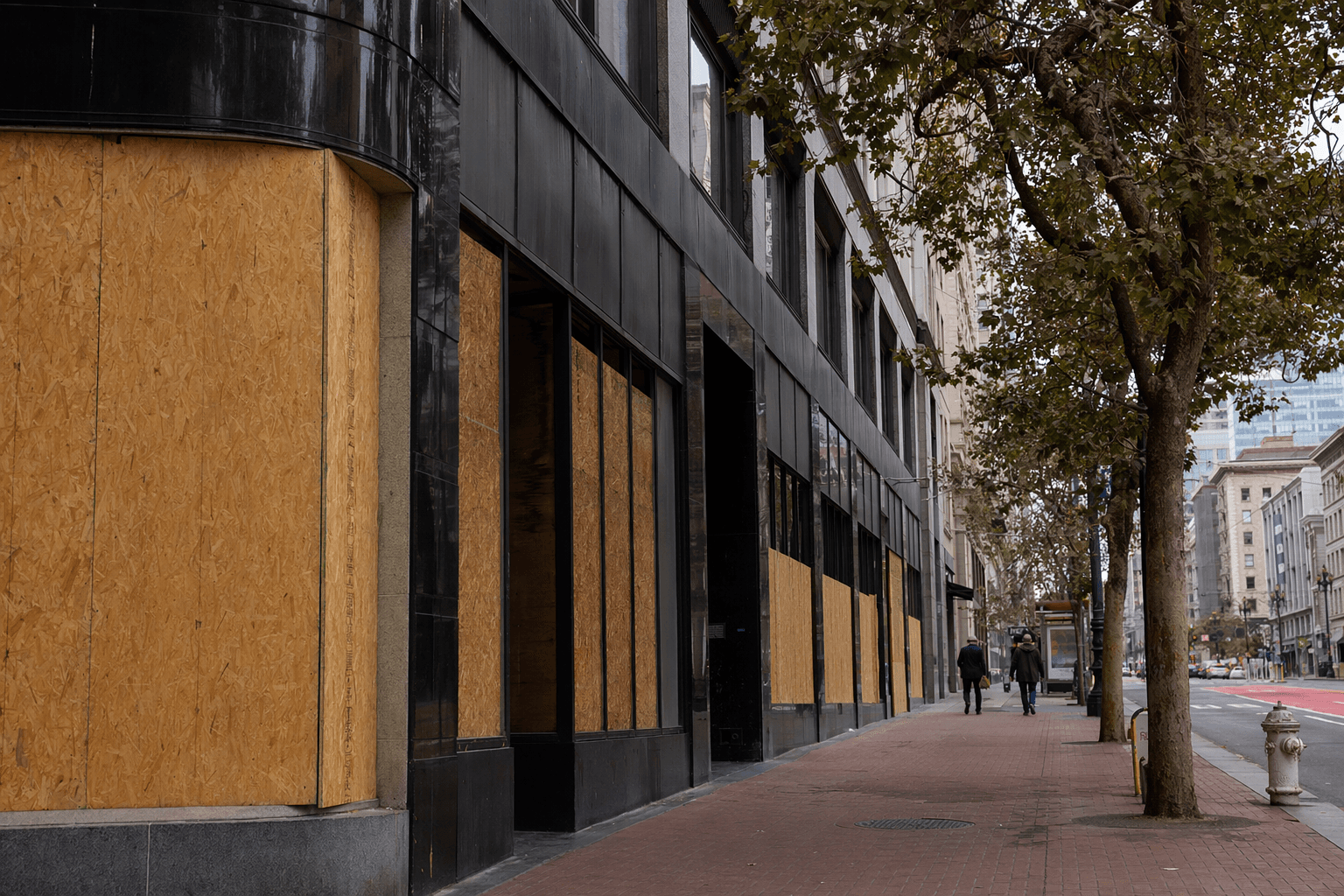
Empty windows and boarded façades still define too much of Mid-Market, where the stretch of Market Street between 5th and 6th streets has yet to feel fully reclaimed by the city’s latest revival push. The corridor that San Francisco once treated as a comeback bet for tech now shows the limits of that strategy: fewer workers passing through, fewer retail customers lingering after lunch, and a retail strip that still depends on activation rather than steady foot traffic.
The city’s first big gambit came in 2011, when supervisors approved the so-called Twitter tax break to cut the city’s 1.5% payroll tax for companies that moved into certain Mid-Market buildings. At the time, about half the area’s offices and 30% of its retail shops were empty. Supporters said the policy would bring jobs, new stores and renewed prosperity. Critics warned it could push out existing businesses and tenants. Eight years later, the incentive expired on May 20, 2019, after the city estimated it had forgone about $70 million in revenue.
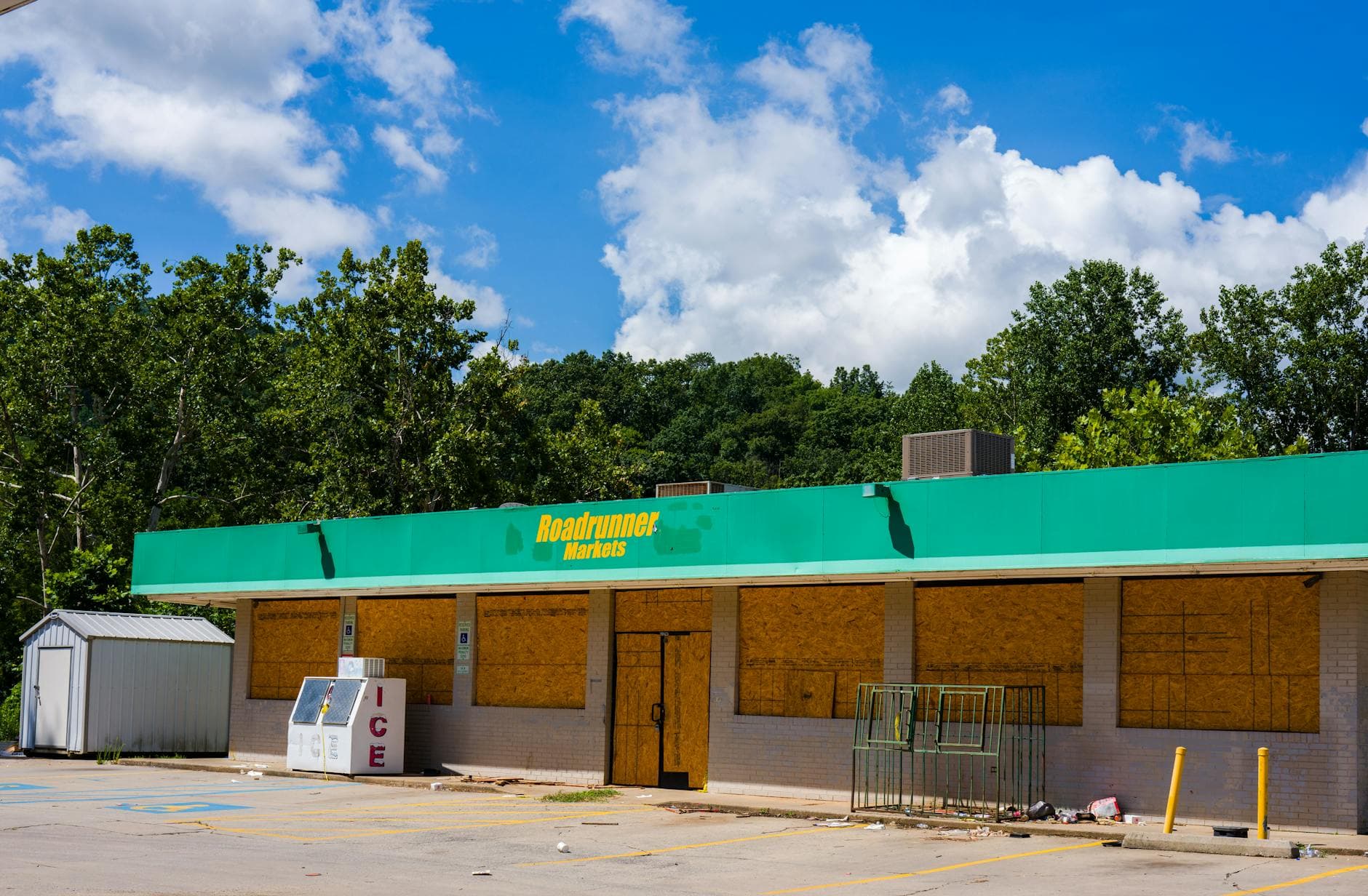
That money bought some activity, but not enough to hold the line against the broader downtown collapse that followed. San Francisco’s office vacancy rate hit a record-low 4.70% in the second quarter of 2019, just before the pandemic changed commuting patterns. About 470,000 people were commuting daily to downtown before COVID-19, a flow that supported nearby restaurants, corner shops and service businesses across Central Market Street. By the second quarter of 2024, office vacancy had climbed to 34.5% citywide, a record that underscored how much of that old daily economy has not come back.
City leaders have shifted from tax breaks to conversion and activation. On June 12, 2025, Mayor Daniel Lurie signed legislation creating a downtown revitalization financing district aimed at turning vacant and underused office and commercial buildings into housing. City analysis suggested 50 properties in that district could support more than 4,000 homes. San Francisco has also said it has directed more than $115 million through more than 6,800 grants and loan awards to small businesses since the pandemic, including storefront improvement grants, vacant-storefront pop-ups and downtown lease support.

Mid-Market also sits under a vacant-storefront registration rule that took effect on April 22, 2019. Owners of empty storefronts must register each year, pay $1,850 and face a $7,400 penalty if they do not comply. On paper, the city is still trying to force dormant space back into use. On the ground, the test is more basic: fewer blank windows, more open doors, and enough daily activity to make the corridor feel usable again.
This article was produced by Prism’s automated news system from verified source data, official records, and press releases, then run through automated quality and moderation checks before publishing. The system is built and supervised by the people who set the standards it runs under. Read our full AI policy.
Did this article answer your question?

