Union Square retail vacancy falls as downtown recovery gains traction
Union Square’s vacancy rate fell to 15%, but the district still sits far above its pre-pandemic level. City leaders say the rebound now depends on foot traffic, safety and leasing momentum.
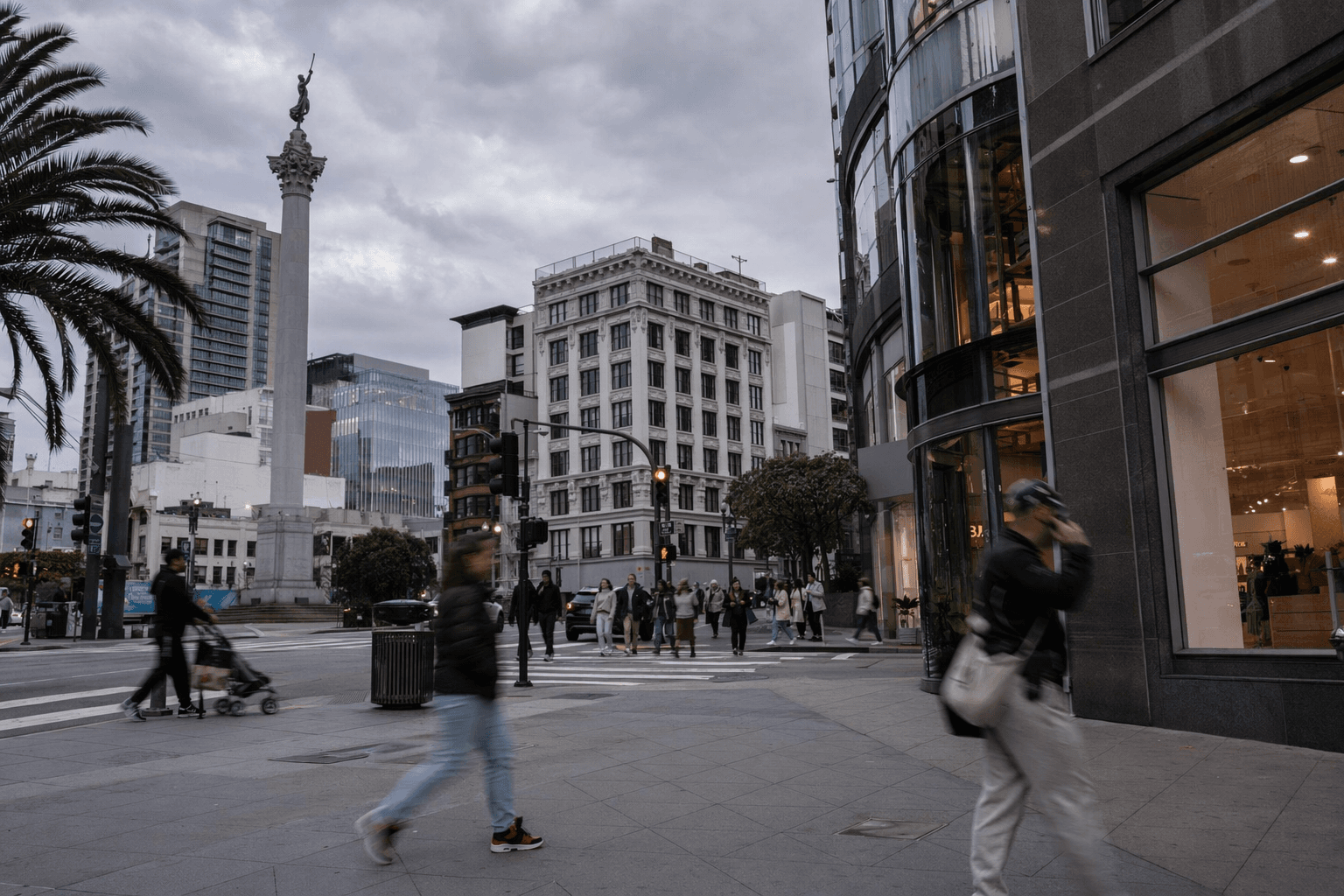
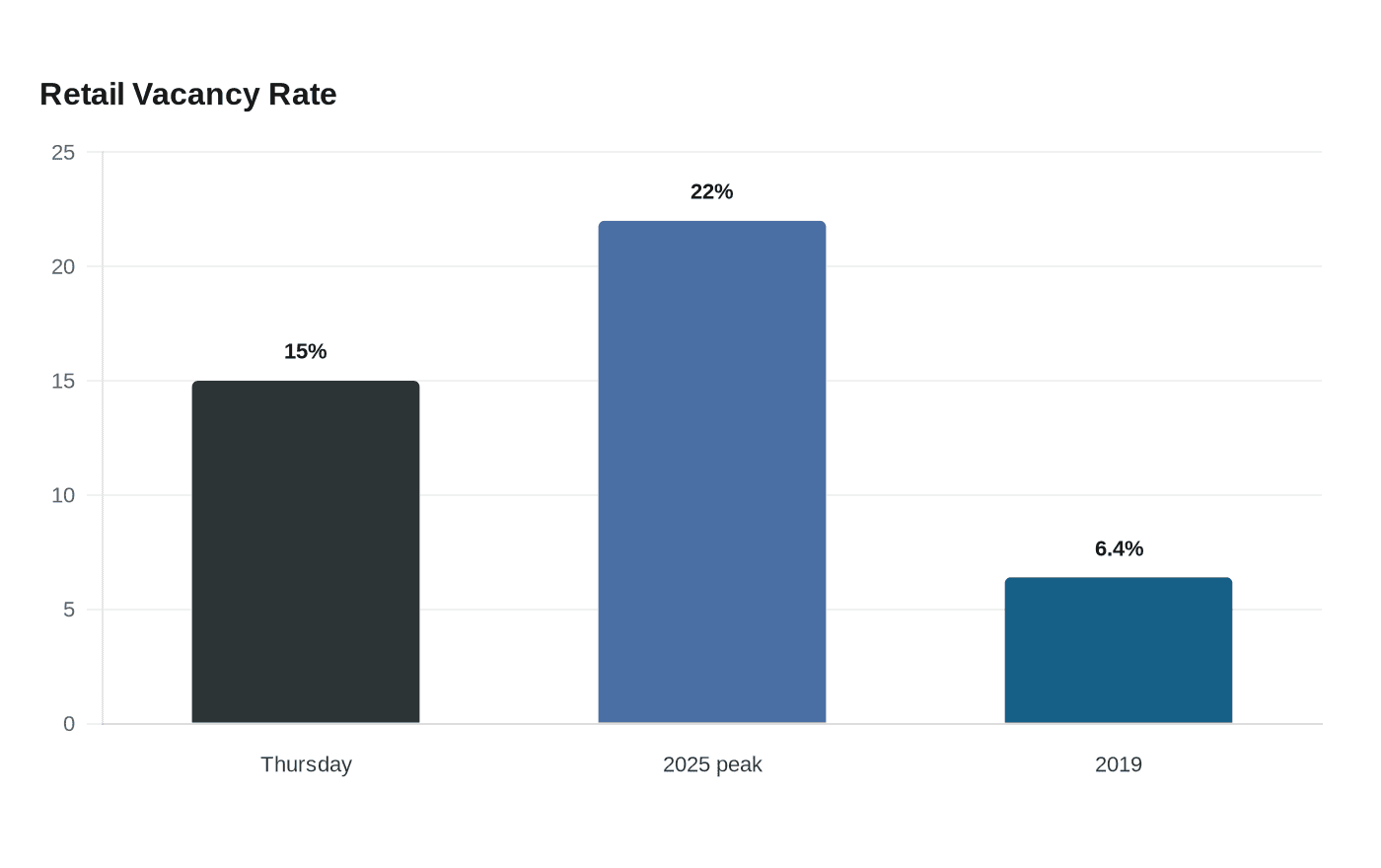
Union Square is still far from healed, but the numbers point to a district moving in the right direction. Retail vacancy fell to about 15% on Thursday, down from a peak of 22% in 2025, yet it remains well above the 6.4% seen in 2019. For San Francisco, that gap matters far beyond shop windows: Union Square and the downtown core generate about 40% of the city’s General Fund tax base, so every filled storefront and busy sidewalk helps determine how much money is available for everyday city services.
Mayor Daniel Lurie has seized on the improvement as evidence that downtown is turning a corner. In a March 13 city update, his administration said it had welcomed four new small businesses downtown, including GCS Agency in Union Square, and said crime was down 40% in Union Square and the Financial District since he took office. The same update said office leasing had surged 66.7%, San Francisco was leading major U.S. cities in return-to-office rates, and average monthly visitors to Union Square had increased 5% since the launch of the Heart of the City plan.
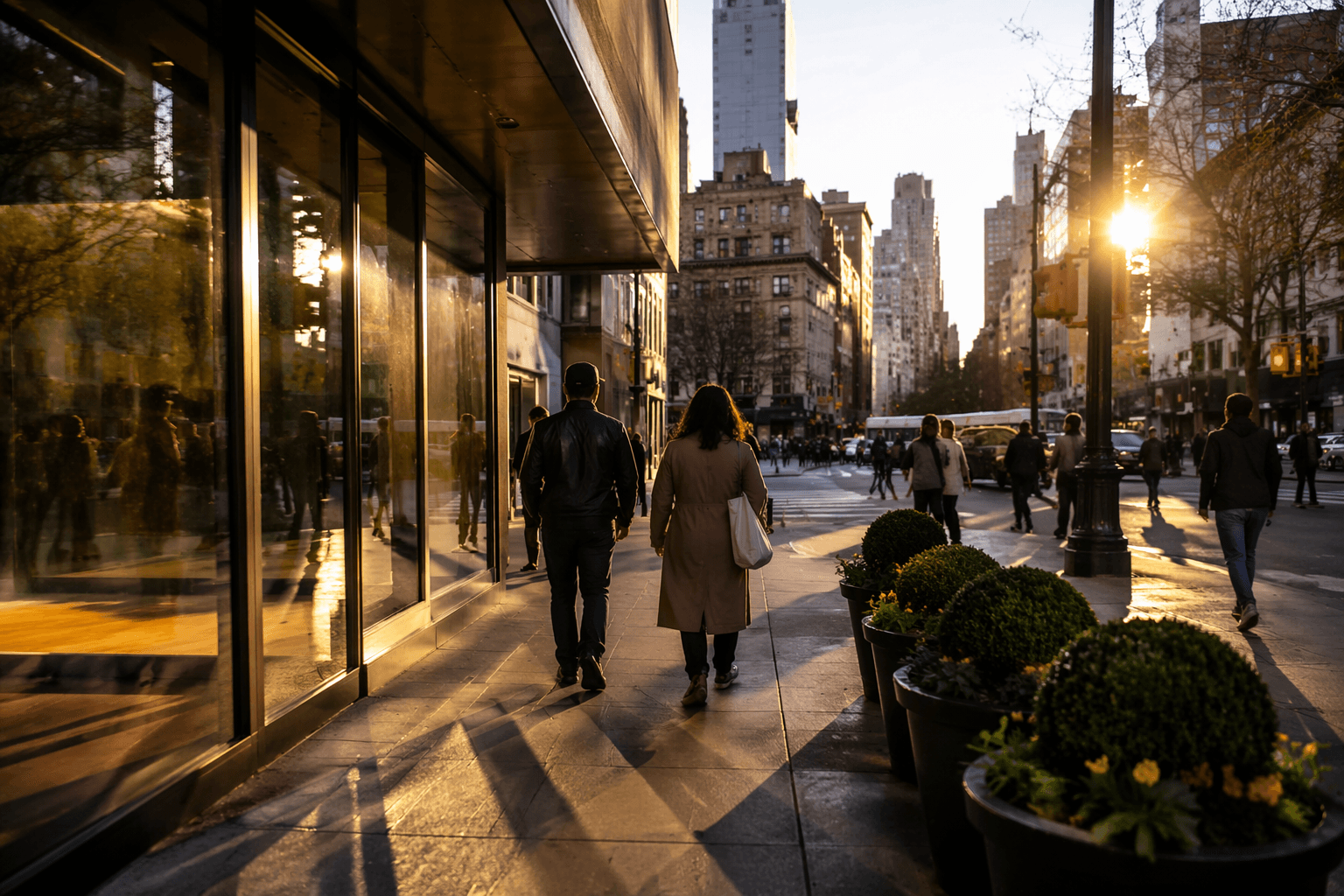
Commercial brokers say the change is visible on the ground. They are seeing more tours, more calls from companies that had been waiting on the sidelines and more active leasing than in the worst months of the downturn. Lower asking rents, a more coordinated city effort and a steadier stream of visitors are helping to pull the market off the floor. On some vacant buildings, brokers are seeing multiple offers, a sign that the worst phase of the crisis may be over even if the recovery is not yet secure.
The city is backing that shift with longer-term public-space work. On Feb. 10, officials said Union Square activations and programming would continue through summer 2027, adding 500 more days of events and public programming after a strong Super Bowl week. Biederman Redevelopment Ventures Corporation will keep managing daily activations and amenities. The Powell Street corridor is part of the same strategy. Mayor London Breed and Board President Aaron Peskin first announced a $6 million investment for the corridor in 2023, and design work for the Powell Street Improvement Project reached 100% schematic design in June 2024. The project covers the three blocks between Market and Geary streets, with widened sidewalks, new pavement, street trees, custom benches, a catenary light system and a planned Golden Lantern feature at the cable car turnaround.
Retailers are also shifting back into the district, with names such as Zara, Uniqlo and Chanel expanding or repositioning nearby. The city’s expanded Downtown Business Fund now offers eligible businesses up to $150,000 in capital through a loan and grant structure, with grants increased to $50,000. That mix of incentives, programming and leasing activity suggests Union Square is moving from crisis to stabilization, but its durability will still depend on safety, transit access and enough foot traffic to keep the district alive.
This article was produced by Prism’s automated news system from verified source data, official records, and press releases, then run through automated quality and moderation checks before publishing. The system is built and supervised by the people who set the standards it runs under. Read our full AI policy.
Did this article answer your question?

