Scott Wiener unveils SB 875 to ease San Francisco's separation from PG&E
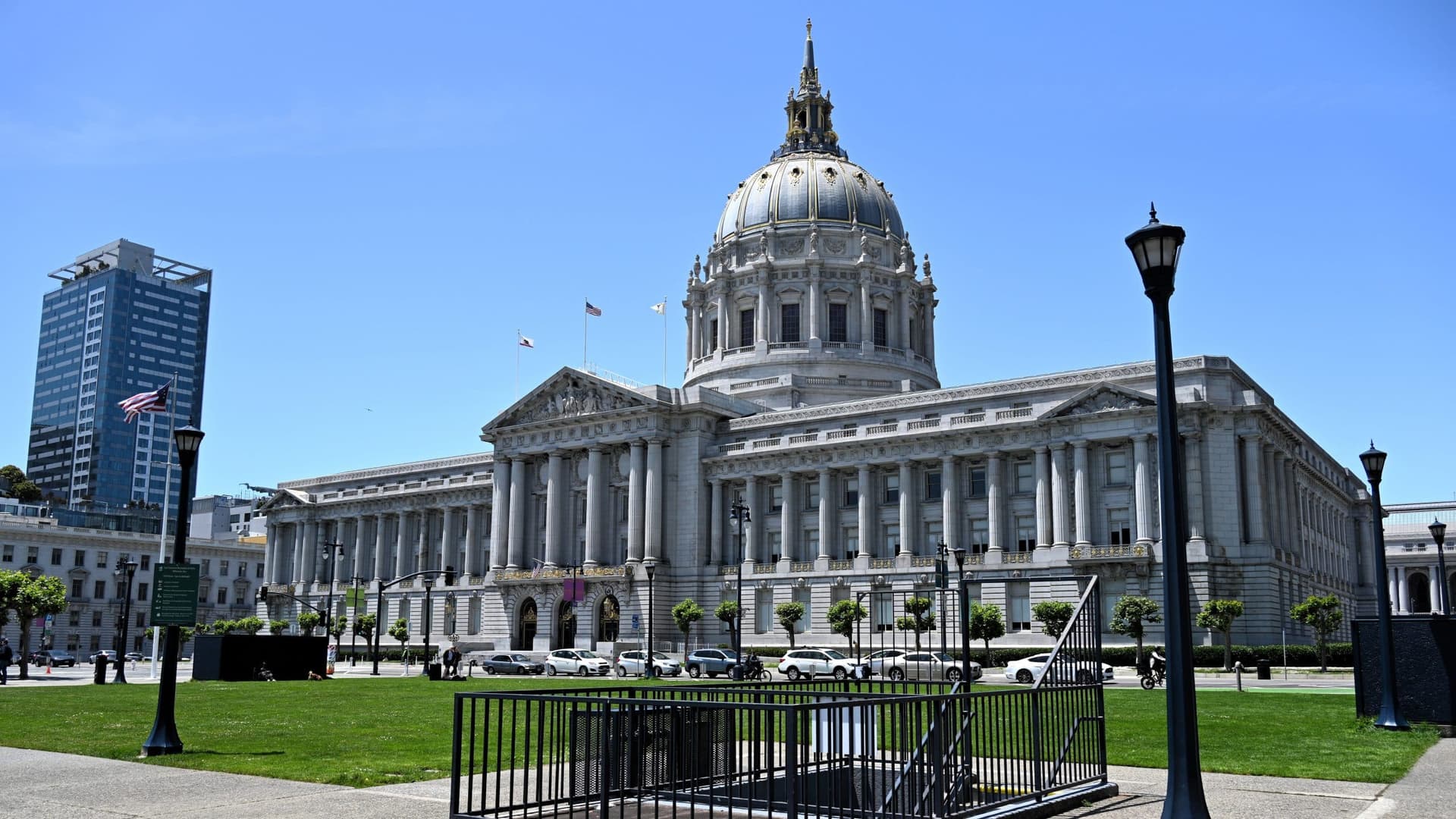
Sen. Scott Wiener unveiled SB 875 on the steps of San Francisco City Hall to lower the legal barriers for cities and counties to use eminent domain and take ownership of PG&E equipment.

On the steps of San Francisco City Hall, State Senator Scott Wiener unveiled SB 875, a proposal to change state law so cities and counties can more easily acquire Pacific Gas & Electric equipment and form publicly owned utilities. Wiener introduced the bill Feb. 23 with several members of the San Francisco Board of Supervisors in attendance and framed the measure as giving local governments the tools to act after months of high-profile outages.
SB 875 would lower the legal burden of proof a city or county must meet to justify converting an investor-owned utility to public ownership, and it would explicitly allow municipalities to use eminent domain to acquire utility assets that Wiener called “virtually impossible right now.” The bill also narrows how employee impacts are evaluated by focusing reviews of job transfers and pensions, sets enforceable deadlines to prevent conversion cases from dragging on, and reduces the California Public Utilities Commission’s gatekeeping authority in the conversion process.
Wiener delivered sharp language about the impetus for the bill. “For decades, utilities like PG&E, run by big investors, have rigged our regulatory system to block cities’ attempts to break up with them and form public utilities,” he said. He added, “Good governance is about setting clear rules and expectations, not allowing for a handful of small interests to dictate the terms.” At the City Hall event Wiener framed the measure bluntly: “We are done, and it is time for San Francisco to break up with PG&E,” and said SB 875 exists to “actually be able to make that decision.”
The introduction follows a string of regional outages that began in December 2025 and continued into January 2026, leaving homes and businesses across the Bay Area without power. Wiener and local officials pointed to those blackouts and long-running complaints about equipment maintenance and rising electricity rates as reasons the city must have a clearer legal path to municipalize utility service. The city previously approached PG&E: San Francisco Public Utilities Commission offers were refused in 2019 and a separate city proposal in 2020 was also declined, and Wiener’s 2020 push to require PG&E to become a public utility “didn’t make it very far” at the Capitol.
If SB 875 advances, the bill will be referred to legislative committees and Wiener said the first hearing could occur sometime in the spring; under California procedure any measure that moves must be sent to the governor by the end of August. The bill is identified in legislative materials as SB 875 and staffers and legal experts will be watching its specific statutory changes around burden of proof, CPUC authority, and employee protections.
Public reaction on social media was immediate and heated: a Facebook post about the bill drew 236 reactions, 140 comments and 18 shares, with commenters alternately decrying regulatory overreach, accusing politicians of cozy ties to utilities, and calling the proposal socialism. Locally, the debate is likely to force city officials, PG&E and the CPUC into a months-long policy battle over rates, jobs and who runs the wires.
Wiener’s SB 875 also arrives amid a broader energy-policy agenda: he recently authored SB 222, the Heat Pump Access Act, aimed at streamlining permitting to help reach a target of 6 million heat pumps by 2030 and California’s carbon neutrality goals by 2045. The SB 222 press materials list Tryn Brown as media contact at (209) 402-9959. The next practical step will be circulation of the SB 875 bill text and committee assignments, which will determine whether San Francisco’s effort to “break up” with PG&E becomes a statewide model or stalls in Sacramento.
Know something we missed? Have a correction or additional information?
Submit a Tip