SF Bay Maritime Traffic Controllers Work On Despite Missing Federal Paychecks
Roughly 35 civilian operators at Yerba Buena Island kept San Francisco Bay's 133-mile shipping corridor moving even as a federal paycheck disruption left some without pay.
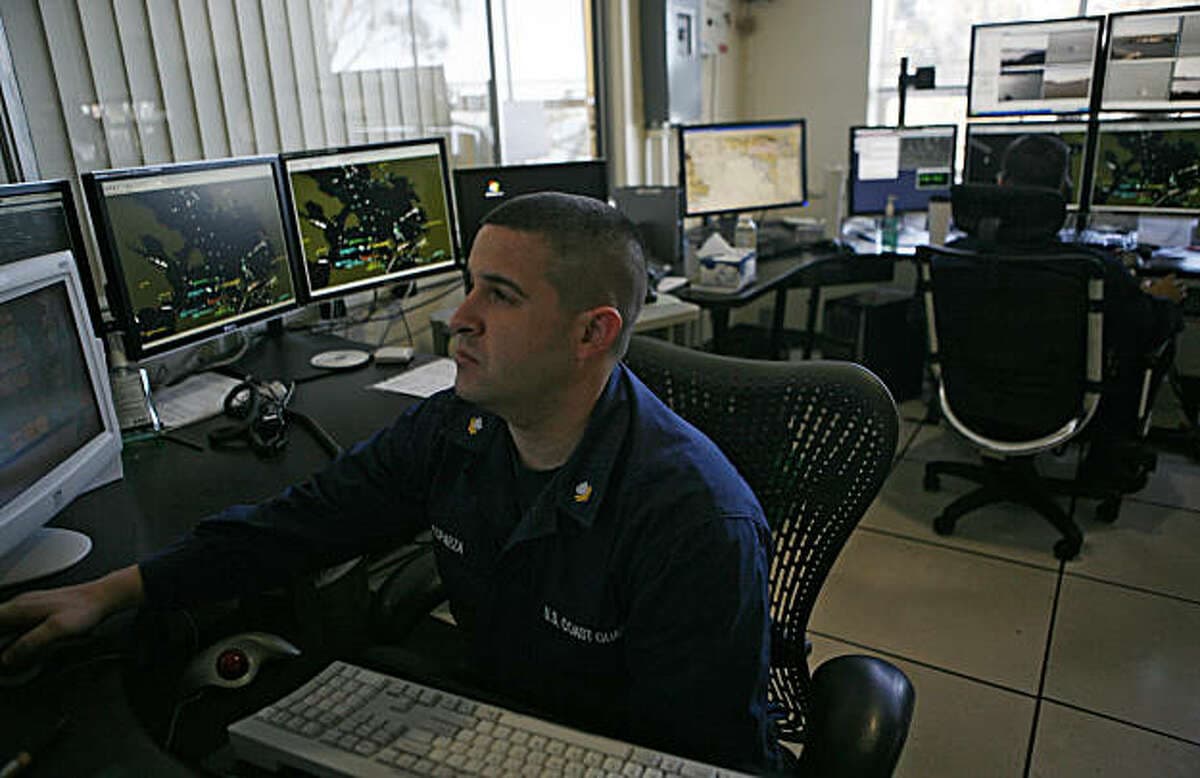
Roughly 35 civilian operators at the U.S. Coast Guard's Vessel Traffic Center on Yerba Buena Island have continued monitoring and managing ship movements inside San Francisco Bay despite a federal paycheck logjam that left some of them without paychecks, according to a report published March 13, 2026.
The operators, stationed at the VTS San Francisco facility perched on Yerba Buena Island in the middle of the bay, are responsible for the safety of vessel movements along approximately 133 miles of waterway stretching from offshore approaches all the way inland to the ports of Stockton and Sacramento. That corridor carries container ships, tankers, bulk carriers, and other commercial traffic through some of the most congested and constricted channels on the West Coast.
The scope of what these civilian workers manage each day is substantial. Federal regulations establishing regulated navigation areas within the San Francisco Bay Region went into effect on May 3, 1995, developed with input from the Harbor Safety Committee of the San Francisco Bay Region. Those rules were designed to improve navigation safety by organizing traffic flow patterns, reducing meeting, crossing, and overtaking situations in constricted channels, and limiting vessel speeds. VTS San Francisco also operates the voluntary Offshore Vessel Movement Reporting System, which extends the service's situational awareness beyond the bay itself.
How many of the roughly 35 operators missed paychecks, and for how long, was not immediately clear. No official Coast Guard statement on the disruption was available in documents reviewed for this report, and no labor or union representatives had commented on the record. The nature and cause of the federal paycheck logjam also remained unspecified in available materials.

The fact that controllers kept working despite the pay disruption underscores how critical continuous VTS coverage is considered for bay safety. An archival assessment of the San Francisco Vessel Traffic Service, drawn from Bay Area newspaper clippings compiled by the Defense Technical Information Center, noted that the media and the public have long attached significant importance to "the continuing operation of the San Francisco Vessel Traffic Service atop Yerba Buena Island." That observation, made in a historical context, carries renewed weight given the circumstances this week.
By contrast, VTS Los Angeles-Long Beach, a separate system operated jointly by the Coast Guard and the Marine Exchange of LA/LB out of San Pedro, funds its operations partly through fees assessed against commercial vessels in that region, a model that insulates it somewhat from federal payroll disruptions. That system, which began operations in March 1994, was not identified in available reporting as affected by the current pay issue.
For the Yerba Buena Island operators, the Bay's shipping lanes did not stop moving while their paychecks did.
This article was produced by Prism’s automated news system from verified source data, official records, and press releases, then run through automated quality and moderation checks before publishing. The system is built and supervised by the people who set the standards it runs under. Read our full AI policy.
Did this article answer your question?