SF Mayor Lurie Unveils PermitSF Reforms to Speed Small Business, Neighborhood Approvals
Mayor Lurie's latest PermitSF push targets block parties, deck inspections, and routine renovation red tape — with an online portal expanding to more permit types next month.
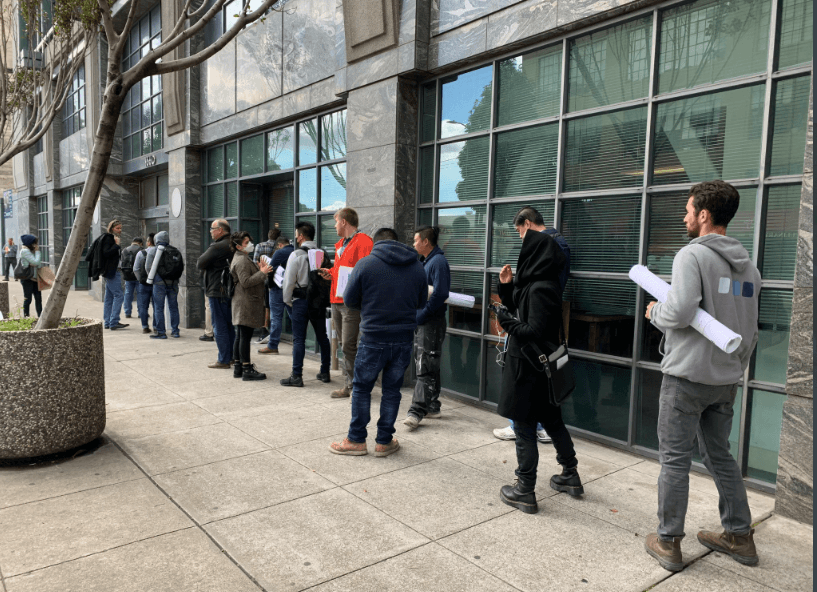
Getting a permit to put tables on the sidewalk outside a Castro café, hang a sign on a Chinatown storefront, or inspect a deck on a Sunset District apartment building used to mean months of waiting, multiple city departments, and hundreds of dollars in fees that many small operators couldn't absorb. Mayor Daniel Lurie's March 24 unveiling of his latest PermitSF reforms is a direct attempt to answer whether any of that changes soon, and for some categories, the answer is: starting next month, yes.
The newest tranche targets three pressure points that have long frustrated neighborhood operators and property owners: special events and block parties, deck and balcony inspections, and the low-stakes administrative permits that pile up delays without meaningfully advancing public safety. By separating routine, low-risk approvals from complex, high-consequence reviews, the reforms aim to let inspectors inside the Department of Building Inspection focus attention where structural or safety concerns are real, rather than treating a street fair and a major seismic retrofit as equally bureaucratic endeavors.
The deck and balcony piece carries the most concrete math. The reforms synchronize San Francisco's local inspection timelines with California's existing SB 721 and SB 326 statutes, which mandate a six-year inspection cycle for elevated elements in multi-unit residential buildings. Owners of apartment buildings from the Richmond to Potrero Hill had been absorbing duplicative city-mandated inspections on top of state-required ones. Eliminating that overlap, city officials say, saves building owners thousands of dollars per inspection cycle while maintaining the safety standards the state law already enforces.
For business operators, the practical on-ramp has been improving since February 2026, when San Francisco launched its first online permitting portal, allowing applicants to submit, pay, and track certain permit applications without a trip to the Permit Center at 49 South Van Ness. The city plans to expand that portal to additional permit types in April 2026, including fire permits, residential remodels, and business signage, which means a restaurant owner on Valencia or a retailer on Fillmore could, within weeks, complete a permitting cycle from their laptop rather than waiting in line.
The March 24 reforms build on a series of earlier legislative milestones. Starting in August 2025, more than 500 businesses that previously paid between $300 and $2,500 annually to place tables and chairs on the sidewalk were freed from that requirement entirely. Installing an accessibility door opener, which once triggered a nearly $2,000 one-time city fee plus annual charges, no longer requires a minor encroachment permit. Painting a business name on a storefront now requires no permit at all.

Not everyone is satisfied with the pace or design of the changes. Labor and community groups have pushed for stronger safeguards to ensure expedited pathways do not erode public notice requirements or bypass code compliance for contractors working in lower-income neighborhoods. The risk, critics argue, is that streamlining benefits well-resourced operators with experienced permit expediters while leaving smaller, less-connected business owners to navigate inconsistencies in how inspectors apply the new, faster rules.
The administration says it will publish performance metrics tracking application turnaround times, complaints about inspection inconsistency, and small-business opening rates in downtown census tracts as reforms roll out. Those numbers will be the first real signal of whether PermitSF's promise translates into storefronts open and decks inspected, or becomes another set of City Hall benchmarks that look clean on a dashboard while the reality on the ground stays stuck.
Longer term, Lurie has proposed consolidating the Department of Building Inspection, the Planning Department, and the Permit Center into a single centralized authority. That structural merger is headed for the November 2026 ballot as a Charter amendment, which means the deeper fix to inter-department conflicts, the kind that slow projects even when individual permits move quickly, remains more than a year away.
This article was produced by Prism’s automated news system from verified source data, official records, and press releases, then run through automated quality and moderation checks before publishing. The system is built and supervised by the people who set the standards it runs under. Read our full AI policy.
Did this article answer your question?