SF Supervisor Dorsey Revives Plan to Evict Supportive Housing Residents for Drug Use
Five SF supervisors want to cut city funding for any new housing that won't evict homeless residents for drug use, putting 17,500 city-funded units in the political crosshairs.
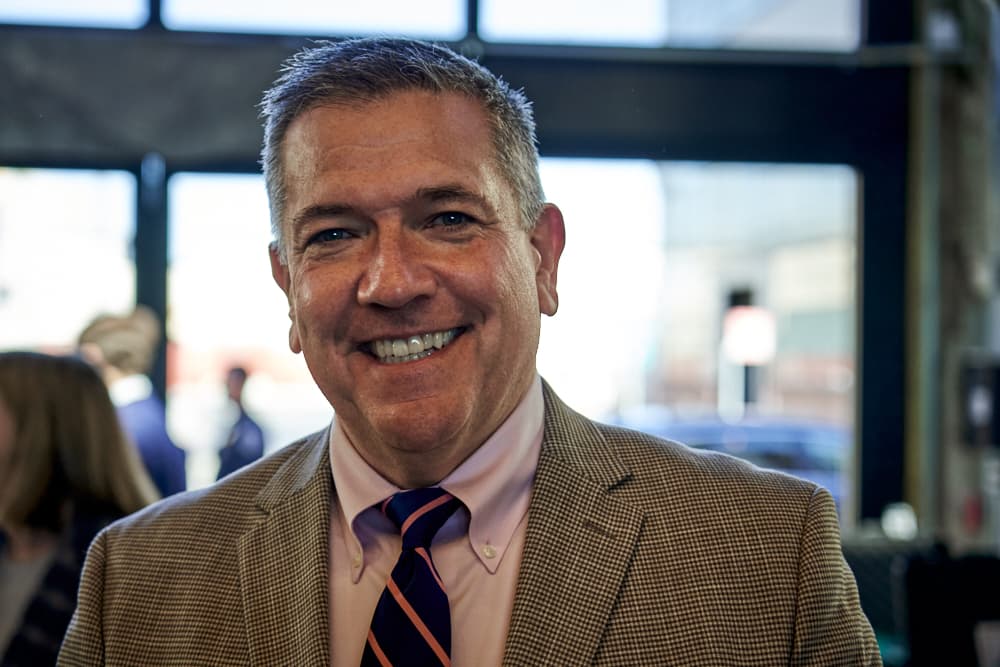
Five supervisors at City Hall moved to cut off funding for what they called "drug-tolerant" supportive housing, reviving a proposal that would require new city-funded permanent supportive housing facilities to evict residents who use drugs or lose their municipal funding.
District 6 Supervisor Matt Dorsey introduced the revised ordinance alongside co-sponsor Rafael Mandelman, with backing from colleagues Stephen Sherrill, Bilal Mahmood, and Danny Sauter. With narrow exceptions, the legislation would prevent San Francisco from funding new permanent supportive housing projects that refuse to remove residents for drug use. Under the measure, the Department of Homelessness and Supportive Housing would also be required to survey residents of existing permanent supportive housing about their interest in living in housing that would allow or bar drug use.
"If it's someone's intent to continue to use drugs, we have plenty of options for you," Dorsey said in an interview. "We have fewer options for drug-free supportive housing, and that's what this legislation is hoping to address."
The proposal arrived less than a week after Gov. Gavin Newsom vetoed Assembly Bill 255, which would have directed up to 10 percent of California's homelessness budget toward sober housing. Mayor Daniel Lurie said Newsom's veto threatened to bring San Francisco's progress on the issue to a standstill, and Dorsey's ordinance represents a local effort to push ahead regardless of the state's position.

The legislation puts San Francisco on a collision course with California's long-standing "Housing First" framework, which requires that housing be offered to homeless people without precondition. The city currently funds more than 17,500 housing units and opened its first sober shelter last month, a milestone Dorsey and his co-sponsors cited as evidence of growing demand for sobriety-focused options.
Progressive advocates for homeless people warned that tying funding to eviction requirements would push more residents onto the streets. The pushback centers on a concern that people removed from supportive housing for drug use have few immediate alternatives, making street homelessness the likely outcome for those who cannot maintain sobriety.
The ordinance applies only to new city-funded permanent supportive housing projects; the research notes do not specify whether existing facilities would face any retroactive requirements. The specific carveouts described as "narrow exceptions" have not been publicly enumerated. No committee hearing date or scheduled Board vote has been announced.
This article was produced by Prism’s automated news system from verified source data, official records, and press releases, then run through automated quality and moderation checks before publishing. The system is built and supervised by the people who set the standards it runs under. Read our full AI policy.
Did this article answer your question?