SF Supervisors Approve SFPD Use of GPS Tracking Projectiles in Pursuits
SF supervisors cleared SFPD to use StarChase, a compressed-air GPS projectile fired from patrol cars, giving officers a way to track fleeing vehicles without a high-speed chase.
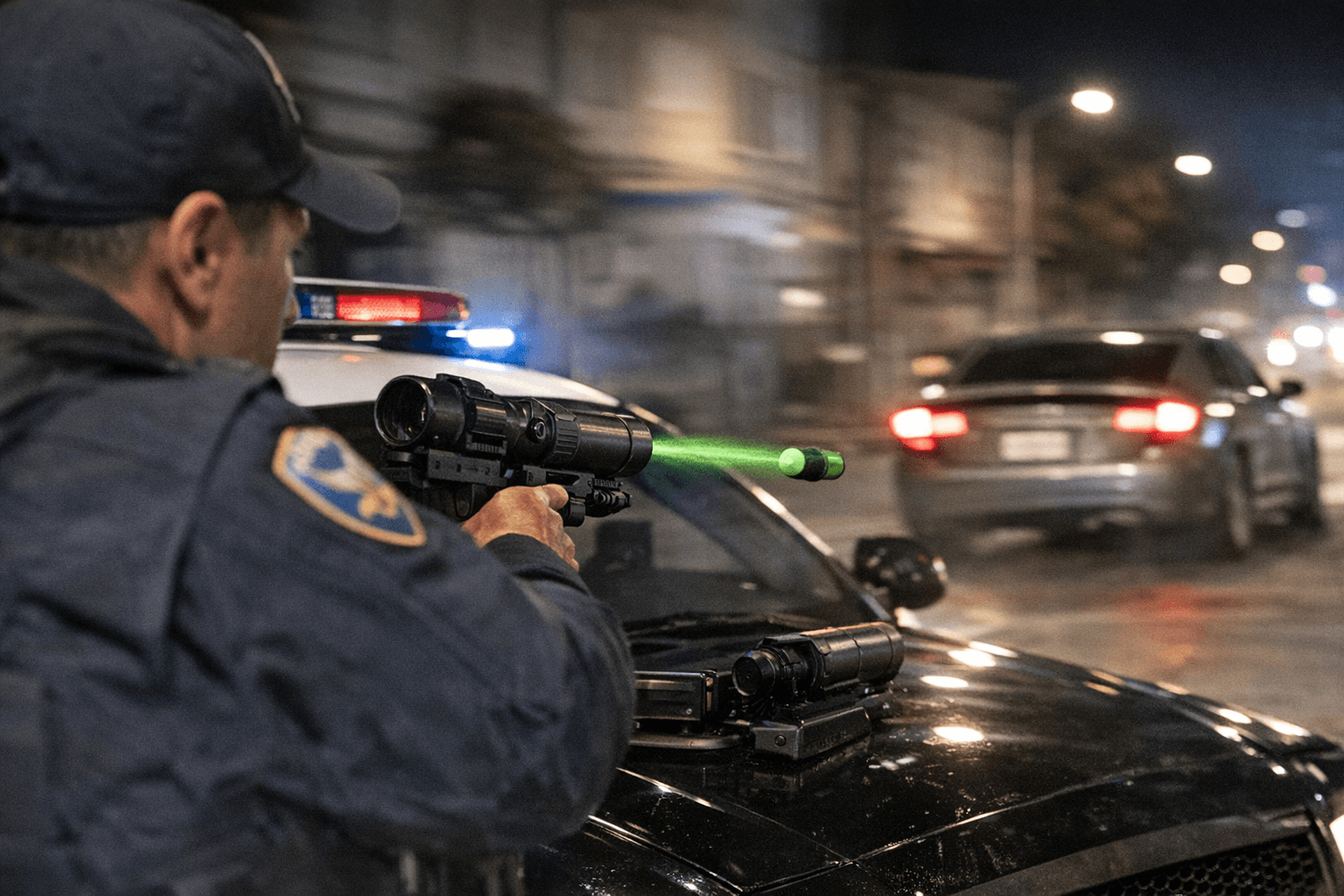
A GPS projectile that sticks to fleeing cars cleared a major legal hurdle Monday when the San Francisco Board of Supervisors voted to approve an SFPD surveillance technology policy formally authorizing use of the StarChase tracking system.
StarChase technology allows officers to remotely affix a GPS device to vehicles prior to initiating contact, if there is a likelihood the suspect vehicle will attempt to elude or evade when a stop is attempted. The system uses a compressed-air launcher mounted in the grille or on the push bar of a police vehicle, firing a GPS projectile that affixes to the target car. Once the tag is deployed, officers can track the vehicle through GPS technology in order to facilitate a tactically sound apprehension of the suspect vehicle and occupants.
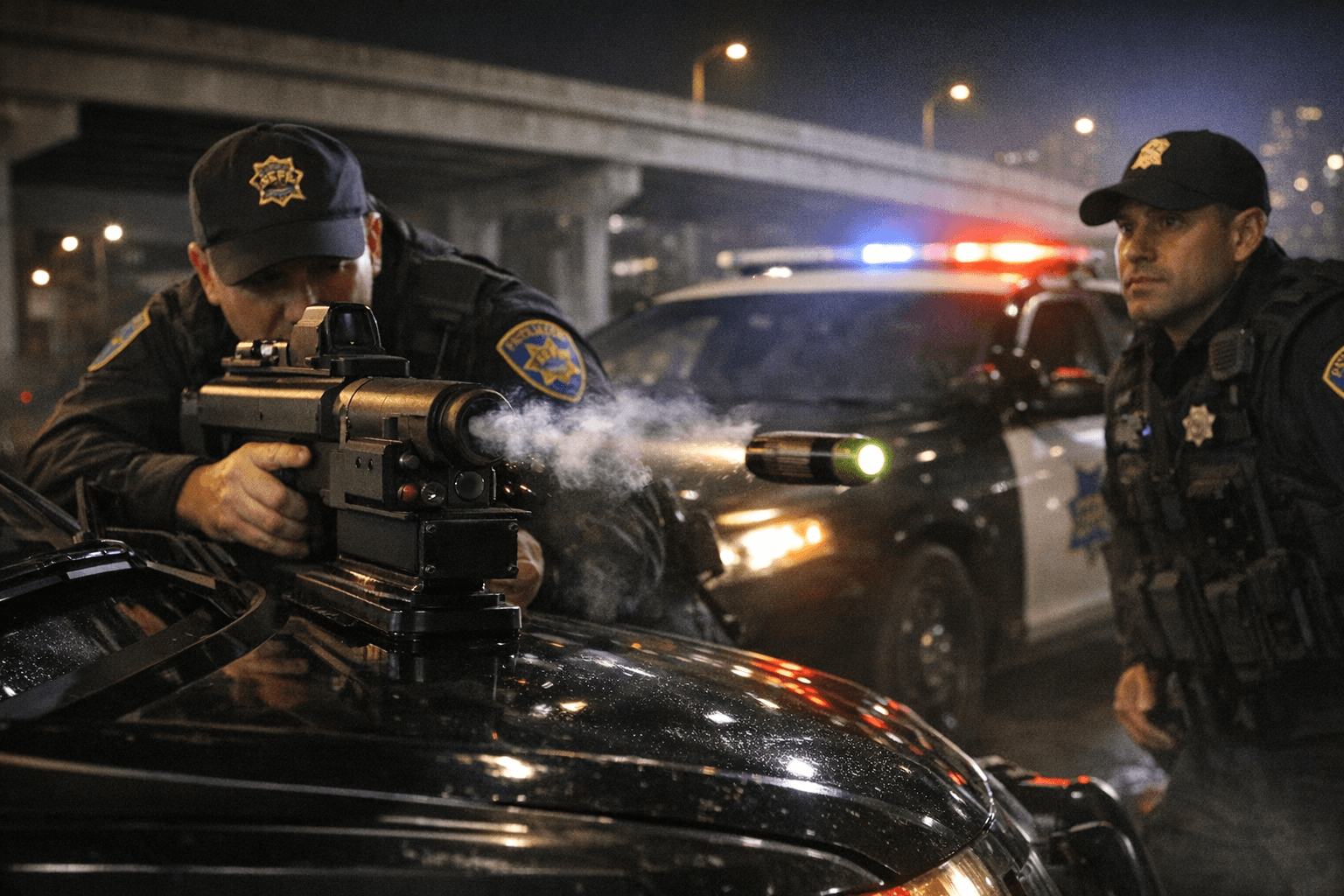
StarChase is used to GPS tag a vehicle that SFPD is pursuing, claiming it mitigates car chases and reduces high-speed pursuits. In 2025, 17 of 22 attempts to tag a vehicle were successful.
Under the policy, StarChase may only be deployed on vehicles that have been reported stolen, have felony wants, are listed in an Amber Alert, or whose occupants have just committed or are actively committing a public offense. Deployment should, when possible, be attempted when the suspect vehicle is static rather than in motion.
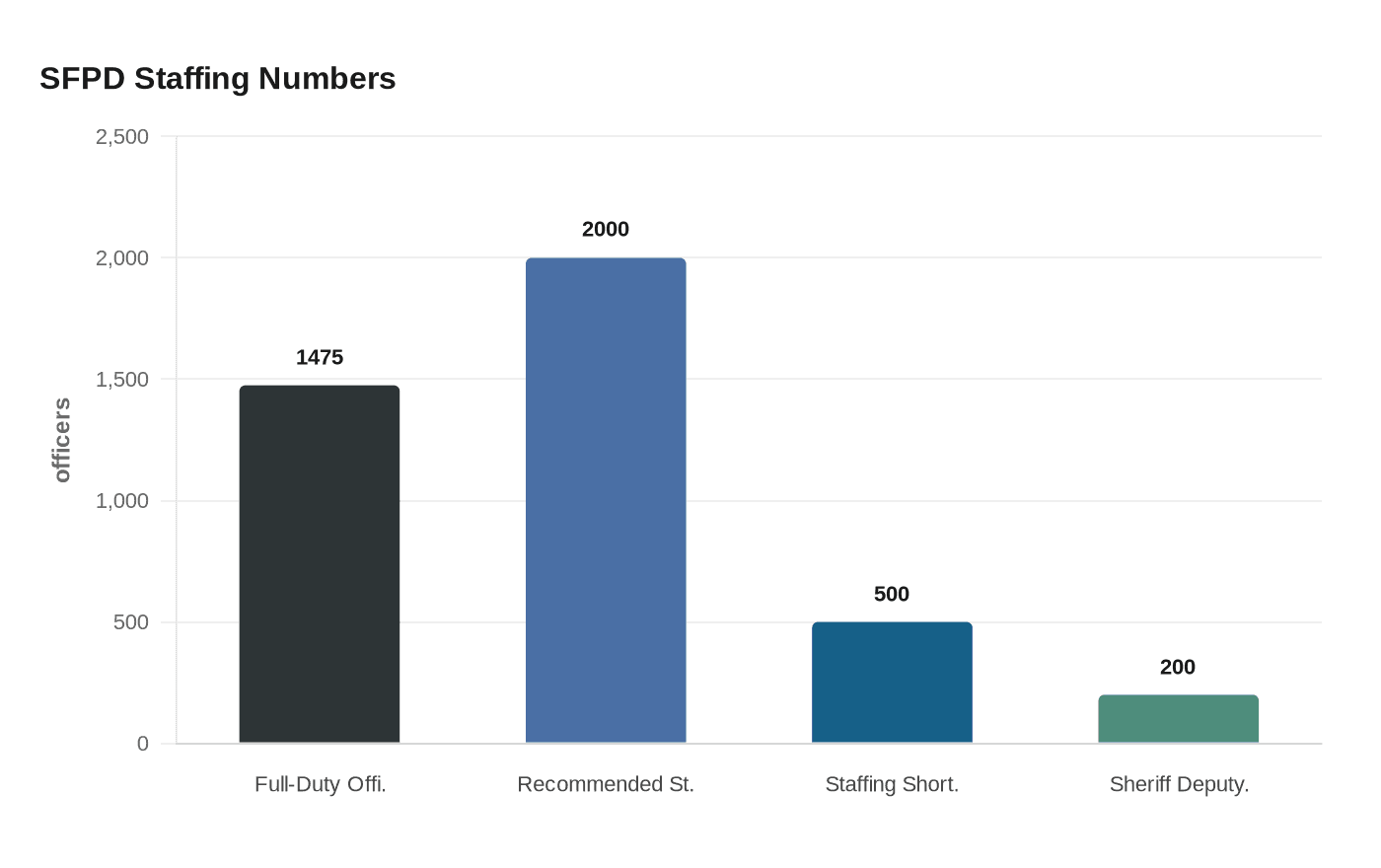
The vote came as SFPD continues to grapple with a years-long staffing crisis. Mayor Daniel Lurie said the department has "fewer than 1,500 full-duty police officers, more than 500 below the recommended staffing level," with the Sheriff's Office short nearly 200 deputies. Department data put the 2024 full-duty headcount at 1,475 sworn officers, a figure drawn from SFPD's own proposal for the 2026 and 2027 fiscal year budget, as the department has faced a steady decline in sworn officers since 2020.
To compensate for the shortfall, the Board of Supervisors recently approved $91 million to cover overtime costs for both the police and sheriff's departments. An investigation into SFPD employment practices found that 12 percent of officers who worked overtime accounted for nearly one-third of the department's overtime spending during the 2022-2023 fiscal year, and also uncovered potential abuse of sick leave, with some officers calling in sick while instead working private security shifts.
Supervisor Jackie Fielder, who voted against the $91 million overtime package, said she intends to keep pressure on the administration. "I will be following up to ensure the report leads to real action to serve San Franciscans, who are the ones who shoulder this burden the most," Fielder wrote in a social media post.
The staffing picture has shifted considerably since 2022, when the Board voted 10-1 to approve a two-year, $14 billion city budget that included hiring 220 new SFPD officers to fill vacancies and, in the words of the city at the time, combat rising crime. That budget came after then-Mayor London Breed initiated crackdowns in the Tenderloin District and reversed earlier stances on police funding, and after District Attorney Chesa Boudin was recalled by a large majority of voters, with his replacement Brooke Jenkins quickly moving to prosecute more drug arrests. Even then, the debate was sharp: Supervisor Dean Preston called the police hiring "a massive, unnecessary and counterproductive increase in police funding," while Mayor Breed's spokesman Jeff Cretan said flatly, "We're trying to stop the bleeding here."
The StarChase authorization arrives in a city that in 2019 made national news by becoming the first major U.S. city to block law enforcement use of facial recognition technology. Today, San Francisco's crime is at historic lows as drones and AI cameras multiply. The purpose of the StarChase order is to provide guidelines for its proper use, with SFPD noting that proper use can reduce the need for enforcement options that may result in dangerous actions by criminal suspects and place the public, suspects, and department personnel in danger.
This article was produced by Prism’s automated news system from verified source data, official records, and press releases, then run through automated quality and moderation checks before publishing. The system is built and supervised by the people who set the standards it runs under. Read our full AI policy.
Did this article answer your question?