SF Supervisors Push Ordinance to Allow Amsterdam-Style Cannabis Cafés
Board president Rafael Mandelman introduced an ordinance Monday to let SF dispensaries serve food, coffee, and live performances alongside cannabis on-site.

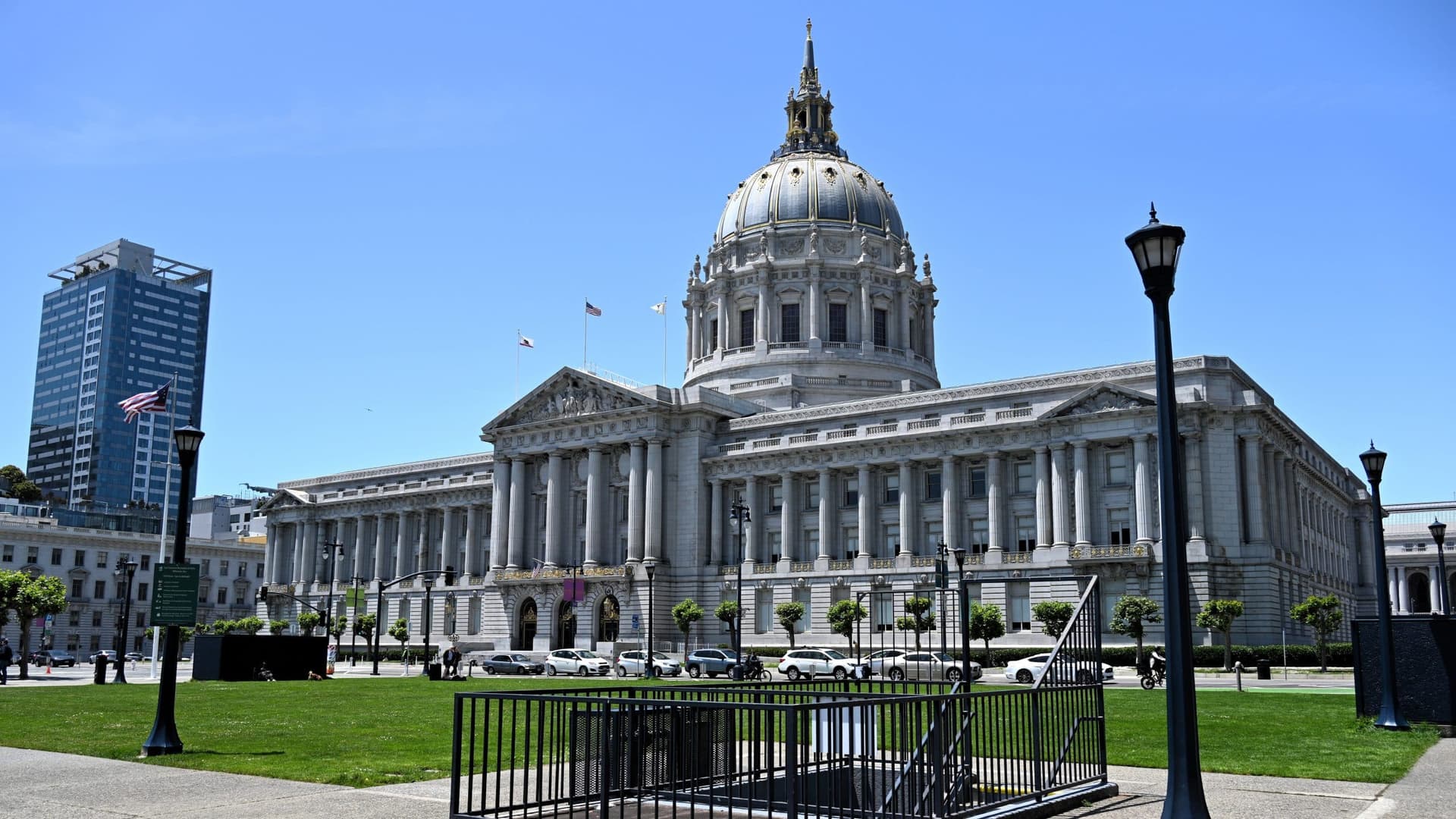
Citing health and safety codes as the main bureaucratic obstacle, Board of Supervisors President Rafael Mandelman introduced an ordinance Monday at City Hall to bring Amsterdam-style cannabis cafés to San Francisco, more than a year after California made the concept legal at the state level.
The move to enact AB 1775 locally would amend the city's health, police, planning, business, and tax codes to allow licensed cannabis retailers to prepare and sell non-infused food, nonalcoholic beverages, and host ticketed live performances in designated on-site consumption areas. The planning code revisions would go further: under the proposal, cannabis retail lounges could occupy more than one-third of a retailer's premises, and the city could permit entirely new cafés where cannabis is sold exclusively for on-site consumption rather than to take home.
"Cannabis cafes are going to be part of San Francisco's recovery," Mandelman said at a Monday press conference. In a written statement, he added that "with additional taxes and increased competition from the illegal market, this is a common-sense change for San Francisco's legal cannabis retailers."
The rollout would be phased, with existing licensed retailers getting priority access to the new permits. "We want to help the existing businesses, the existing legal businesses that are actually struggling," Mandelman said. "We're giving them a little bit of a head start in terms of applying for these permits, but we also want to make sure that there are actually cannabis cafes and that if none of the existing retailers take advantage of it than maybe someone out there will."
Assemblymember Matt Haney, whose 2024 state bill cleared the legal path for such cafés, framed the ordinance as urgent economic medicine. "If we don't innovate and adapt like we are doing today, we risk watching California's legal cannabis industry continue to collapse," Haney said. "This has tremendous value in jobs and revenue for our state."
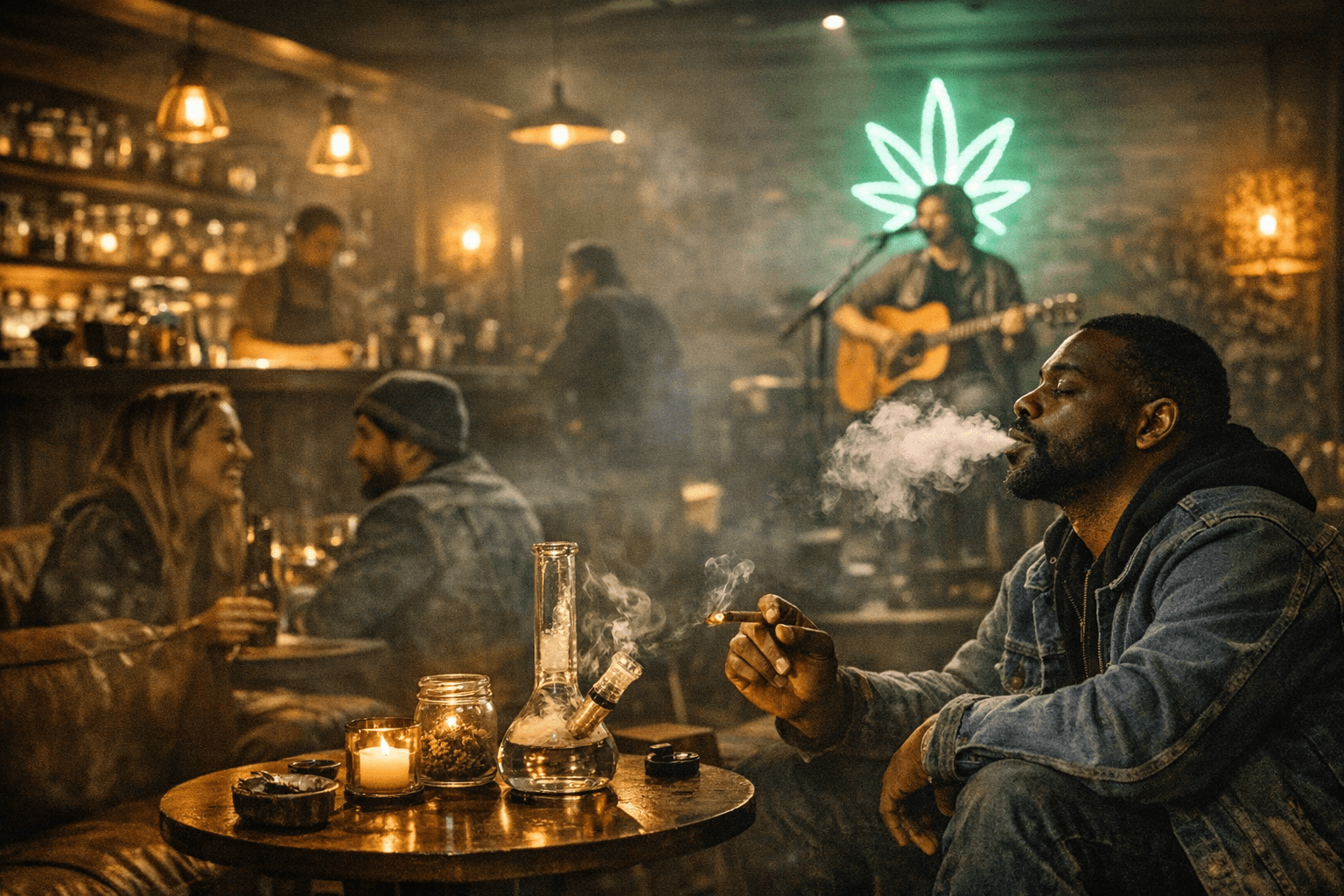
Drakari Donaldson, co-owner of California Street Cannabis Company, which operates multiple locations across the city, said the cafés could help legal sellers "offer a better experience and compete in a 'very challenging market.'" Will Dolan, who owns cannabis businesses in the Outer Sunset and Mission districts, described the concept as "a space at the crossroads of cannabis and hospitality" where "the community can gather, consume cannabis and enjoy such things as coffee, light bites, a snack, and entertainment such as music and standup comedy."
The ordinance would prohibit on-site sale or consumption of alcohol and tobacco and require clear signage marking consumption areas, staff training on secondhand smoke and ventilation, and a ban on loitering at café sites. Mandelman credited Ben Van Houten, the city's Director of Nightlife Initiatives, with amending existing legislation to reduce regulatory obstacles and "clear the path to open real cannabis cafes."
San Diego, West Hollywood, and Sacramento already operate cannabis cafés under their own local frameworks. Hoodline noted that if San Francisco adopts the ordinance, the city would become one of the larger California cities to formally codify how cannabis hospitality works on the ground.
The ordinance now heads into the standard City Hall process: committee hearings, public comment periods, and a full Board of Supervisors vote before any rules take effect. City departments are expected to define specific ventilation, filtration, and permitting standards in coordination with the Department of Public Health and labor groups, with officials indicating they would also solicit input from neighbors and business owners as the ordinance language is finalized.
Know something we missed? Have a correction or additional information?
Submit a Tip