SFMTA probes July Fourth traffic gridlock after fireworks crowd surge
Half-mile bus lines and crippling gridlock followed San Francisco’s July Fourth fireworks, and SFMTA is now reviewing what failed at the waterfront.
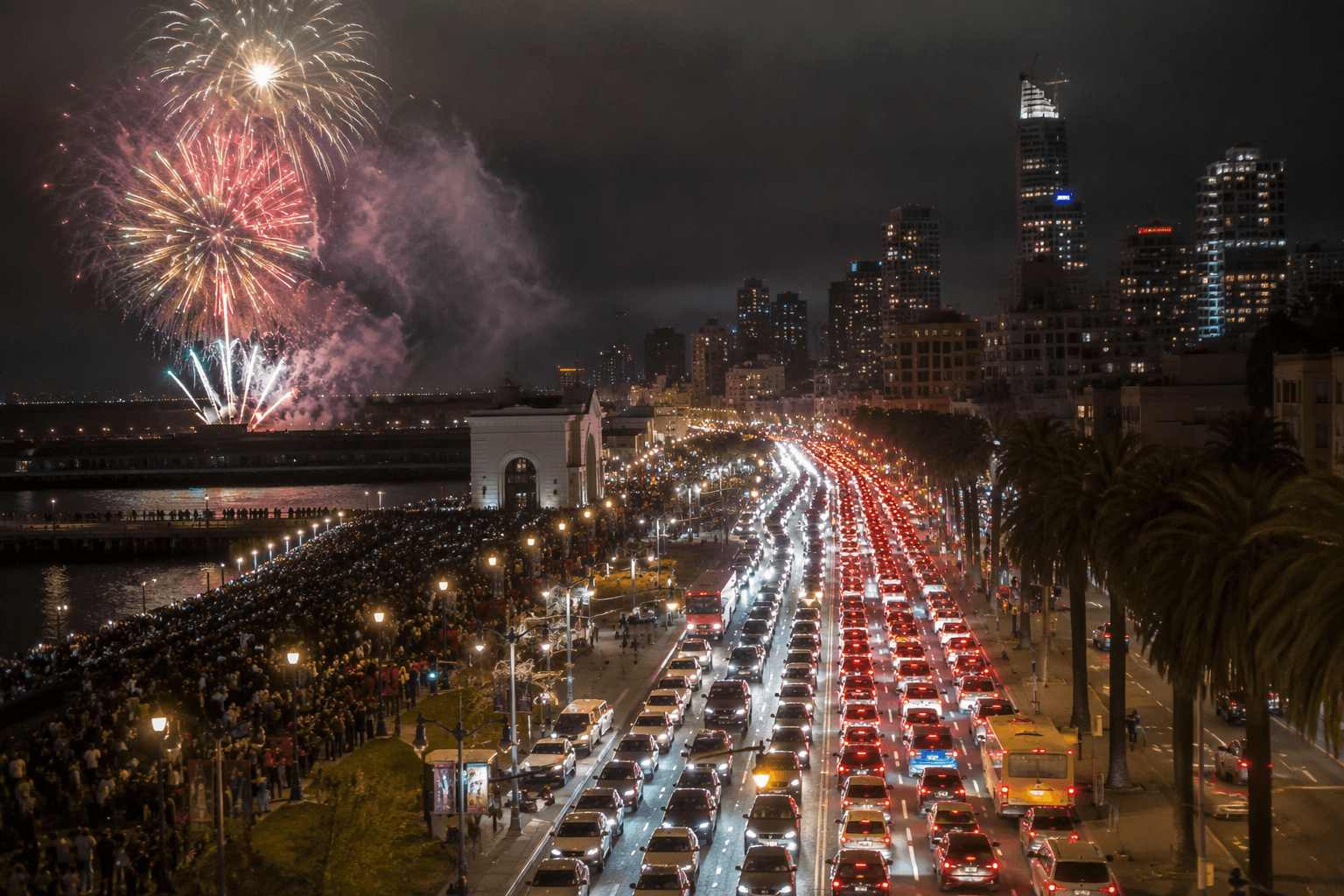
San Francisco transit agencies are reviewing the July Fourth transportation breakdown that left half-mile bus lines and crippling gridlock around the waterfront after the fireworks. People trying to leave the city’s festival zone faced long waits as Muni, street access and post-show egress buckled under the holiday surge. Mayor Daniel Lurie called the problems “unacceptable” and said they had to be addressed before Fleet Week.
SFMTA had warned before the celebration that the record volume of attendees along the waterfront would cause significant delays when the fireworks ended. The agency told people to walk or bike, use taxis or rideshare, or stay in waterfront bars and restaurants until congestion eased, a sign that officials expected the area around the Municipal Pier and Pier 39 to be overwhelmed once the show ended.
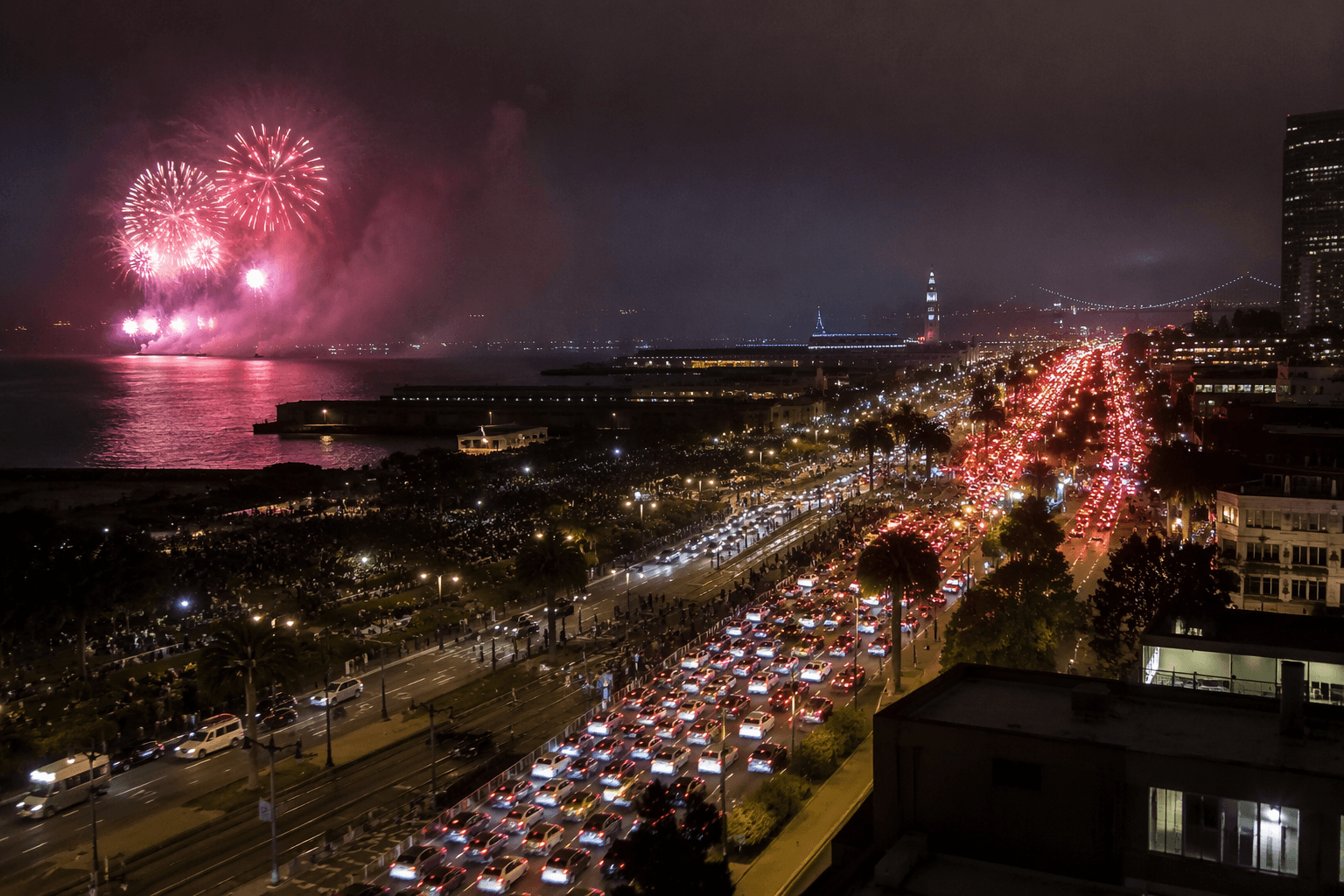
The agency’s event plan had called for the annual Independence Day Fireworks Celebration to start at 2 p.m. along the waterfront, with the fireworks set for 9:30 p.m. and lasting about 20 minutes. SFMTA said Muni would run on a special schedule from 2 p.m. to midnight, and street closures were planned from July 3 at 6 a.m. to July 5 at 5 a.m. In a separate fireworks notice, the agency said the show would be launched from the Golden Gate Bridge, only the third time in history that fireworks had launched from the span.
After the holiday, the scale of the crowd became clearer. The mayor’s office estimated 100,000 people came to San Francisco on July 4, and people leaving the waterfront encountered the worst of the failure: long waits, heavy traffic and buses trapped in the same congestion as cars and pedestrians. The result exposed how dependent the city’s waterfront celebrations are on a transit network that can move a crowd out as quickly as it brings one in.
For the next major waterfront event, the test will be simpler and more visible: whether Muni can handle the surge, whether bus lines stay moving, whether street closures are matched by real traffic control, and whether people can get home without the kind of gridlock that made this Fourth of July a public embarrassment.
This article was produced by Prism’s automated news system from verified source data, official records, and press releases, then run through automated quality and moderation checks before publishing. The system is built and supervised by the people who set the standards it runs under. Read our full AI policy.
Did this article answer your question?