SFUSD says chronic absenteeism remains high, targets still unmet
One in five SFUSD students was chronically absent last year, with rates topping 75% for American Indian students and 52.7% for Black students.
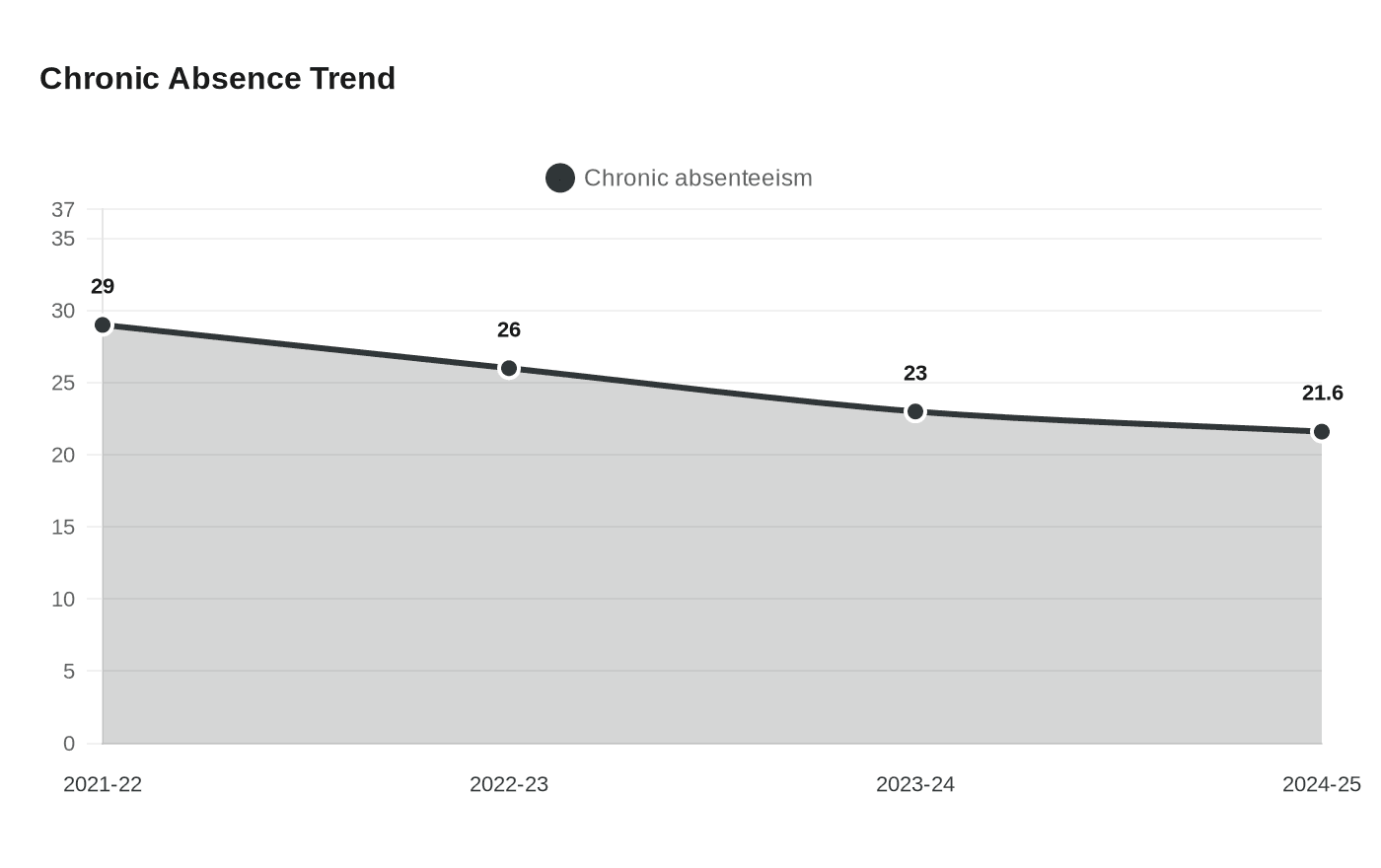
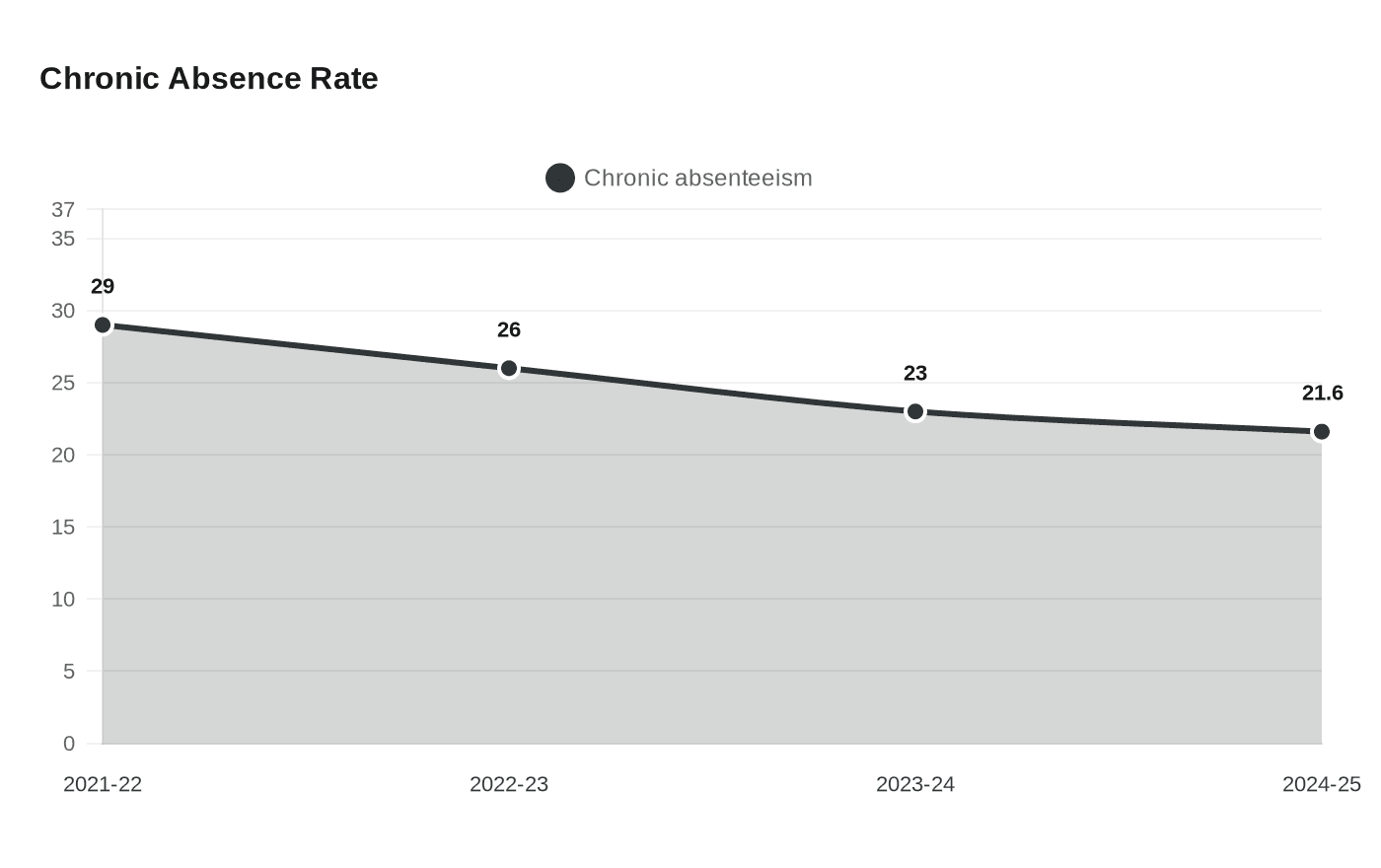
SFUSD’s newest attendance numbers put hard edges on a problem families already feel in the classroom: one in five students was chronically absent last year, and the gap was far wider for some groups than for others. The district’s dashboard shows chronic absenteeism at 21.6 percent in 2024-25, above SFUSD’s 20 percent target and far above the levels that trigger academic risk under state standards, which define chronic absence as missing 10 percent or more of instructional days.
The heaviest burden fell on students who already face the greatest barriers to steady attendance. The dashboard shows chronic absenteeism at 52.7 percent for Black students, 75.4 percent for American Indian students, 60 percent for foster youth, 60.4 percent for Pacific Islander students, 41.4 percent for homeless students, 34.3 percent for Hispanic students and 34.2 percent for students with disabilities. For those families, the metric is not abstract. It means missed lessons, missed reading and math practice, and a greater chance of falling behind in a district that says it serves about 50,000 students.
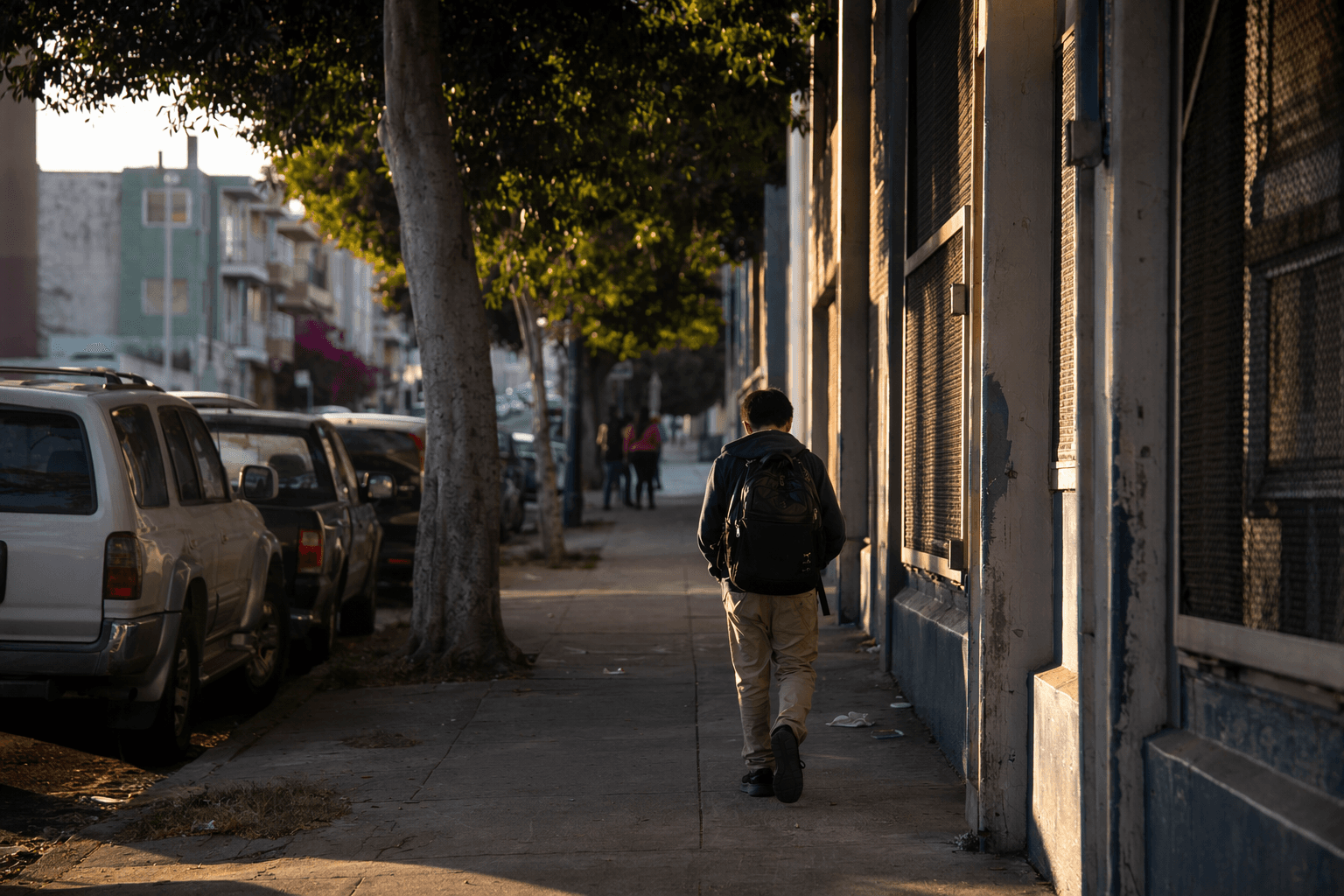
SFUSD had previously reported progress, saying chronic absenteeism fell from 29 percent in 2021-22 to 26 percent in 2022-23 and then to 23 percent in 2023-24. But the latest dashboard showed a 1.4 percentage point increase from the prior year, a setback that undercuts the district’s attempt to show momentum. UC Berkeley researchers also found that roughly one in five SFUSD students was chronically absent last year, up from about one in eight before the pandemic.
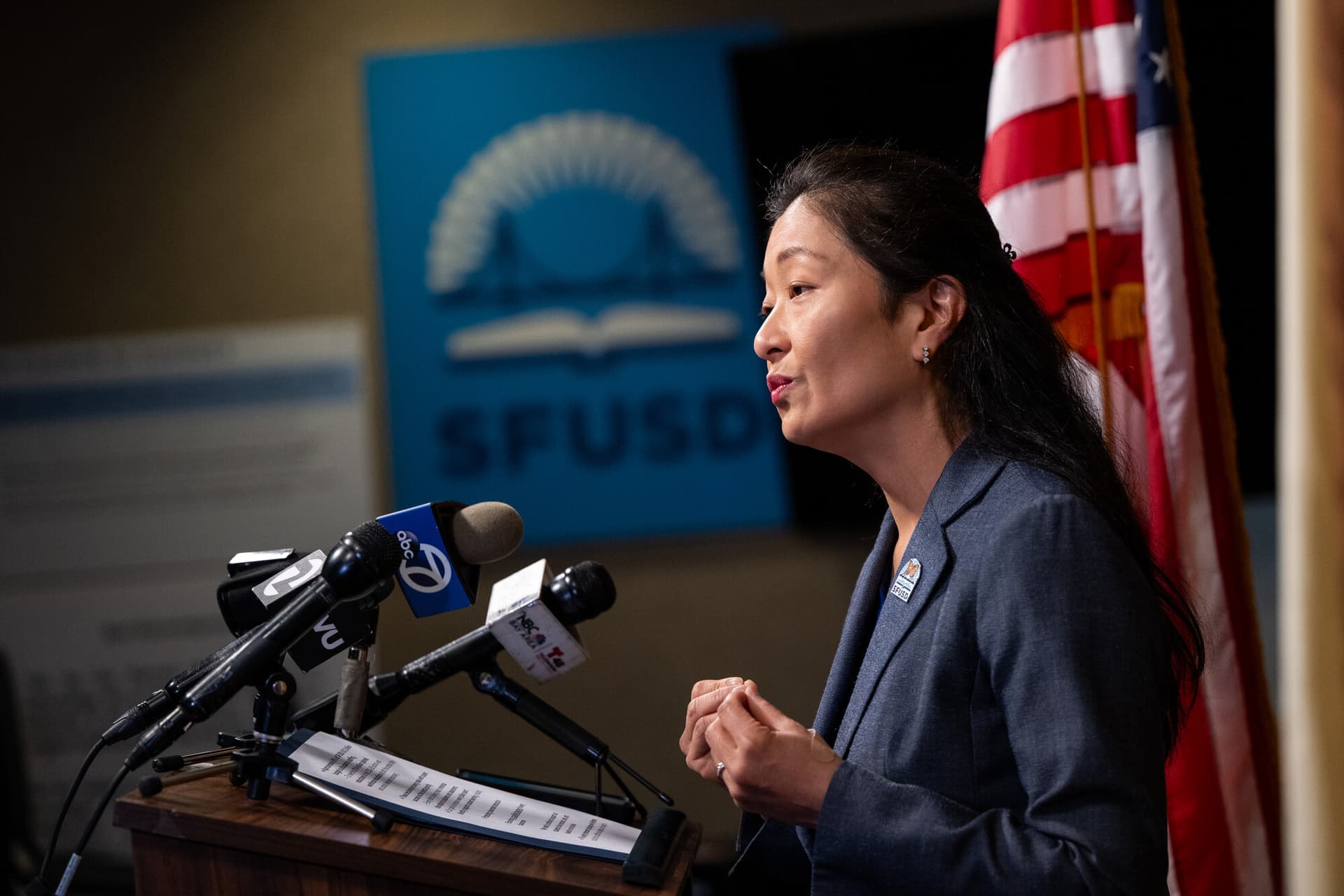
The district’s near-term response has centered on attendance outreach. On Aug. 12, 2025, SFUSD and SPARK SF Public Schools launched the citywide Be Here! campaign to push stronger school attendance. That effort now sits alongside a broader leadership reset under Dr. Maria Su, who was appointed superintendent on Oct. 22, 2024, and later received a contract extension through June 2028 from the San Francisco Board of Education.
The attendance problem lands in a district already trying to rebuild trust with families. SFUSD policy allows a Williams complaint over insufficient textbooks and instructional materials, a reminder that old classroom materials are not just a symbolic complaint but a formal grievance issue under state law. The district says a 2024 voter-approved bond is intended to fund safety, modernization and healthy school meals, which makes classroom conditions, not just enrollment or test scores, part of the public test now facing San Francisco’s school system.
This article was produced by Prism’s automated news system from verified source data, official records, and press releases, then run through automated quality and moderation checks before publishing. The system is built and supervised by the people who set the standards it runs under. Read our full AI policy.
Did this article answer your question?