SFUSD scales back Mandarin immersion school before launch
Families expecting SFUSD’s first Mandarin immersion school got a smaller plan instead: four classrooms and 88 seats, not nine classes and 198 seats.
Families who had counted on San Francisco Unified’s first Mandarin-language school were left with fewer seats and a longer wait after the district scaled back its launch plan before the program even opened. What had been pitched as a nine-class, 198-seat campus was reduced to four classrooms and 88 seats, a change that immediately sharpened concerns about access, trust, and whether SFUSD can deliver the language pathways it has promised.
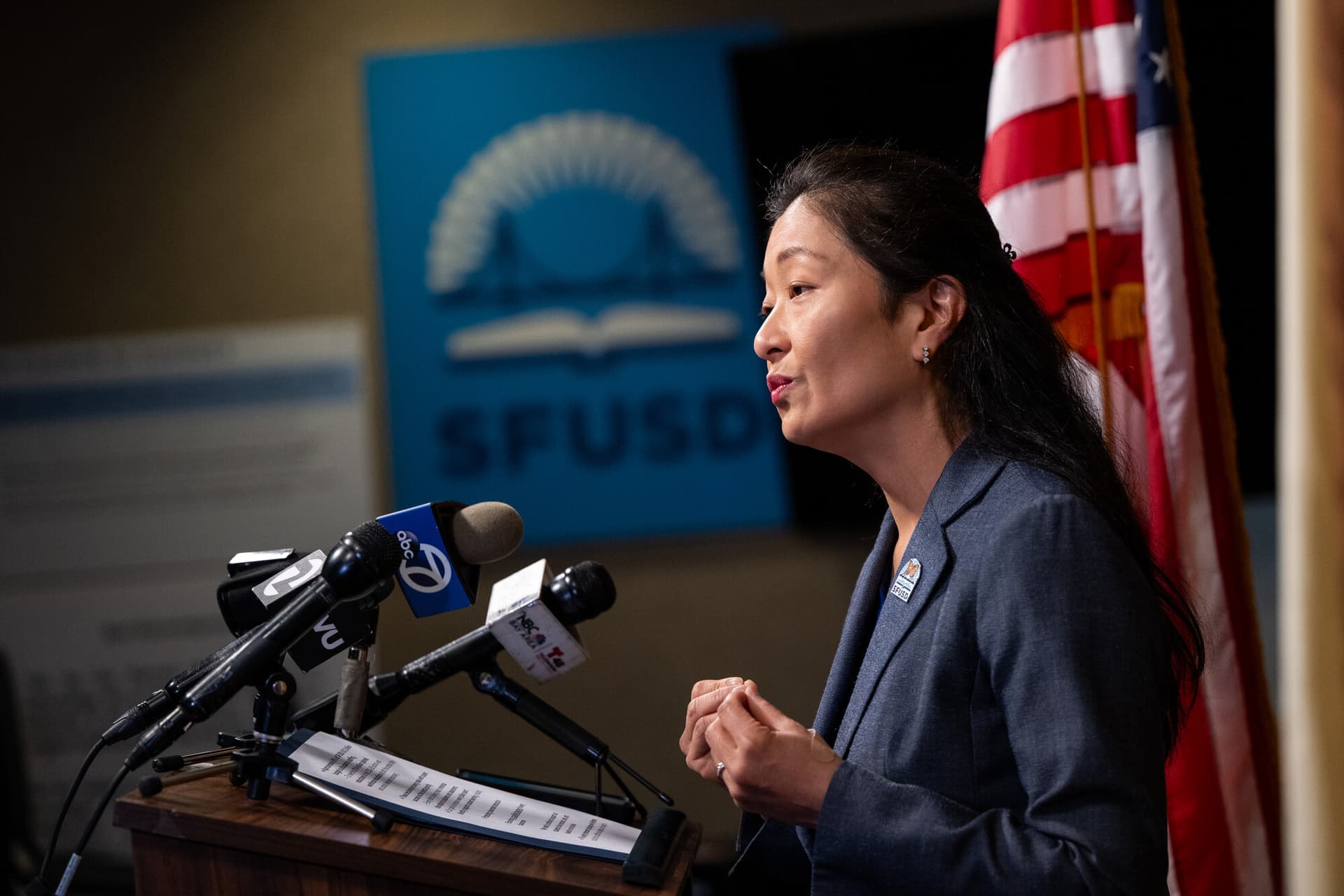
SFUSD communications director Hong Mei Pang presented the smaller concept at a Sunset town hall at Ulloa Elementary, where the district said it was now considering one Transitional Kindergarten class in fall 2027 and three kindergarten classes. The school is still expected to open for the 2027-28 school year, but the rollback means many more families will remain outside the doorway of a program that was supposed to expand opportunity.
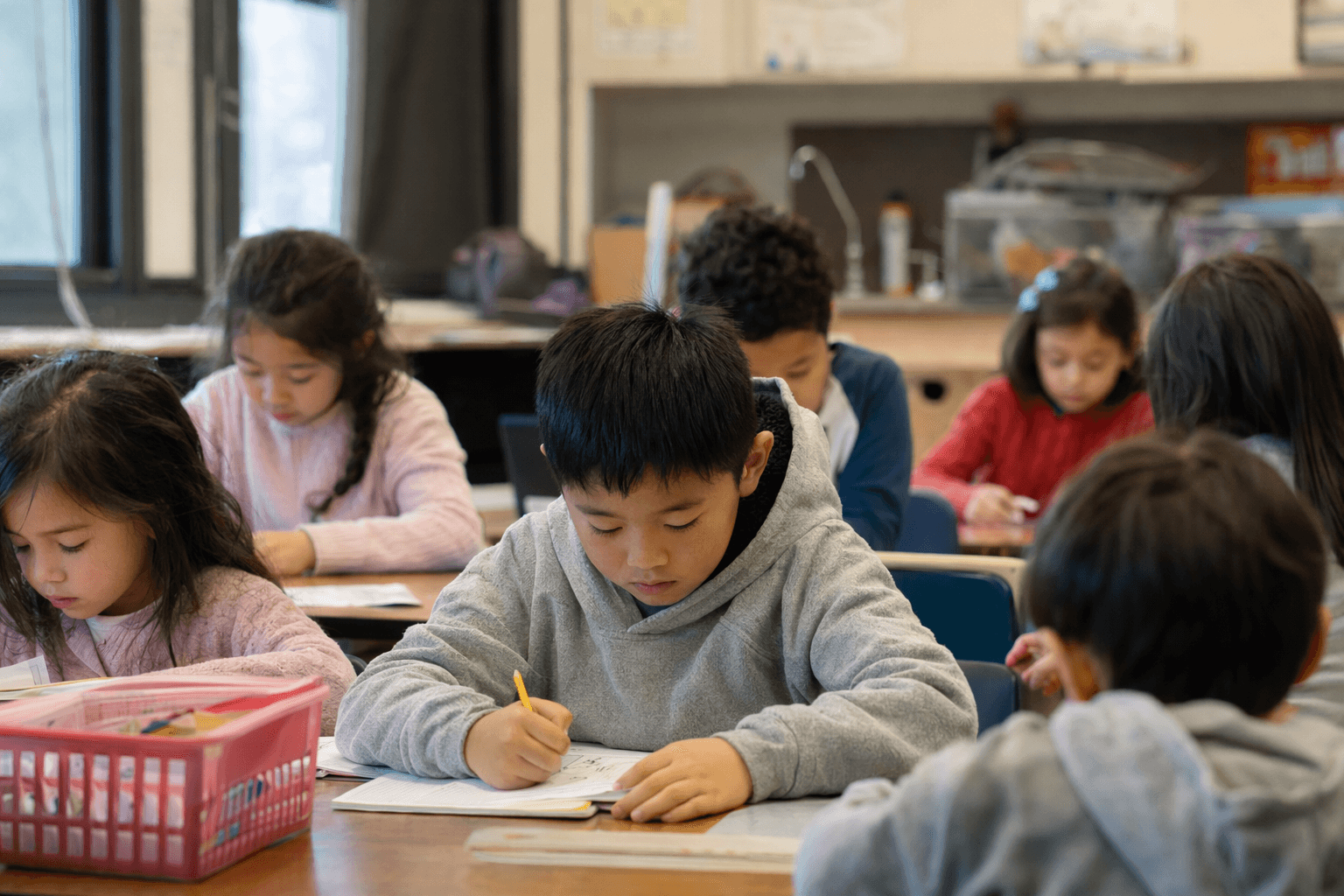
The cutback landed hard because demand for Mandarin immersion in the city has outpaced supply for years. SFUSD’s existing Mandarin immersion elementary programs at Starr King Elementary School and Jose Ortega Elementary School together offer about 66 seats per grade, and waitlists have persisted through fifth grade. In one recent year, more than 80 families were on the kindergarten waitlist at Jose Ortega alone. Advocates say the district’s current K-8 pathway, which includes Aptos Middle School, still leaves many families without a seat.
Friends of the SF Mandarin School says more than 700 families have expressed interest in the new district school, underscoring how much pressure had built around the launch. For many parents, the issue is not just one campus but whether public education in San Francisco can provide a real Mandarin pathway without forcing families into private schools or long waitlists.
The district first announced the wall-to-wall TK-8 Mandarin Dual Language Immersion school in July 2025 as part of a broader effort to expand Chinese bilingual education and strengthen bilingual-teacher pipelines. SFUSD said the project is being supported by philanthropic funding through Spark SF Public Schools and the San Francisco Foundation, via the Lois M. Meyer Fund. Liana Szeto, founder of Alice Fong Yu Alternative School, the nation’s first Chinese immersion public school, is slated to serve as special advisor starting in January 2026.
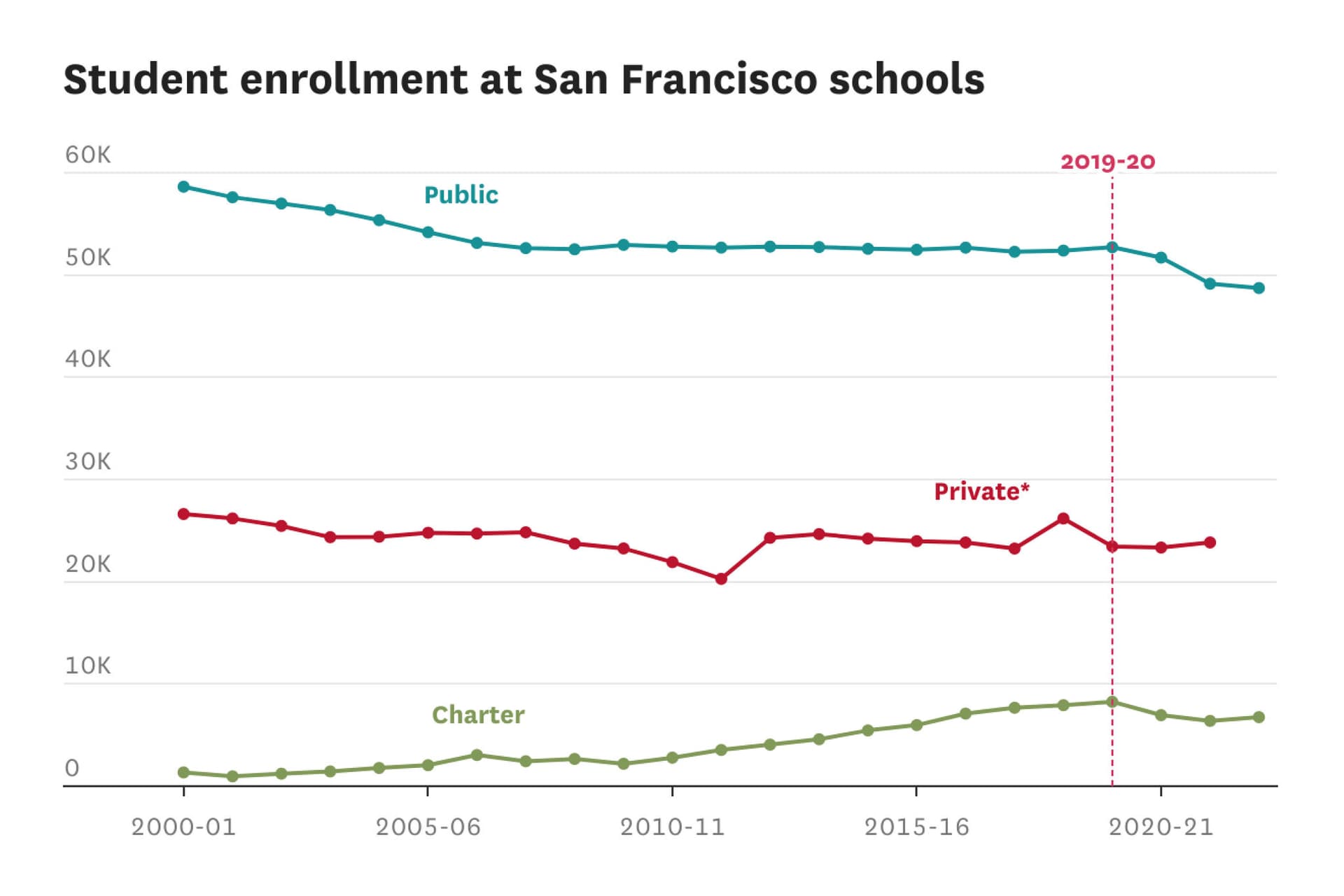
The smaller opening also carries political weight. SFUSD has faced years of layoffs, strike fallout, budget gaps, and questions about whether it can retain families and stabilize enrollment. The Board of Education rejected a parent-led charter proposal, Dragon Gate Academy, by a 7-0 vote in August 2025, citing concerns about the educational model, limited community support, and the district’s financial strain. That proposal grew out of frustration that SFUSD had not expanded Mandarin options fast enough.
Advocates now say the next major test comes in September 2026, when the board is expected to formally approve the new school. For families who planned around a larger launch, the smaller footprint has already become a warning sign about how much of SFUSD’s ambitious bilingual promise will make it from plan to classroom.
This article was produced by Prism’s automated news system from verified source data, official records, and press releases, then run through automated quality and moderation checks before publishing. The system is built and supervised by the people who set the standards it runs under. Read our full AI policy.
Did this article answer your question?