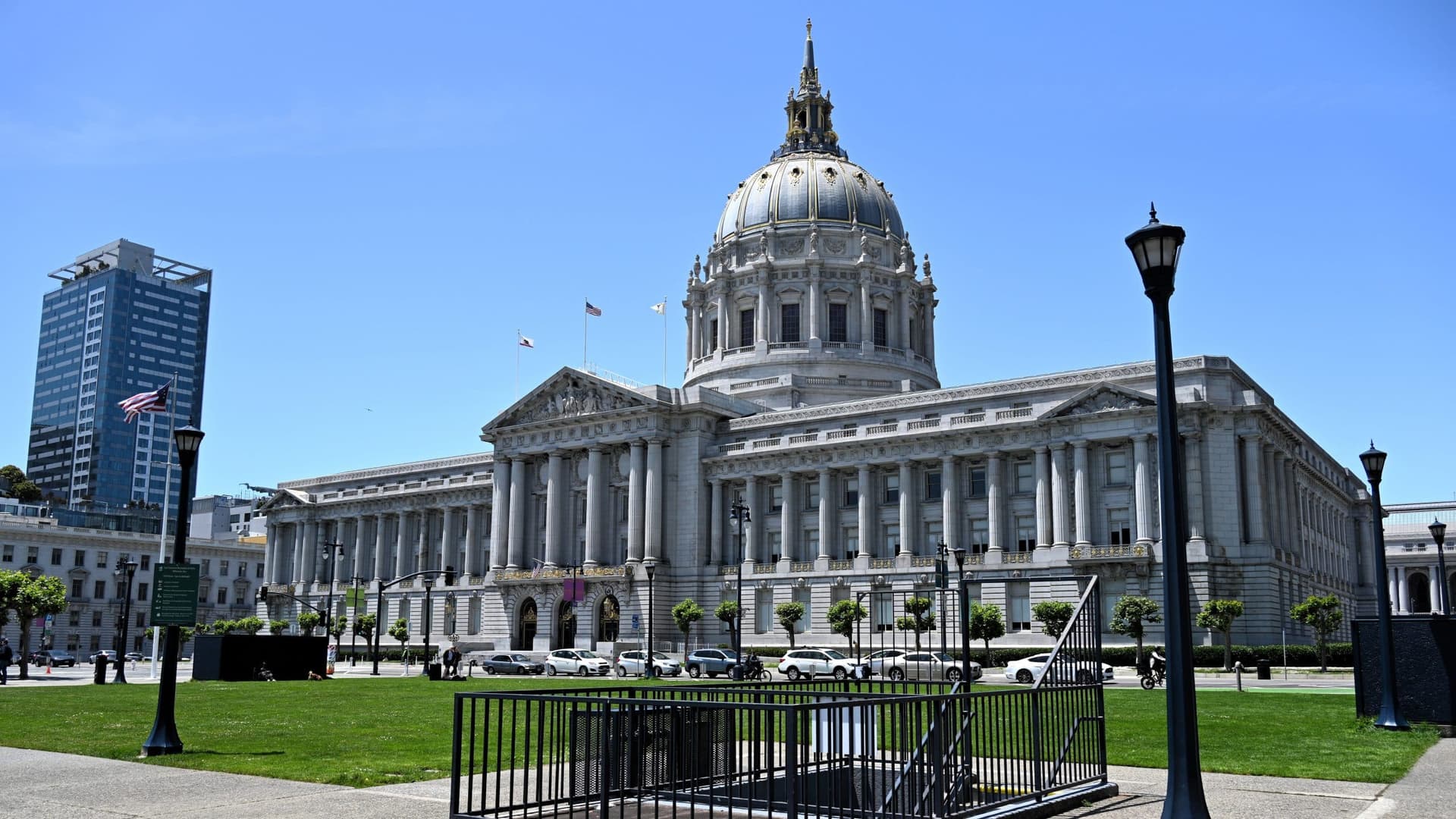
Supreme Court Rejects GOP Challenge, Clears California's New Congressional Map
Supreme Court denied a GOP emergency bid, letting California use its voter-approved congressional map; the decision shapes candidate filing and could shift up to five House seats.
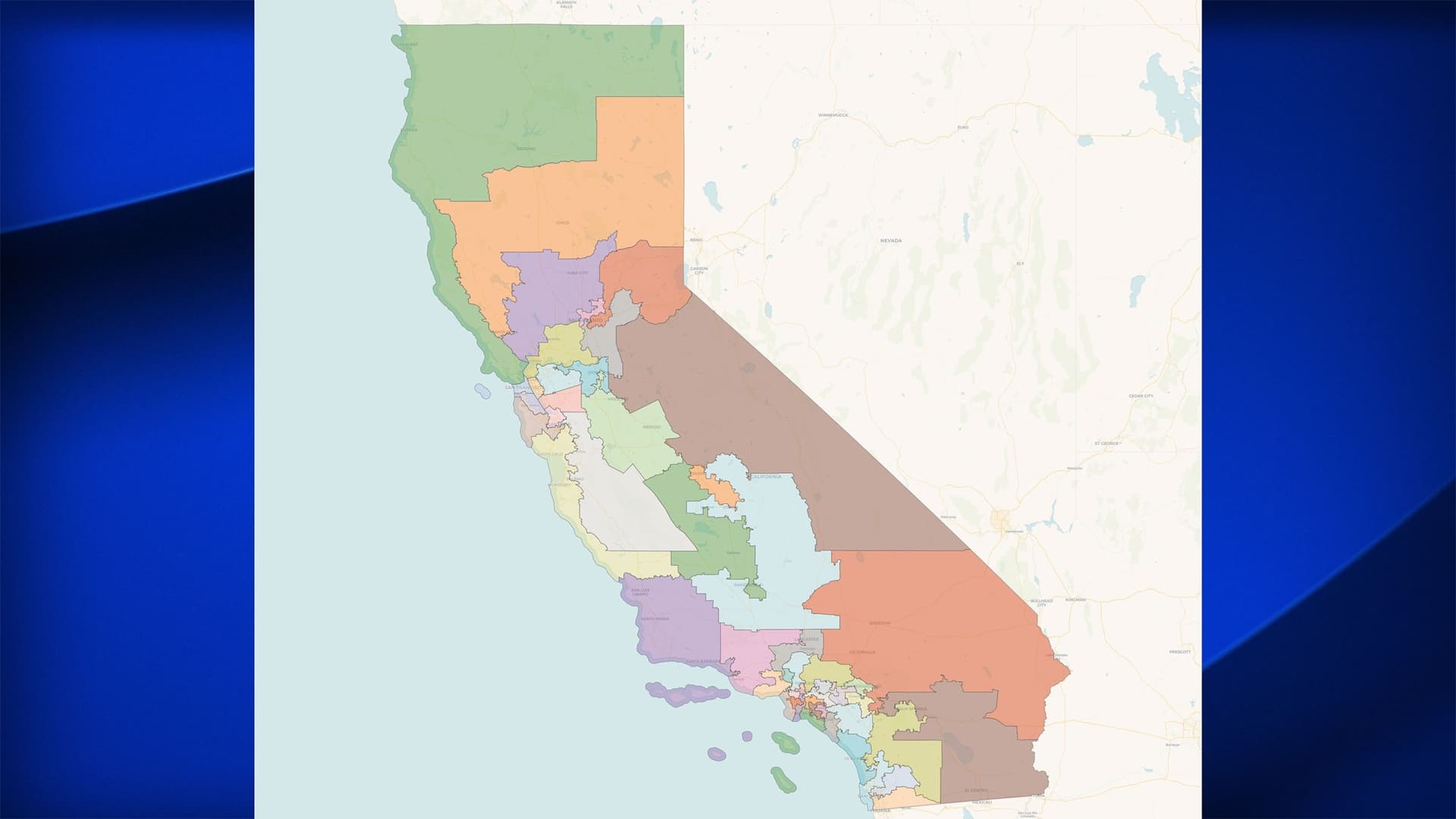
The U.S. Supreme Court refused an emergency request from the California Republican Party to block California’s new congressional map, clearing the way for the state to use the voter-approved plan in the midterm elections. The short, unsigned order gave no explanation or vote count and left the map in place ahead of the March filing window and June primary.
The emergency application came after voters approved Proposition 50 last November, a ballot measure that “allow[ed] the state's Democratic leaders to temporarily replace the state's congressional map to help Democrats win five additional U.S. House seats.” The California Republican Party, joined by the Trump Justice Department, sued in federal court alleging the map illegally relied on race. A federal district court refused to block the plan, concluding the lines were drawn on a partisan basis, not a racial one.
The Supreme Court’s unsigned order, issued Feb. 4, 2026, provided no reasoning or recorded votes, a practice the court often follows for emergency decisions. The denial follows a December high court decision that permitted Texas to use a new Republican-drawn map; in that decision Justice Samuel Alito wrote that both Texas and California appeared to have adopted new congressional maps “for political advantage,” and that such political motivation could not be the basis for a federal lawsuit. A CBS political analyst summarized the current action by saying the decision “really wasn't a surprise to many people,” while noting uncertainty about the future of these maps beyond 2026.
The timing of the court’s action matters to California campaigns. Republicans had asked the justices to step in by Feb. 9. Candidate filing opens ahead of a March 6 deadline, and the state primary is scheduled for June 2. With the map intact, campaigns will proceed under the new lines for candidate declarations, ballot access and primary planning.
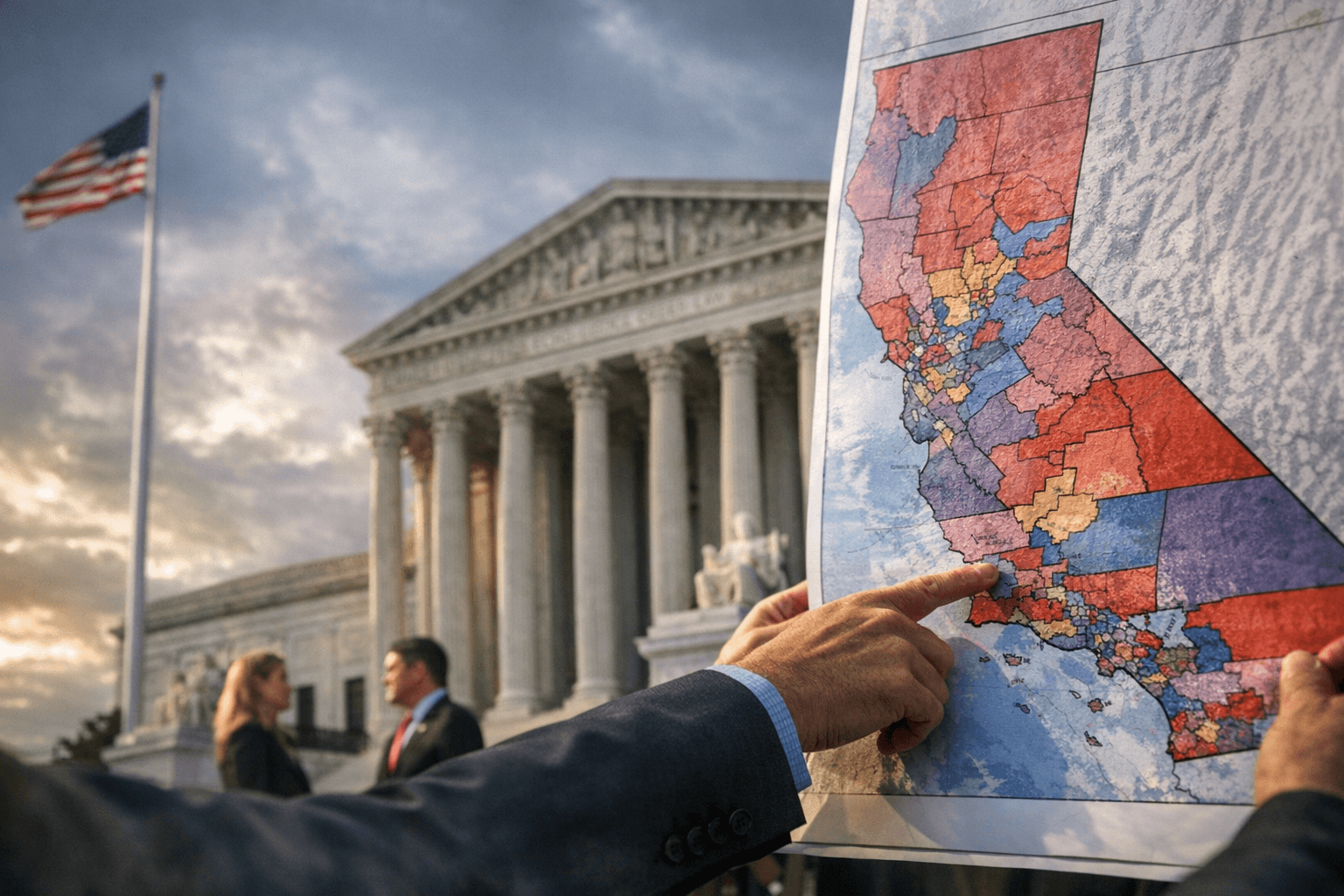
Local voters in San Francisco County will feel the effects indirectly through shifts in the statewide delegation and in neighboring regions. The new map is designed by its backers to reshape competitive districts and potentially add five Democratic seats to California’s U.S. House delegation. One race highlighted as potentially competitive under the new lines is California’s 48th Congressional District in San Diego County, currently represented by Rep. Darrell Issa. A CBS analyst noted that “Darrell Issa has campaigned hard; he usually has resources at his disposal, and he might be one of the guys that survives.”
The denial closes the immediate door to a pre-election block, but legal fights over mid-decade redistricting are active in multiple states. Utah and Virginia face separate litigation over their maps, and parties in Florida and Maryland are pursuing plans that could shift several seats. For San Francisco voters, the practical implications are clear: the statewide map that will govern filing and primaries remains in force, and the composition of California’s congressional delegation could change by as many as five seats. Expect campaigns to finalize candidate slates ahead of March 6 and for further legal and political maneuvering to continue after the primary.
Know something we missed? Have a correction or additional information?
Submit a Tip