Tiburon Bookkeeper Charged With Stealing Over $1 Million From SF Family Business
A Tiburon bookkeeper allegedly created fake employee profiles for years to steal $1 million from a San Francisco family business, prosecutors say.
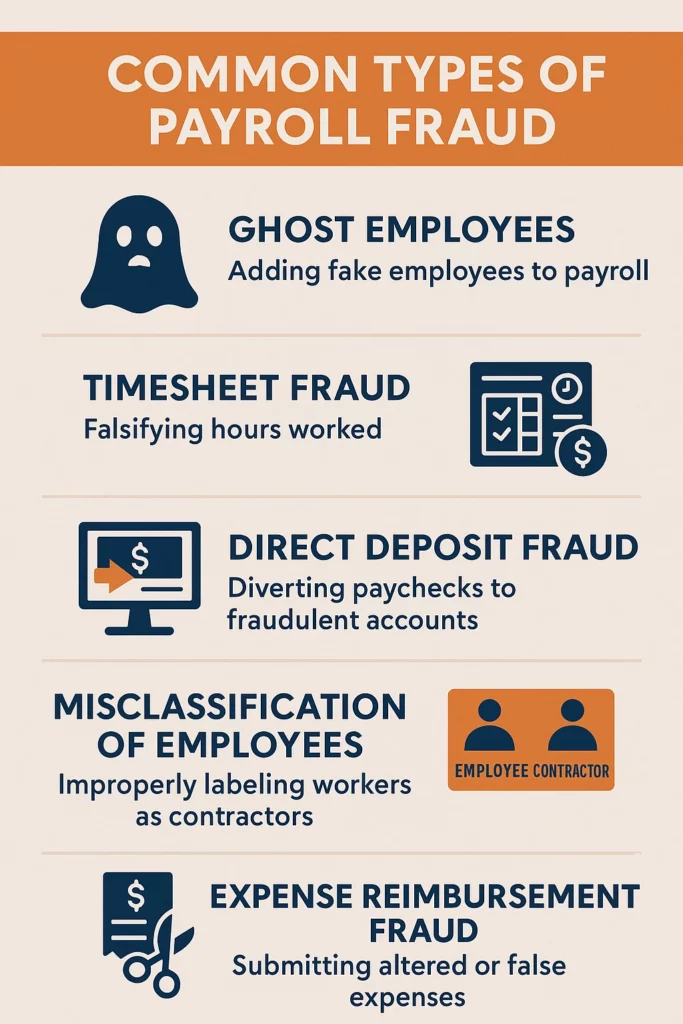
The paychecks kept clearing, cycle after cycle, for years. Inside a small, family-run San Francisco business, nobody noticed that some of them were going to employee profiles that prosecutors now say Lilian Elizabeth Williams created herself.
Williams, 52, of Tiburon, faces three felony counts of grand theft after the San Francisco District Attorney's Office announced charges against her on March 23. Prosecutors allege she exploited her role as the company's bookkeeper beginning in 2018, using her access to payroll and accounting systems to generate unauthorized payments through duplicate employee profiles and manipulated payroll entries. Some of those payments were labeled as loans or reimbursements, investigators say; none were authorized by the business owners. By the time the scheme allegedly ran its course, more than $1 million had been drained from the company.
Williams was arraigned earlier in March and pleaded not guilty.
The alleged duration, roughly seven years, is what makes the case particularly striking. Payroll fraud of this type rarely surfaces on its own. It typically requires an external audit, a forced handoff of duties, or a mandatory vacation policy that briefly removes the perpetrator from managing the accounts they have manipulated. Prosecutors plan to lean on the paper trail: accounting records, payroll audits, bank transfer histories, and testimony from both the business owners and forensic accountants who reconstructed what allegedly happened.

Grand theft under California Penal Code 487 is a felony, and the DA's office attached special allegations tied to the size of the loss, which increases Williams' sentencing exposure substantially if she is convicted. Prison time, fines, and a restitution order are all on the table.
For the family that owns the business, restitution remains uncertain even in a best-case criminal outcome. Court orders are only as good as the defendant's collectible assets, and civil recovery litigation adds its own costs to a company already absorbing the financial hit. The practical damage of losing $1 million over seven years goes beyond the dollar figure: operating capital depleted, payroll trust shattered, and years of books requiring forensic untangling.
The case will move through pretrial hearings and evidentiary motions before reaching trial, unless a plea agreement is struck first. Segregating payroll duties, requiring dual approvals on disbursements, and scheduling independent audits are not optional safeguards for small employers working with limited finance staff. They are the controls that make schemes like this one detectable before they compound for years.
This article was produced by Prism’s automated news system from verified source data, official records, and press releases, then run through automated quality and moderation checks before publishing. The system is built and supervised by the people who set the standards it runs under. Read our full AI policy.
Did this article answer your question?

