Top California governor candidates debate housing, safety, tech in San Francisco
Six top California governor candidates met in San Francisco as ballots neared, turning the race into a test of who can speak most clearly to housing, safety and tech.
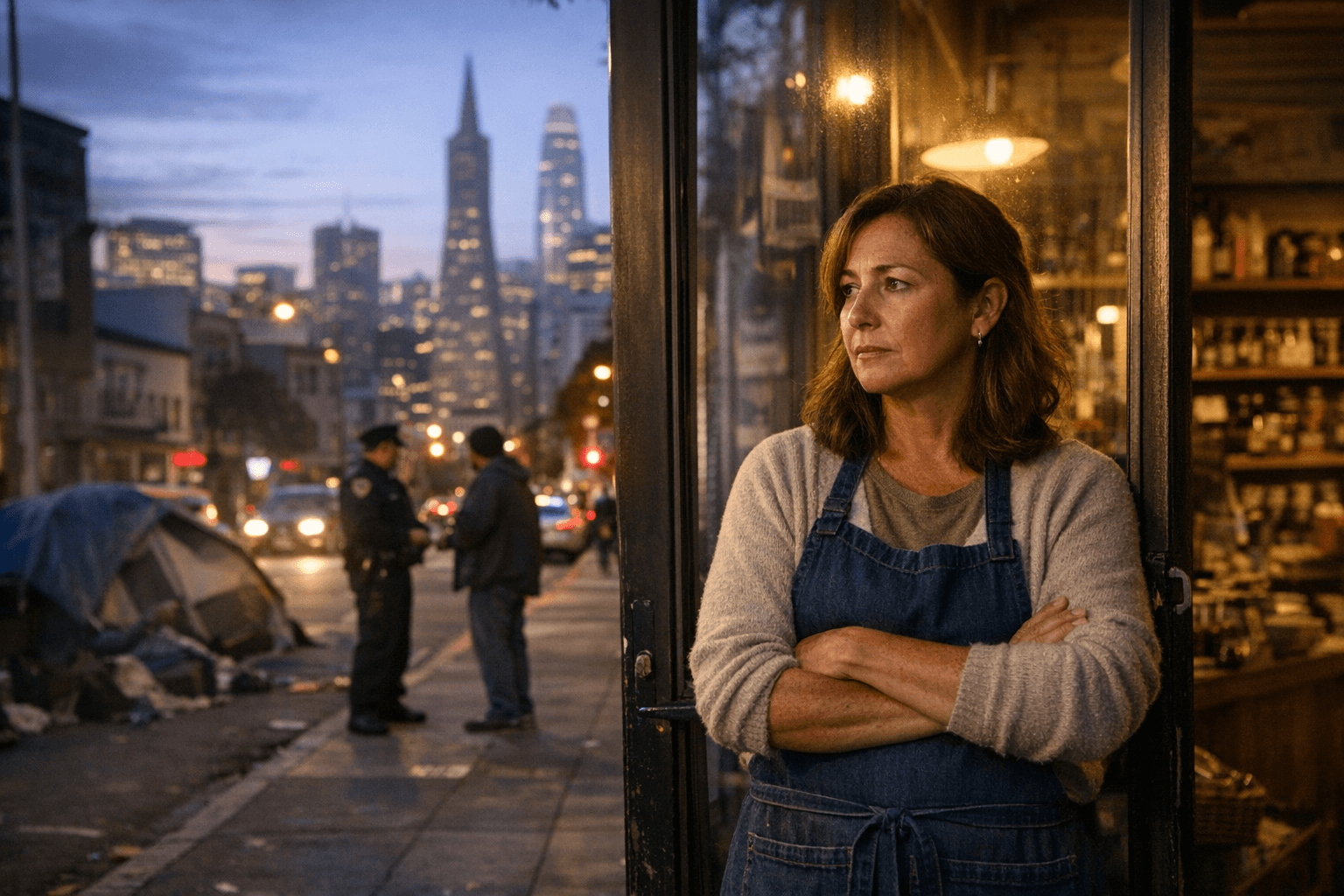
Six of California’s top-polling governor candidates squared off in San Francisco on Wednesday night, giving voters their first major look at a race that remains unsettled and could shape how the state handles housing, public safety and technology. The debate, hosted by Nexstar and KRON in San Francisco, came after former East Bay Congressman Eric Swalwell and former state controller Betty Yee dropped out of the contest.
The lineup reflected a divided field. Four Democrats took the stage: former Congresswoman Katie Porter, former California Attorney General Xavier Becerra, San Jose Mayor Matt Mahan and billionaire philanthropist Tom Steyer. Two Republicans joined them: former Fox News commentator Steve Hilton and Riverside County Sheriff Chad Bianco. With no clear Democratic frontrunner, the event offered a chance for each candidate to separate from the pack before ballots go out in early May ahead of the June 2 primary.
The debate covered energy, homelessness, technology and other statewide issues, but its local significance was hard to miss in San Francisco. The city is wrestling with the same policy questions that were central onstage, especially the pressure of housing costs, the strain on public safety and the role state government will play in shaping the tech economy that still drives much of the Bay Area. Whoever wins the governorship will set the rules that city leaders have to operate under, from regulation to funding to the broader political climate around City Hall.
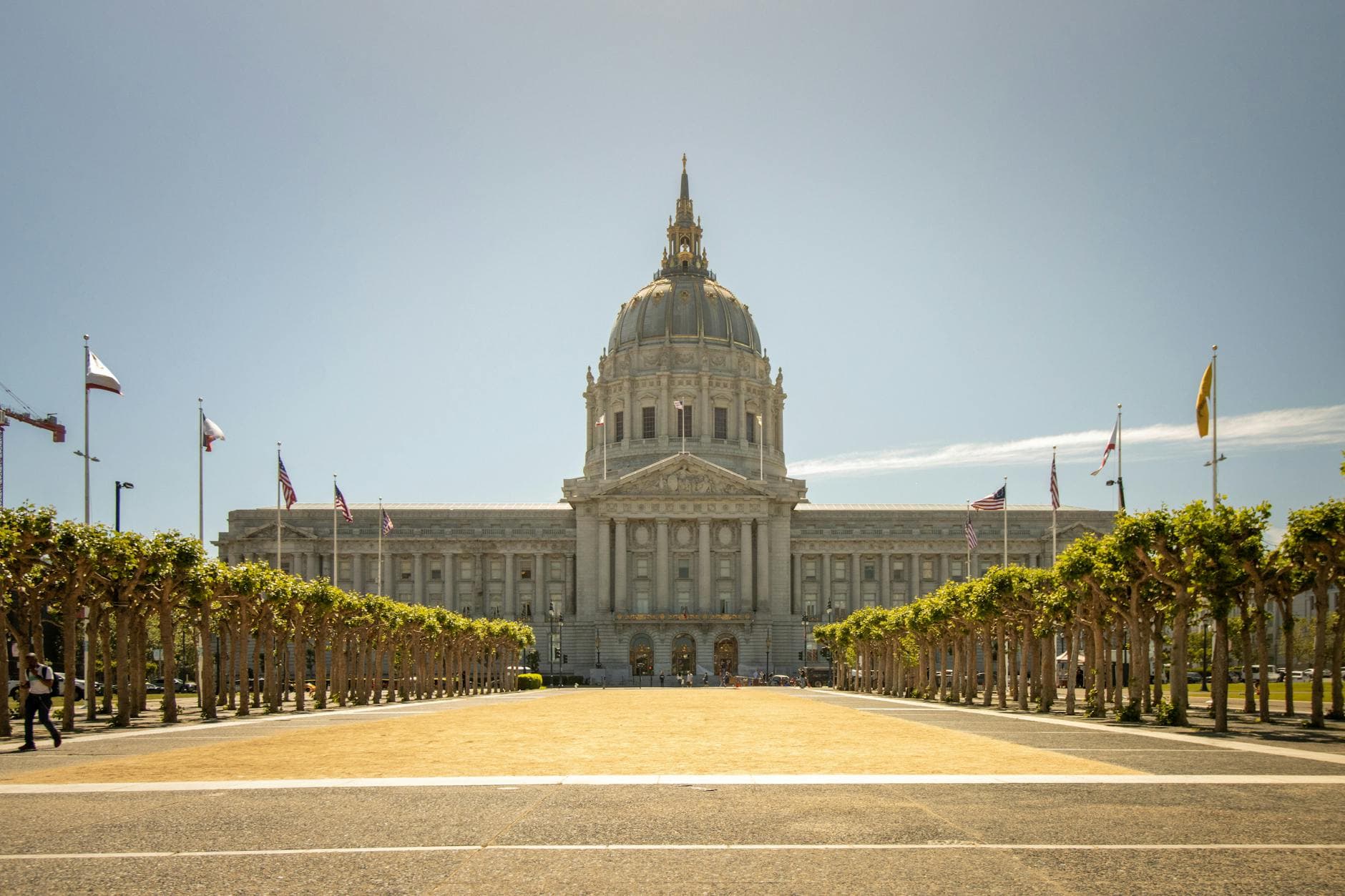
For San Francisco voters, the debate was less about abstract Sacramento politics than about who sounded most prepared to deal with the daily problems residents feel in neighborhoods from SoMa to the Richmond and the Mission. The race’s shape still looked fluid, and the absence of a clear front-runner made the San Francisco stage more important than a routine campaign stop. It was a reminder that the governor’s office will not only decide statewide policy, but also influence the choices available to local leaders facing budget pressure, service demands and a restless electorate.
With ballots set to begin arriving within weeks, the candidates now have a narrow window to define themselves before voters make up their minds. In a city where the stakes of state policy are felt quickly, from housing to downtown recovery to the tech sector, the San Francisco debate underscored how much of California’s political future is still up for grabs.
This article was produced by Prism’s automated news system from verified source data, official records, and press releases, then run through automated quality and moderation checks before publishing. The system is built and supervised by the people who set the standards it runs under. Read our full AI policy.
Did this article answer your question?