West SoMa sees slower police response times for low-priority calls
West SoMa residents say low-priority 911 calls can wait far longer than they should, with citywide Priority C responses averaging about 79 minutes.
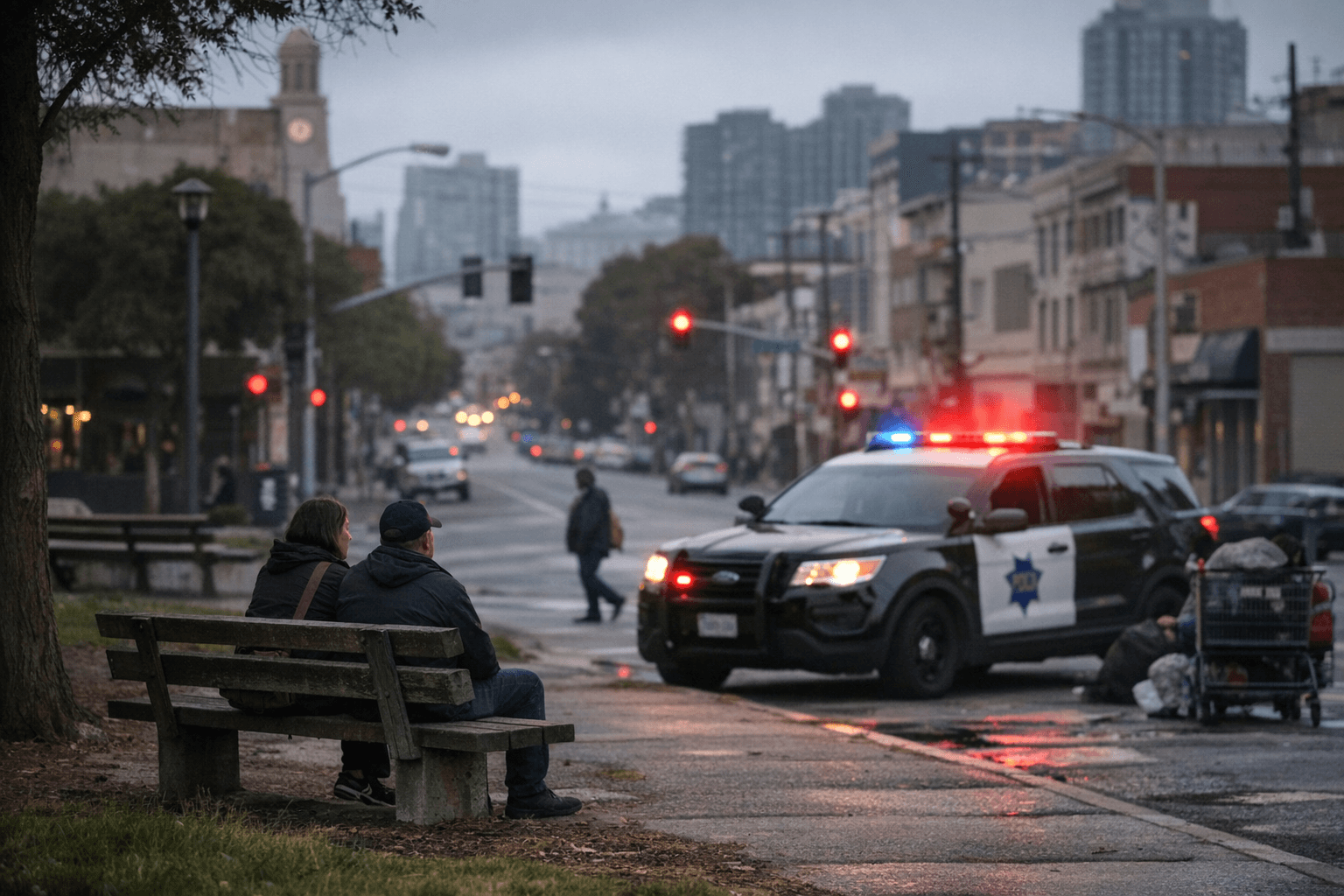
West SoMa resident Leah Edwards says the delay is the message: when theft, loitering, noise and vandalism pile up, help can feel far away. San Francisco’s own benchmark shows why neighbors are frustrated, with median response times of about 79 minutes for Priority C calls, compared with 21 minutes for Priority B and 7 minutes for Priority A.
The city measures police response time from the moment the Department of Emergency Management receives a 9-1-1 call until the first officer arrives on scene. The Office of the Controller says that reporting is meant to provide a snapshot of San Francisco Police Department emergency performance and is reviewed to improve response. On the city’s dashboard, Priority A, B and C calls are tracked by month using median response time, and district-level variation shows that some neighborhoods wait longer than others for low-priority calls.
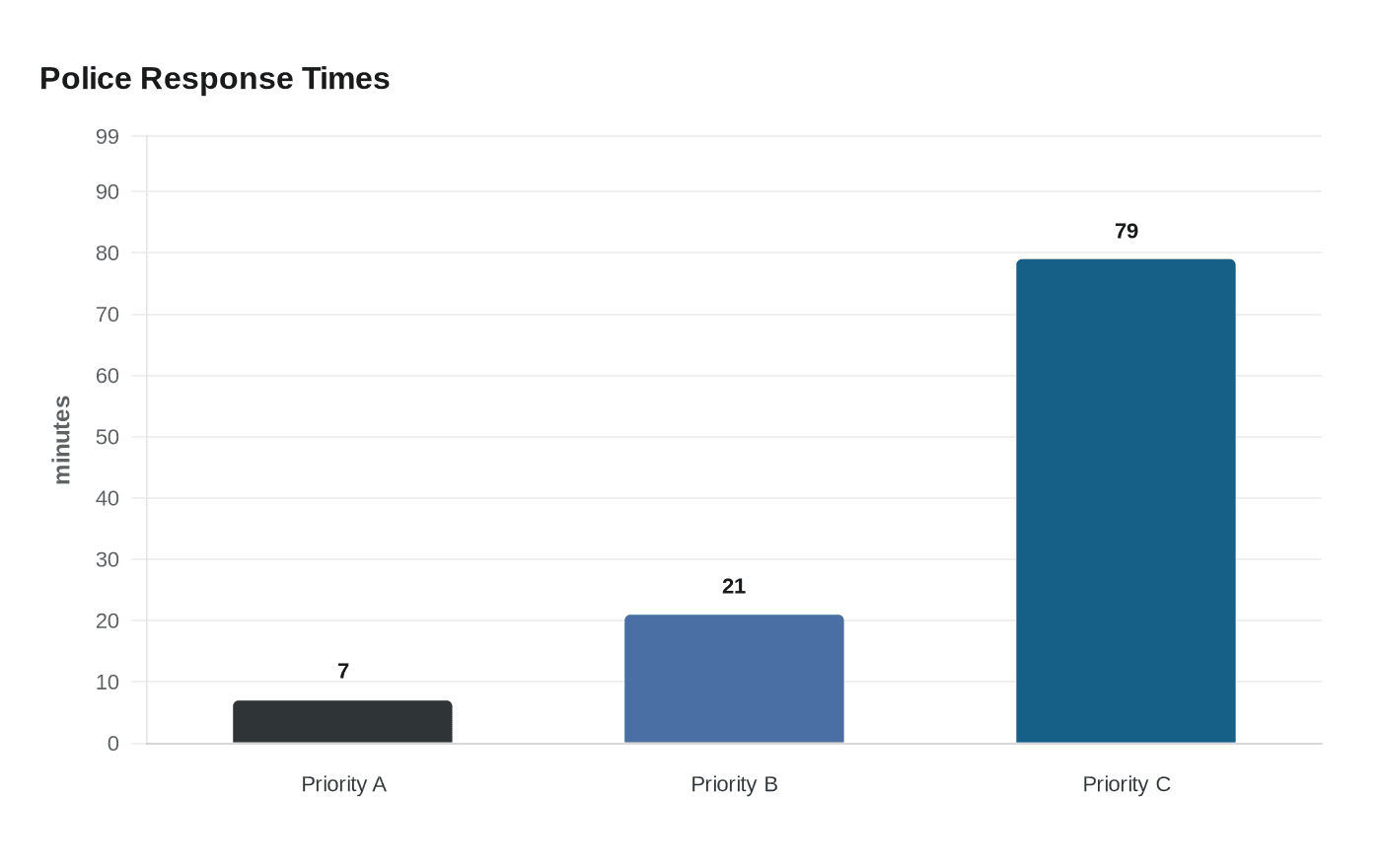
Priority C calls cover incidents with no present or potential danger to life or property, including verbal fights, loitering, parking violations and noise complaints. That is the category West SoMa residents say best captures the slow-drip disorder they deal with day after day. In a neighborhood already feeling squeezed by density, encampments and constant activity, slower response times can leave merchants and residents to manage open-air drug use, repeated property damage and street disturbances on their own.
The timing has sharpened broader tensions in South of Market. On April 4, SOMA West Neighborhood Association filed a 47-page civil-rights complaint accusing the city of concentrating extreme poverty in SoMa while shielding wealthier West Side neighborhoods. The filing says SoMa has 28 percent of San Francisco’s shelter beds while containing 11 percent of the city’s unhoused population, that one-third of neighborhood housing is restricted affordable housing and that tree canopy stands at 2.7 percent, far below the citywide average of 12.8 percent. The group has asked the California Department of Housing and Community Development and the state attorney general to step in.
Those complaints are landing in the middle of a long police staffing crunch. Mayor Daniel Lurie said in May 2025 that the Police Department was more than 500 officers short of the recommended minimum, and Mission Local reported that staffing had fallen to historic lows even as crime declined. By October, the city said the academy had posted four full classes in a row and a fifth was scheduled under the Rebuilding the Ranks initiative. For West SoMa, the question now is whether slower low-priority responses reflect citywide shortages, uneven deployment or both, and whether neighborhood needs are being answered as quickly as other parts of San Francisco.
This article was produced by Prism’s automated news system from verified source data, official records, and press releases, then run through automated quality and moderation checks before publishing. The system is built and supervised by the people who set the standards it runs under. Read our full AI policy.
Did this article answer your question?