Why San Francisco’s cable cars still matter more than tourism
San Francisco’s cable cars are still a working transit system, not just a scenic ride. They connect real neighborhoods, and losing them would erase a machine built for the city’s hills.
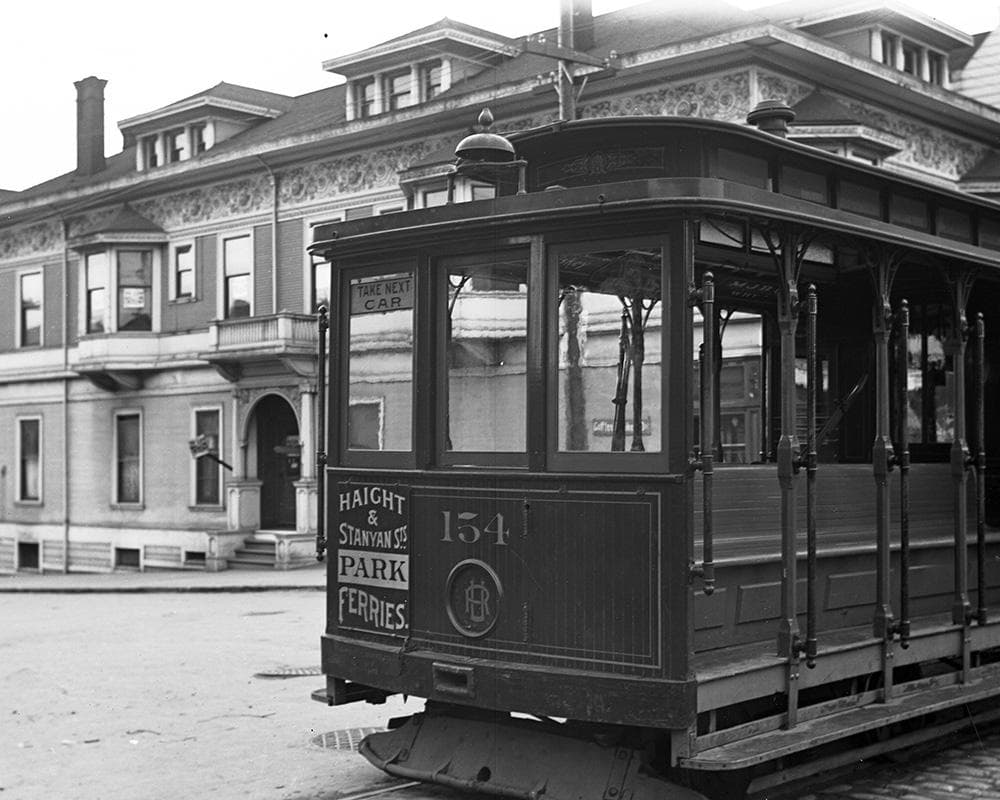
San Francisco’s cable cars are not a museum piece rolling through the city for show. They are a still-functioning transit system, built for steep grades, carrying riders through neighborhoods that tourists photograph and residents actually use. The difference matters because the cable cars were designed to solve a real urban problem, and San Francisco would lose more than a postcard icon if they were treated as heritage only.
Built for the hills, not the souvenir shop
The city’s first successful cable railway opened on August 2, 1873, and the invention is credited by the San Francisco Municipal Transportation Agency to Andrew Smith Hallidie. Hallidie adapted early mining conveyance technology into a street transit system that could manage San Francisco’s steep terrain, turning an engineering workaround into a civic institution. For more than 30 years, cable cars dominated the city’s transit scene, which is why their influence still shows up in the street pattern and travel habits of places like Nob Hill, Russian Hill, Chinatown, and North Beach.
That origin story is not nostalgia. San Francisco’s hills were a design constraint from the beginning, and the cable car solved it in a way horse-drawn vehicles could not. By the mid-1890s, cable car lines reached from the Ferry Building to Golden Gate Park, tying together the waterfront, downtown, and the city’s western edge in a way that shaped how San Franciscans moved across town.
A system, not just a car
The most important thing to understand about cable cars is that the vehicle is only one part of the machine. Preservation materials for the system’s National Historic Landmark designation make clear that the landmark covers the entire operating system, including the rails, turnarounds, moving cable below the street, and the car barn and powerhouse with its huge winding mechanism. The National Register materials describe the system as including ten miles of rails, cable cars, roundtable turnarounds, moving cable between the tracks and below ground, and the car-barn and repair shop.
That is why cable cars are expensive and labor-intensive to keep running. The street, the cable, the power system, the turnarounds, and the operators all have to work together, which is very different from a bus route or a light-rail line. San Francisco’s system is also unusual in the national context: preservation materials describe it as the only cable car system still operating in a U.S. city.
Why the route still matters in daily life
The cable cars are most visible around Powell Street and Fisherman’s Wharf, where visitors line up for the famous steep ride. But their civic role runs deeper than that tourist circuit. They remain part of the way the city connects dense, hilly neighborhoods to major destinations, especially where walking is punishing and other transit options do not offer the same direct experience of the landscape.
SFMTA still treats the system as active transit. Riders must buy fares in advance at Powell & Market, Bay & Taylor Streets, and Hyde & Beach Streets during 8 a.m. to 5 p.m. That detail matters because it shows the system is being run, scheduled, staffed, and maintained as a working public service, not left to operate as a purely ceremonial attraction.
What the system lost, and what survived
Before the 1906 earthquake, there were more than 600 cable cars in San Francisco, spread across 23 lines. The system was at its peak when it was carrying riders through the city’s core and into the neighborhoods that still define it today. After the earthquake and fires, cable car service declined sharply. By 1912, only eight cable car lines remained, and by 1944, only five survived.
Those numbers explain why the modern system feels so precious. It is not simply old. It is the last surviving piece of a transit network that once dominated the city, reduced by disaster and changing transportation patterns to a much smaller core. The fact that the remaining lines still move riders daily is part of what gives them their public value.
A landmark that preserves motion, not just memory
The cable cars were designated a National Historic Landmark in 1964, and the designation is unusual because it protects the whole operating system rather than a static object. That distinction captures the central point of San Francisco’s cable cars: they are historic because they still work. The cars, rails, cable, and powerhouse remain part of a living infrastructure, one that preserves city history by continuing to carry people through it.
That living quality is what separates the system from a display case. The cable cars are a piece of engineered urban history, but they are also part of the daily geography of San Francisco County. They keep neighborhoods connected, they move riders across steep ground, and they give the city a transit identity that could not be replicated by a preserved vehicle on a plinth.
The cost of treating them as only a tourist attraction
A 2007 San Francisco Beautiful report put a hard number on how quickly cable car rides add up: a family of four could pay $40 roundtrip without transfers. That kind of cost helps explain why the system is often discussed as a visitor draw, but it does not erase its transit role. It does, however, show why the cable cars sit at the intersection of tourism, public finance, and civic identity.
That tension is why the system keeps resurfacing in conversations about SFMTA budgets and service pressure. The cable cars are beloved because they are distinctive, but they endure because the city still chooses to maintain a transit system that reflects its topography and history. In a place defined by steep streets and public reinvention, that choice is part of how San Francisco keeps moving while keeping faith with its past.
This article was produced by Prism’s automated news system from verified source data, official records, and press releases, then run through automated quality and moderation checks before publishing. The system is built and supervised by the people who set the standards it runs under. Read our full AI policy.
Did this article answer your question?