Zoox Expands Driverless Robotaxi Service in San Francisco, Eyes Austin and Miami
Zoox is quadrupling its San Francisco service area this spring, adding the Marina, North Beach, Chinatown, and Pacific Heights to its existing SoMa and Mission coverage.
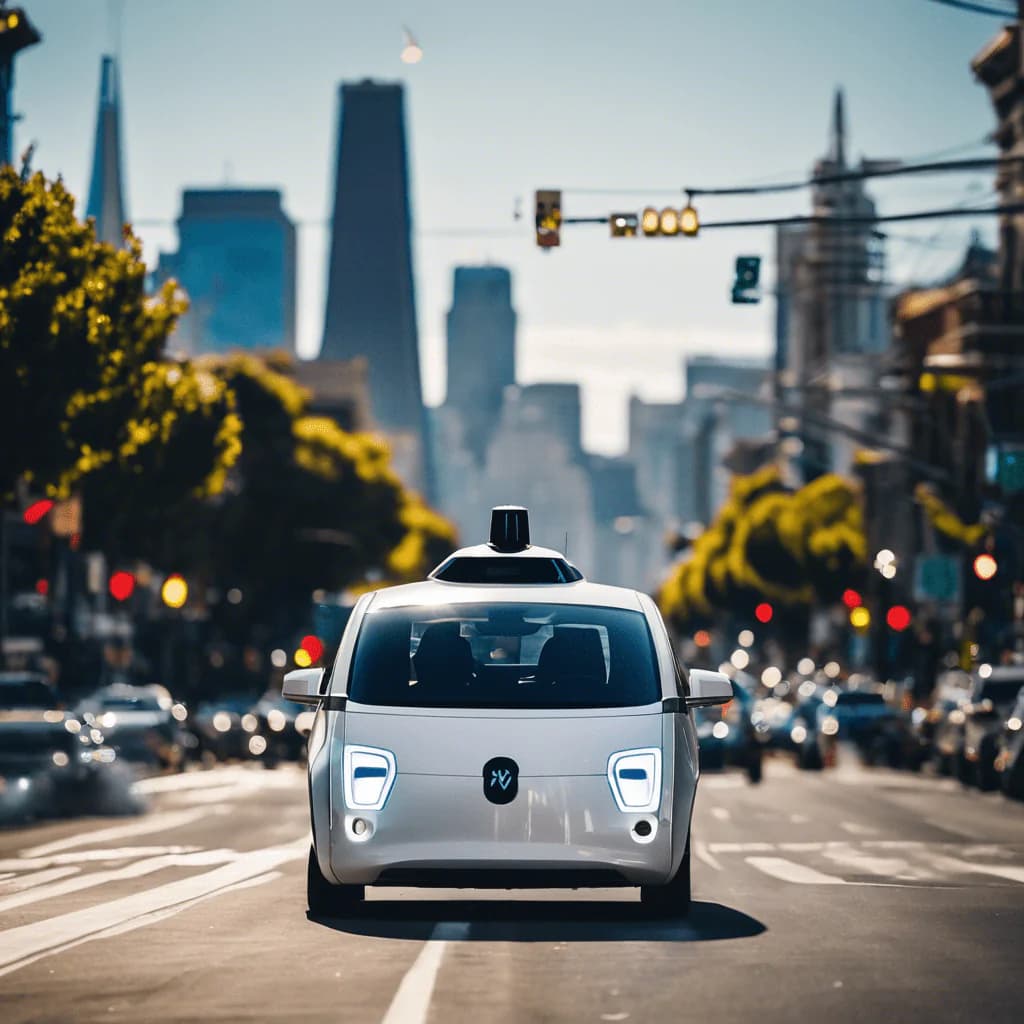
Zoox is quadrupling its San Francisco service area this spring, pushing north from SoMa, the Mission, and the Design District into the Marina, North Beach, Chinatown, Pacific Heights, and along the Embarcadero, as the Amazon-owned robotaxi company simultaneously announced it will bring its purpose-built vehicles to Austin and Miami later this year.
The expanded coverage will be available beginning this spring to Zoox's "Explorers," those who have opted in to ride for free and provide feedback. As of late March, the company said it had served 350,000 riders, and about 500,000 people have joined its waitlist.
CEO Aicha Evans framed the announcement in ambitious terms. "This expansion marks a significant step forward for Zoox and is driven by the insights from our early deployments," Evans said. "This is our year of growth. We are actively implementing learnings to confidently and safely scale our robotaxi service across the country and bring our differentiated experience to even more riders."
In Austin and Miami, Zoox will deploy its toaster-shaped robotaxis, which have no steering wheel or pedals, for testing in "a small area" of both cities. Trips will initially be limited to Zoox employees and their family and friends, before the company launches its Explorer program, where the public can join a waitlist to ride the vehicles. The expansions will be implemented in the coming months, with Austin deployments expected by the end of March.
In Las Vegas, where free rides are already available to anyone with the Zoox app, the company said it is doubling the number of destinations to include the Sphere, T-Mobile Arena, and the Las Vegas Convention Center. Zoox already drops and picks up riders at a number of hotels and attractions, including Area15, Top Golf, Fashion Show Las Vegas, Luxor, Resorts World, and the Wynn.
Zoox's purpose-built robotaxis differ from other self-driving cars on the road, which are retrofitted passenger cars. Zoox robotaxis have no gas pedal, steering wheel, or other driver controls, and passengers sit facing each other inside the cabin. The company's biggest remaining hurdle is launching a paid service. It is awaiting approval from the National Highway Traffic Safety Administration to operate as many as 2,500 of its self-driving cars on public roads for commercial purposes, and the agency will publish its decision on Zoox's proposal after a 30-day comment period that began on March 11. Evans said the company is ready: "We're ready to charge, especially in Las Vegas, where obviously we've been there for a long time."
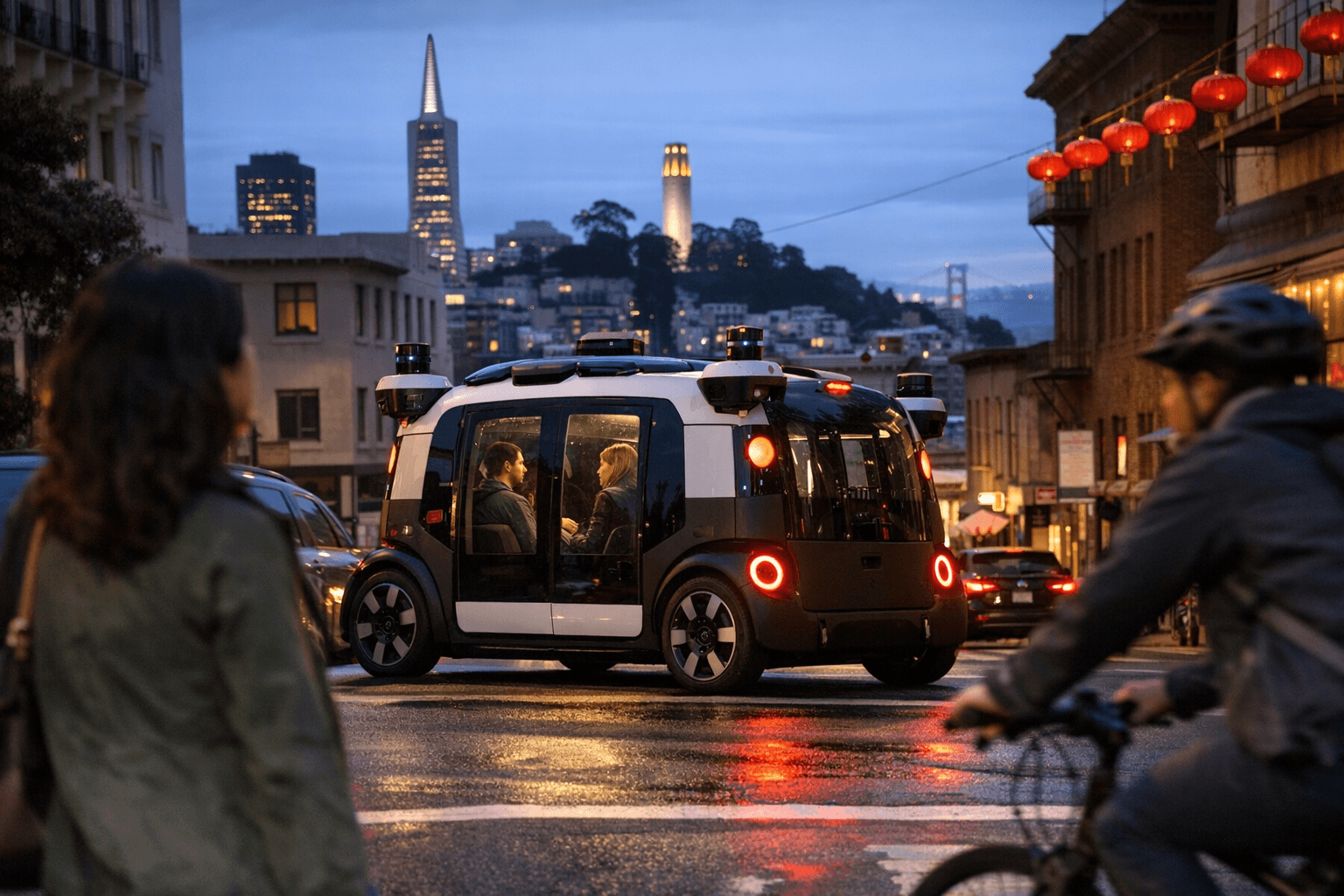
Earlier this month, Zoox struck a partnership with Uber to make its robotaxis available through the ride-hailing app in Las Vegas starting this summer. Uber has teamed up with several robotaxi companies, including Waymo, as it looks to secure its future in an expanding autonomous vehicle market.
Evans said the current expansions will bring Zoox's total fleet to about 100 vehicles. Its fleet is expected to grow significantly once Zoox begins mass-manufacturing the production version of its vehicles at its plant in Hayward, California. The company hopes to start later this year and eventually produce three vehicles per hour, enabling a significant increase in fleet size. Amazon converted a former bus factory in Hayward, roughly 25 miles southeast of San Francisco, into the facility, which is targeting annual production of 10,000 robotaxis at full capacity.
Zoox is racing to catch up to Alphabet's Waymo, the U.S. robotaxi leader, which currently offers 400,000 paid rides per week across six metro areas and is now operating commercially in 10 U.S. cities while aiming for expansion to London and Tokyo this year. Zoox's San Francisco expansion will allow it to serve more riders and more directly compete with Waymo, the Alphabet-owned company whose fleet of retrofitted vehicles already swarms the Bay Area.
Evans acknowledged the long road ahead. "This is a long journey. We've been at this for 12 years, super consistent and super stubborn," she said.
This article was produced by Prism’s automated news system from verified source data, official records, and press releases, then run through automated quality and moderation checks before publishing. The system is built and supervised by the people who set the standards it runs under. Read our full AI policy.
Did this article answer your question?

