Aztec free walking and biking tour booklet maps historic landmarks
Aztec’s free tour booklet turns history into a low-cost downtown outing, linking Main Avenue, heritage neighborhoods and Pioneer Village in one easy route.
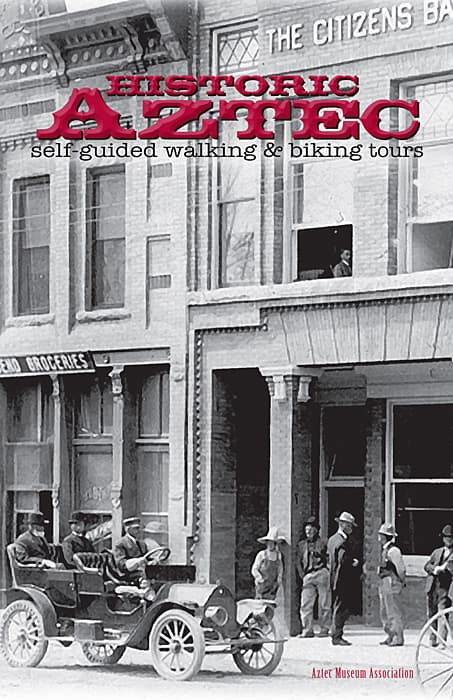
A free self-guided walking and biking booklet gives families, visitors and day-trippers a no-ticket way to see Aztec’s history up close, threading from Aztec Ruins National Monument into historic downtown and the neighborhoods east of Main Avenue. The route is short on ceremony and heavy on place, with homes, churches and irrigation ditches built by early settlers turning the streets into a readable map of how the community took shape around the Animas River corridor.
A walk that starts with the town’s oldest story
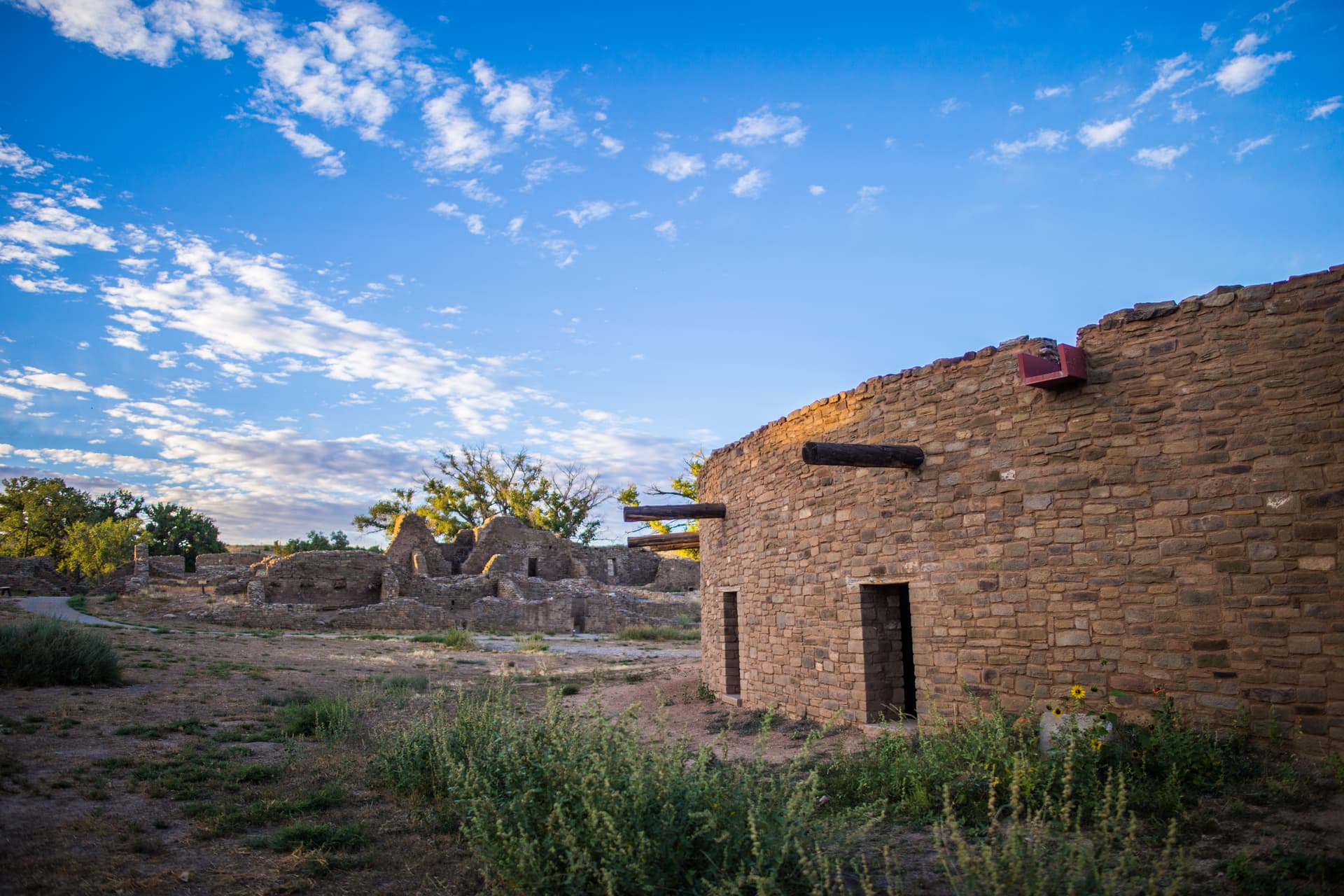
The booklet’s route begins at Aztec Ruins National Monument and then moves into the heart of historic downtown before reaching heritage neighborhoods and the older streets just east of Main Avenue. The Aztec Museum & Pioneer Village at 125 N. Main Avenue sits at the north end of historic Main Avenue, making it a useful starting point for visitors who want context before they head south.
The points of interest include the architecture, influential citizens and natural features that give Aztec its character, and the route also includes places that are not on the state or national registers. The route includes both the headline landmarks and the quieter blocks that explain how the town grew.
The old Fire Station, now home to the San Juan County Historical Society, is another anchor on the route. From there, the tour continues into downtown and then into the heritage neighborhoods, giving visitors a clean way to move from the civic core to the residential streets where early settlement patterns still show up in the landscape.
Why the preservation numbers matter
Aztec’s walking-tour page lists 78 structures on both the National Register of Historic Places and the New Mexico Register of Cultural Properties, along with four historic districts and 17 individual properties on the New Mexico and/or National Register of Historic Places.
Those numbers sit inside a broader preservation system. New Mexico’s State Register of Cultural Properties was authorized in 1969, and the National Register of Historic Places dates to the National Historic Preservation Act of 1966. The Historic Preservation Division lists more than 1,985 prehistoric and historic properties in the State Register, and, with historic districts included, about 5,000 cultural properties are covered by State Register listings.
San Juan County has seven places on the National Register of Historic Places, among them Aztec Ruins National Monument and the Aztec Main Street Historic District.
Where the route is strongest for a low-cost day trip
It is free, it can be done at a flexible pace, and it does not depend on a festival calendar or a special opening date. It is especially practical for local families, weekend visitors and anyone trying to stretch a travel dollar without giving up a meaningful stop.
A good way to use it is to combine the booklet with a museum stop and a downtown loop. The museum sells a photography-rich souvenir guide for a nominal fee, which helps visitors identify what they are seeing in real time. Because the route runs through Main Avenue and into nearby historic neighborhoods, it naturally puts walkers and bicyclists in position to pass the civic and cultural landmarks that define the town center.
Useful stops to build into the outing include:
- Aztec Museum & Pioneer Village, at 125 N. Main Avenue, for orientation and the souvenir guide.
- The Old Fire Station, now home to the San Juan County Historical Society, for a downtown history stop.
- Aztec Ruins National Monument, which gives the route its historic starting point.
- The heritage neighborhoods east of Main Avenue, where homes, churches and irrigation ditches built by early settlers still help tell the settlement story.
Pioneer Village gives the route a second layer
The museum complex turns local history into a physical setting rather than just a map. The Aztec Museum & Pioneer Village lists its Pioneer Village as a collection of 12 buildings moved or built on site to resemble early 20th-century structures. Among them are the old Aztec Jail, a tinsmith and print shop, a Denver & Rio Grande Railroad caboose, a blacksmith and carpentry shop, a log cabin, a farmhouse, a church, a one-room schoolhouse and a magistrate judge office.
City tourism materials list more reconstructed structures, including the doctor’s and sheriff’s offices, a blacksmith and foundry, an 1880 pioneer cabin, a general store and post office, and Cedar Hill Church. Another local tourism listing puts the museum at 14 original and replicated structures, along with oil and gas equipment, farm implements and machinery.
This article was produced by Prism’s automated news system from verified source data, official records, and press releases, then run through automated quality and moderation checks before publishing. The system is built and supervised by the people who set the standards it runs under. Read our full AI policy.
Did this article answer your question?