Lake Farmington offers fishing, swimming, camping under city rules
Lake Farmington runs on city rules, not casual shoreline use. Visitors need to know the hours, fees, seasonal swim areas, boat checks and camping limits before they head out.
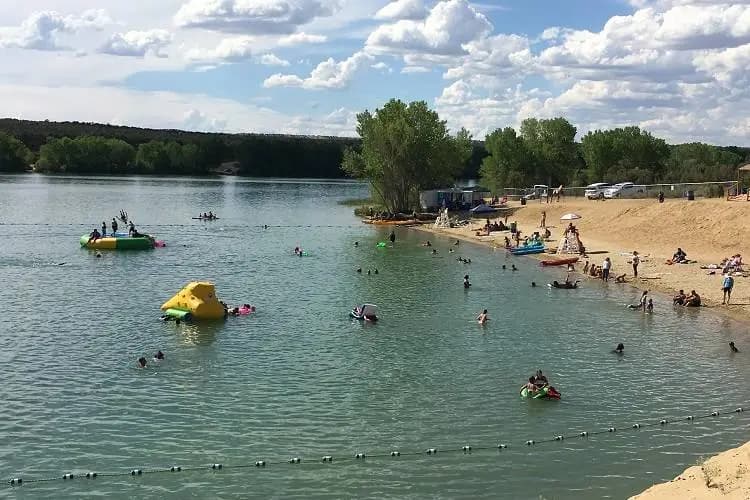
Lake Farmington is one of Farmington’s most useful public recreation assets because it is managed like a city facility, not an open shoreline. The City of Farmington sets the hours, charges access fees, requires boat inspections, and limits overnight stays, so a simple day at the lake takes a little planning. That structure matters for families, anglers, campers and anyone using the water for the first time.
What the lake offers
The city allows fishing, non-motorized watercraft, swimming at The Beach, use of the Aquapark and shoreline walks at Lake Farmington. Public use runs from 6:00 a.m. to 10:00 p.m., giving visitors a long but clearly defined window for recreation. Access is organized through the city’s fee system, including a season pass sold per vehicle.
The Beach and the Aquapark are seasonal features, not year-round swimming facilities. That distinction is important for anyone expecting a full-time beach operation, since the city’s recreation model depends on set operating periods and managed access rather than open-ended use. The Beach is also described by the city as a guarded designated swimming area on the north side of the lake.
Fees, passes and access
Lake Farmington is run by the Farmington Parks, Recreation & Cultural Affairs Department, which manages 17 facilities across the city. At the lake, the city says the access fee covers recreation opportunities, and the season pass is sold per vehicle. That makes the lake feel more like a municipally managed park system than a free public reservoir.
For visitors who only come once or twice a season, the structure still matters because permits and fees are tied to how the city manages traffic, safety and upkeep. Cars, campers and boats all fit into a system built around permits, inspection rules and posted use hours. For local families, that means checking the rules before leaving home instead of treating the lake like an ordinary roadside stop.
Boating, fishing and safety rules
Watercraft inspection is mandatory before launch and the inspection is free. The city conducts those inspections with the New Mexico Department of Game and Fish to help prevent aquatic invasive species, including Zebra and Quagga mussels. Boats that fail inspection can be denied access and sent to the decontamination station at Navajo Dam.
Lake Farmington does not allow fuel-powered watercraft. That rule keeps the lake centered on non-motorized use and lowers the risk of conflicts between swimmers, paddlers and anglers. The rules also prohibit alcohol, hunting, firearms, dumping and wood gathering, and pets must be leashed.
Those restrictions are more than routine park policy. Because the lake is treated as part of the city’s water system, the rules are tighter than what visitors may expect at a casual fishing hole or picnic site. That is especially true for people bringing dogs, launching a boat or assuming they can use the lake the way they might use a private recreation site.
The Beach at Lake Farmington
The Beach is the clearest example of how the city controls access. It is a guarded swimming area, not an open-ended swim spot, and the city has described it as a designated area on the north side of the lake. A city blog item said it was open daily from 12 p.m. to 6 p.m. during its seasonal operating period.
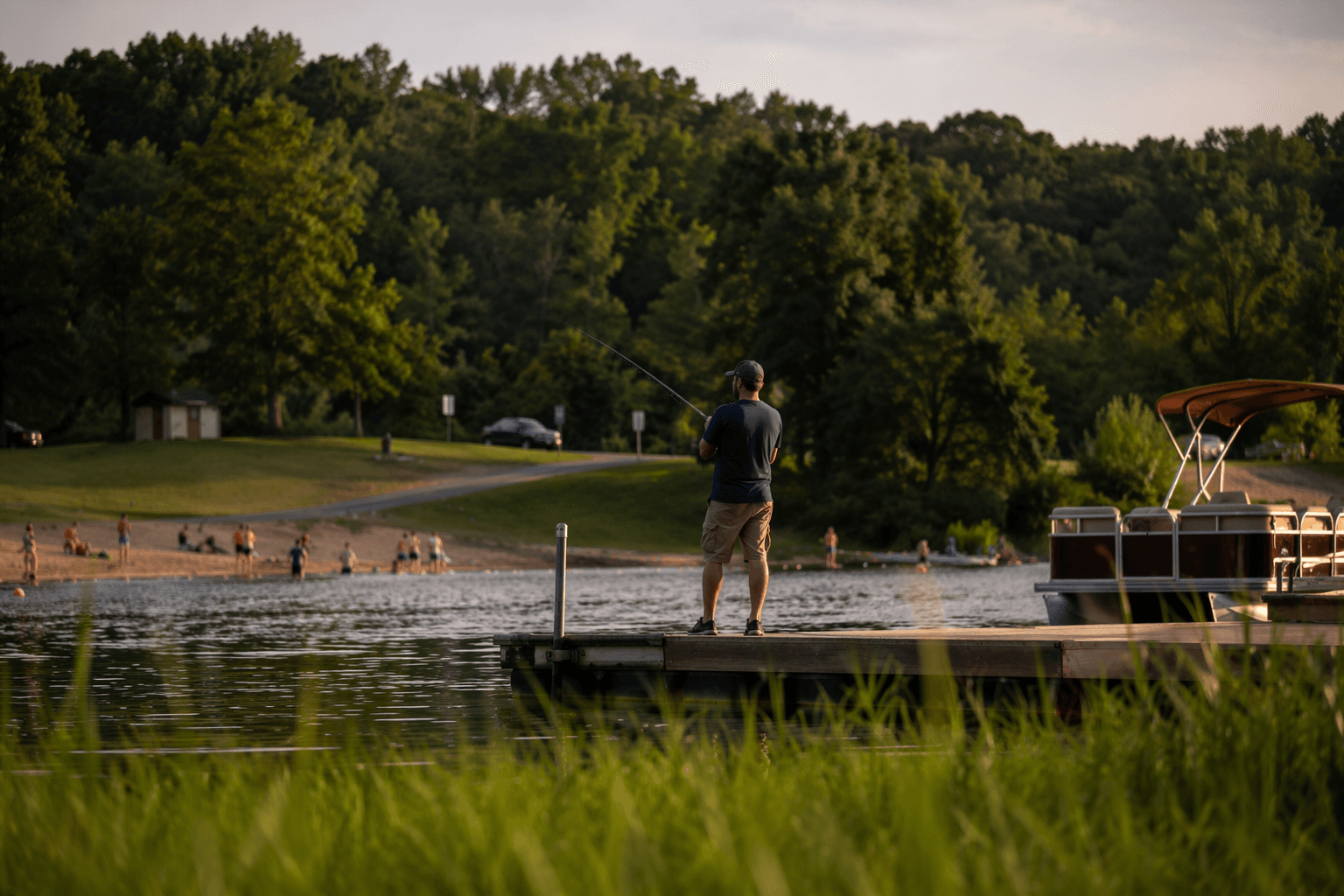
That schedule matters for parents and caretakers trying to line up a day trip around heat, work hours or younger children’s routines. It also means the swim experience is tied to staffing and seasonal operations, which is very different from an unsupervised pond or river access point. Anyone planning to swim should check that the seasonal area is open rather than assuming beach access is automatic.
Camping basics
Lake Farmington also has overnight options, but they are tightly managed. Camping costs $10 per night, reservations must be made at least 48 hours in advance, and access fees are separate unless covered by the annual pass. Campsites are limited to two vehicles and eight people per site.
The campground includes 21 dry sites and five large RV-sized sites. There are no utilities or potable water, so visitors need to arrive prepared for a dry setup and bring what they need for the night. The city also provides designated fire rings and grills, which helps define where campfires and cooking belong instead of leaving that to improvised use.
The reservation requirement is part of what makes the campground feel more regulated than a typical pull-in camping area. If you want a spot for a weekend, the lake works only if you plan ahead, reserve early and stay within the city’s vehicle and head-count limits. That is the difference between a managed public campground and an informal lakeside camp.
Why the rules are stricter here
The lake’s controls make sense in light of Farmington’s water history. Local historical material says the Butler Street Reservoir served as the city’s water supply from 1936 until the mid-1960s, and that the project began as a Works Progress Administration effort. That legacy helps explain why a water body in Farmington still carries public-utility significance as well as recreation value.
The city is also still planning for the lake’s future. The Farmington City Council approved a $4.45 million contract to study and design raising the Lake Farmington Dam to increase storage capacity. That kind of investment shows the lake is not just a weekend destination; it is part of long-term water and infrastructure planning in San Juan County.
What to know before you go
A simple trip to Lake Farmington works best when visitors treat it like a regulated city facility. The key points are straightforward:
- Hours run from 6:00 a.m. to 10:00 p.m.
- The Beach and Aquapark are seasonal.
- Watercraft inspections are mandatory and free.
- Fuel-powered watercraft are not allowed.
- Pets must be leashed.
- Alcohol, hunting, firearms, dumping and wood gathering are prohibited.
- Camping is $10 per night, with reservations due at least 48 hours in advance.
- Campers are limited to two vehicles and eight people per site.
That system is what gives Lake Farmington its character. It is a city-run recreation site with clear rules, a defined swim area, controlled overnight use and water-protection enforcement built into the experience.
This article was produced by Prism’s automated news system from verified source data, official records, and press releases, then run through automated quality and moderation checks before publishing. The system is built and supervised by the people who set the standards it runs under. Read our full AI policy.
Did this article answer your question?