Local Student Uses Dual Credits to Accelerate College and Career
Aden Harvey, a Many Farms High School graduate, entered Diné College with 25 dual credit hours on December 26, 2025, a head start that cut his college workload and cost. His path highlights the role of family support, school programs, and tribal institutions in helping local students advance into higher education and health care careers.
With 25 dual credits and family support, Aden Harvey charted his college path. The Many Farms native began classes at Diné College on December 26, 2025 having already completed 25 college level credits while in high school. That accumulation of credit gave him a measurable reduction in time and expense needed to pursue a degree, and it smoothed his transition to college coursework.
Harvey balanced wrestling, high school responsibilities, and dual credit classes during his senior year. He credited family encouragement and local mentors with keeping him on track and said the dual credit courses better prepared him academically for college level expectations. Initially interested in civil engineering, Harvey shifted his focus toward health care and intends to study musculoskeletal sonography, influenced by relatives who work in medical settings.
For San Juan County residents the individual story underscores broader policy questions about access to college level opportunities in rural and tribal communities. Dual credit programs can reduce financial barriers and accelerate degree attainment, but their benefits depend on consistent counseling, clear transfer agreements with four year institutions, and funding that supports college instructors and academic oversight in high schools. Diné College's role as a tribal college also matters, because tribal institutions often serve as accessible gateways to higher education and to culturally relevant supports for Native students.
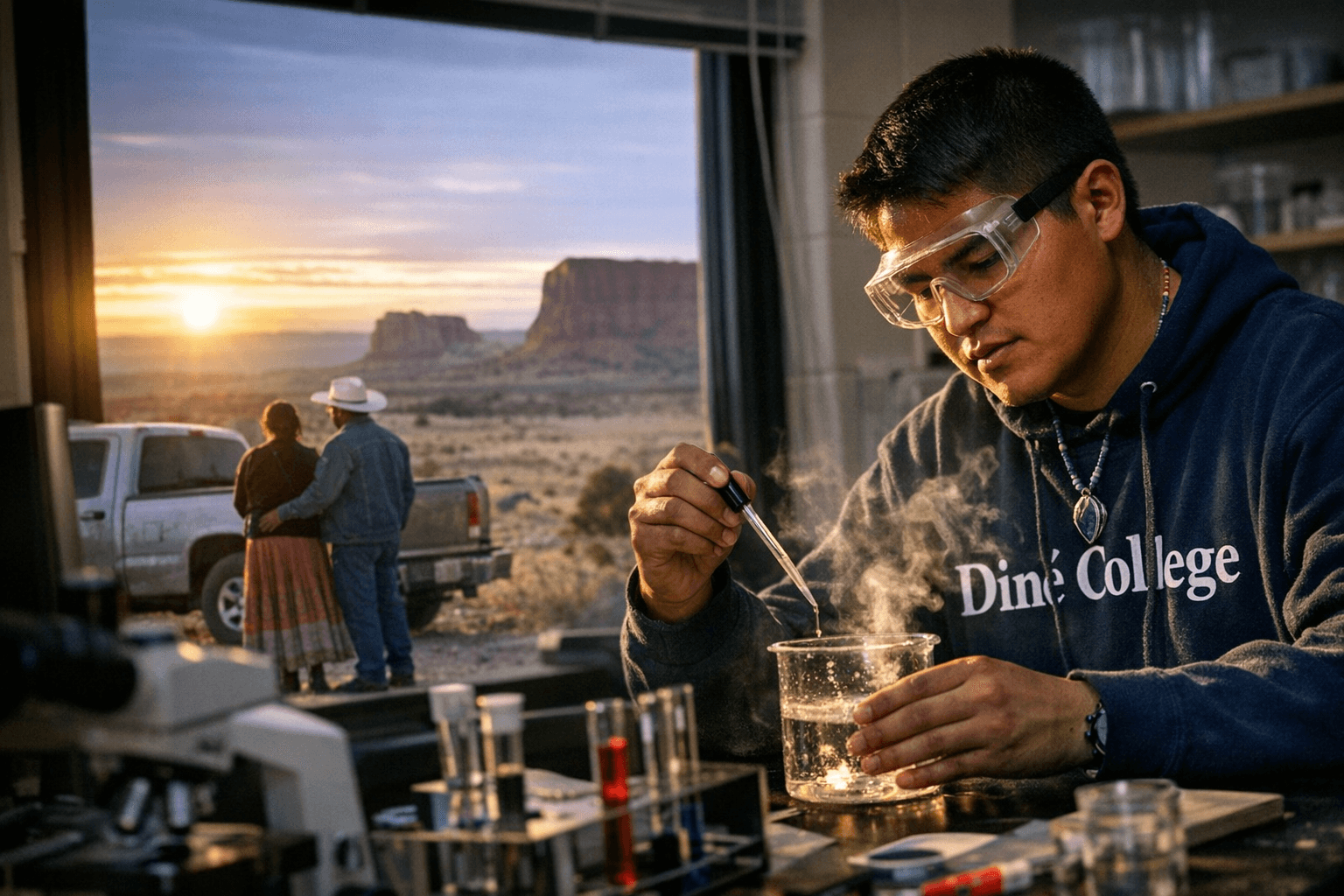
Local school districts, Diné College, and tribal leadership determine how many students can access dual credit courses, how credits transfer, and how student success is tracked. Those institutional choices affect college completion rates, the local supply of trained health care workers, and long term workforce development for county clinics and hospitals. Family and community encouragement proved decisive in Harvey's case, but systemic supports are necessary to scale similar outcomes across the county.
Harvey also shared practical advice for peers, urging students to use available mentors and to prioritize coursework alongside extracurricular commitments. His experience offers a model for policymakers and educators who want to expand accelerated learning while safeguarding academic quality and equitable access for all San Juan County students.
Sources:
Know something we missed? Have a correction or additional information?
Submit a Tip