Navajo Nation reviews old screwworm plan after Texas cases rise
Texas calf cases and a New Mexico dog detection have Navajo agriculture officials dusting off a 20-year-old screwworm plan, raising stakes for San Juan County ranchers.
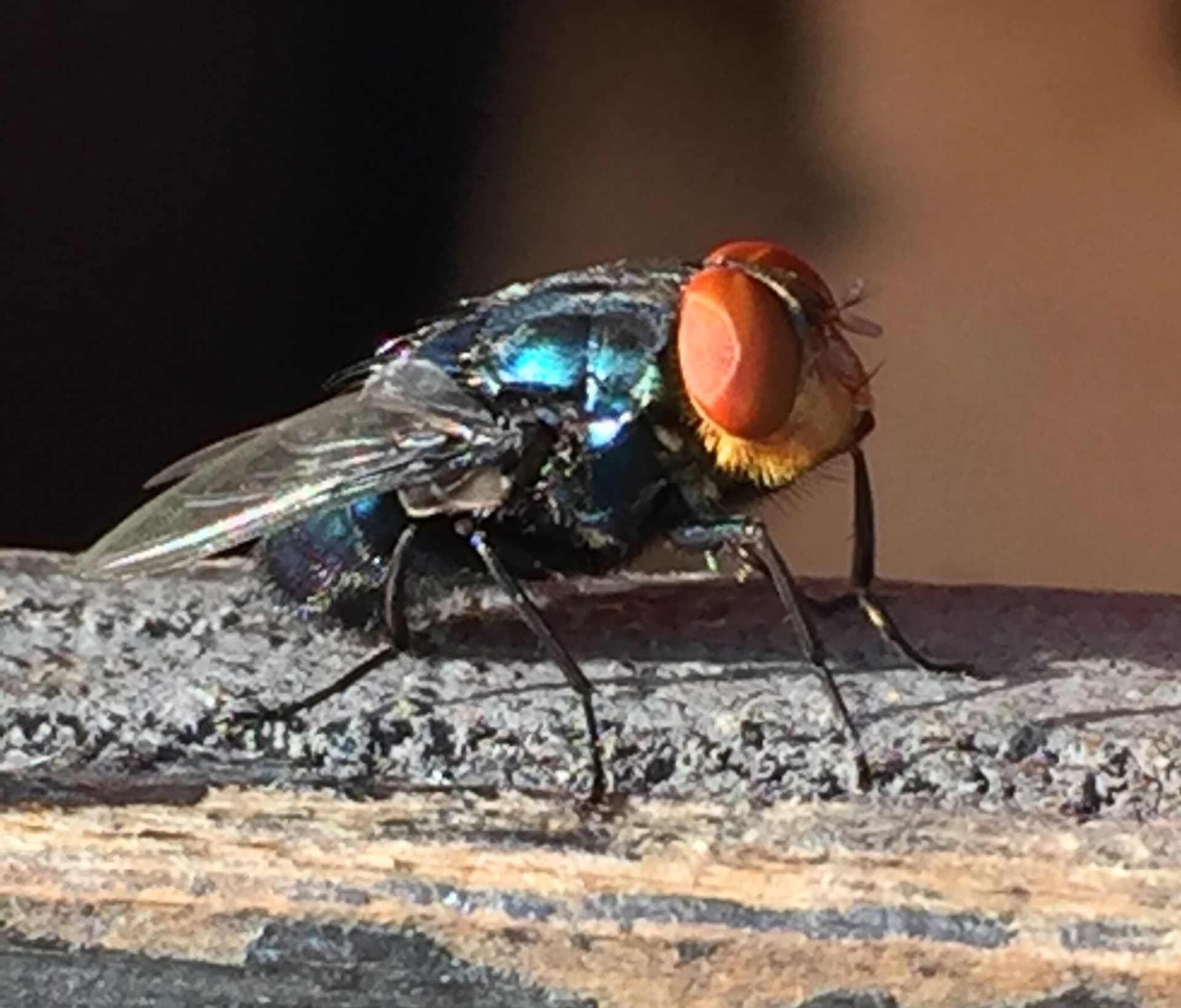
A screwworm outbreak that had been pushed far south for decades is now close enough to force Navajo agriculture officials back to an emergency plan that has sat on the shelf for more than 20 years. For San Juan County ranchers, that means a parasite once considered a historical threat is again a live risk to calves, livestock movement and the local agricultural economy.
The U.S. Department of Agriculture confirmed the first U.S. animal case in the current outbreak on June 3 in a 3-week-old calf in Zavala County, Texas, where larvae were found in the animal’s umbilical area. Two days later, USDA confirmed a second calf infection in the same county, about 5.6 miles from the first. By June 8, the agency had confirmed the first U.S. dog case in Lea County, New Mexico, and another Texas detection, then on June 9 it said a new case was confirmed in La Salle County, Texas.
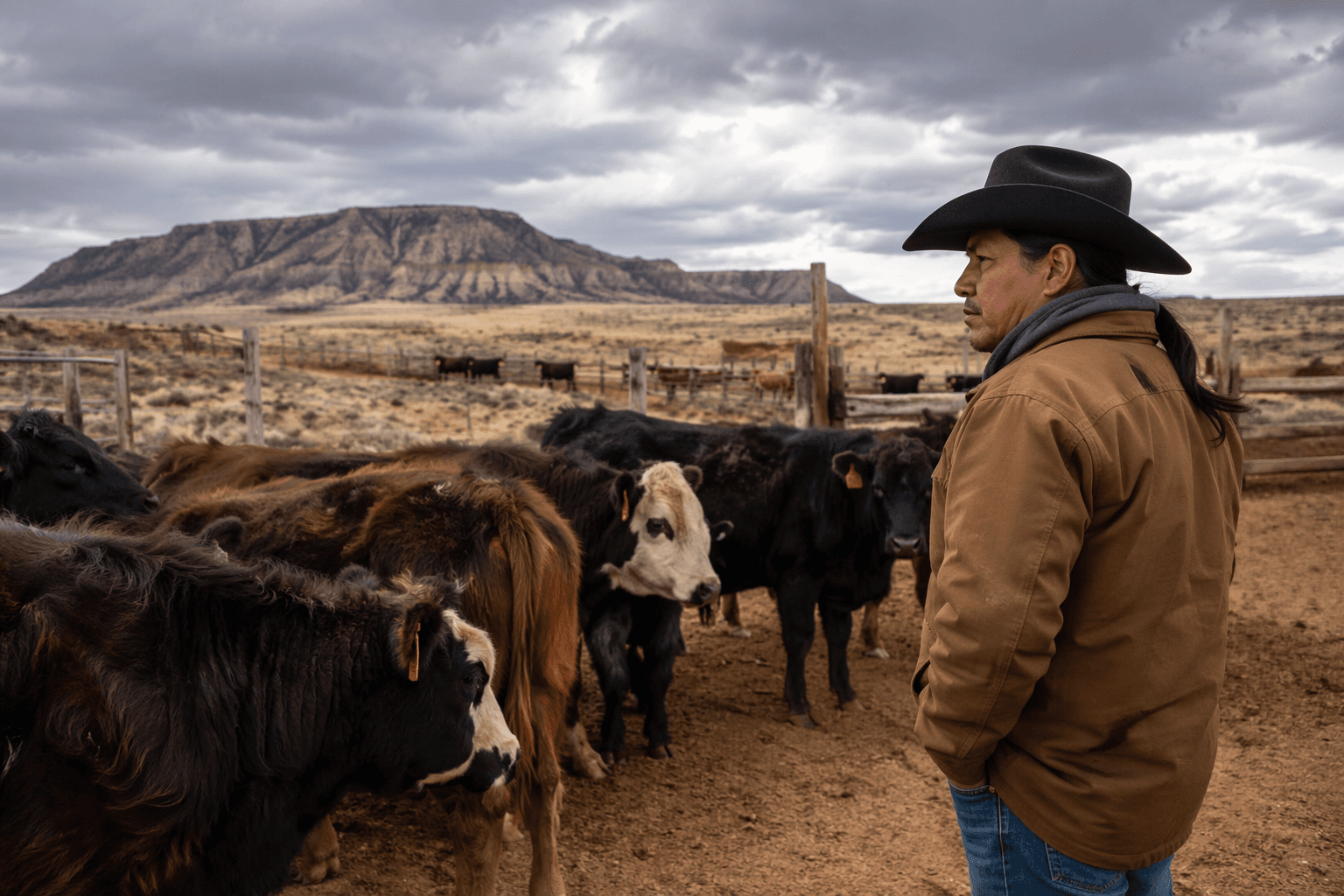
That spread has sharpened the concern for Navajo Nation lands, which cover about 25,351 square miles across Arizona, New Mexico and Utah. The Navajo Nation Department of Agriculture says it is the lead agency for protecting rangelands, livestock and agricultural resources, and it oversees 25 tribal ranches, including 22 in New Mexico and three in Arizona. USDA’s 2022 Census of Agriculture lists 13,558 farms and ranches on the Navajo Nation, with about $140.3 million in agricultural products sold and $19.0 million of that from livestock sales.
Federal health officials say the outbreak moved northward through Central America and Mexico starting in 2023. The Centers for Disease Control and Prevention says no locally acquired human infestations have been reported in the United States in the current outbreak, but USDA still describes New World screwworm as a serious pest for livestock, pets, wildlife and, less commonly, people and birds.
The parasite’s return carries extra weight in the West because the United States declared itself free of indigenous screwworm by 1966, after sterile male technique campaigns helped drive the pest out. That history is part of why officials are revisiting old contingency plans instead of waiting for the problem to cross another border.
For ranchers in and around San Juan County, the immediate stakes are practical. A screwworm case near local herds would test animal movement, veterinary response and the ability of tribal and regional agencies to communicate quickly before a small cluster turns into a wider outbreak.
This article was produced by Prism’s automated news system from verified source data, official records, and press releases, then run through automated quality and moderation checks before publishing. The system is built and supervised by the people who set the standards it runs under. Read our full AI policy.
Know something we missed? Have a correction or additional information?
Submit a Tip