San Juan County initiative opens one-stop family center in Farmington
A Farmington family center had six of 10 services ready, with a $100,000 grant set to bring the rest online for parents seeking help without the runaround.
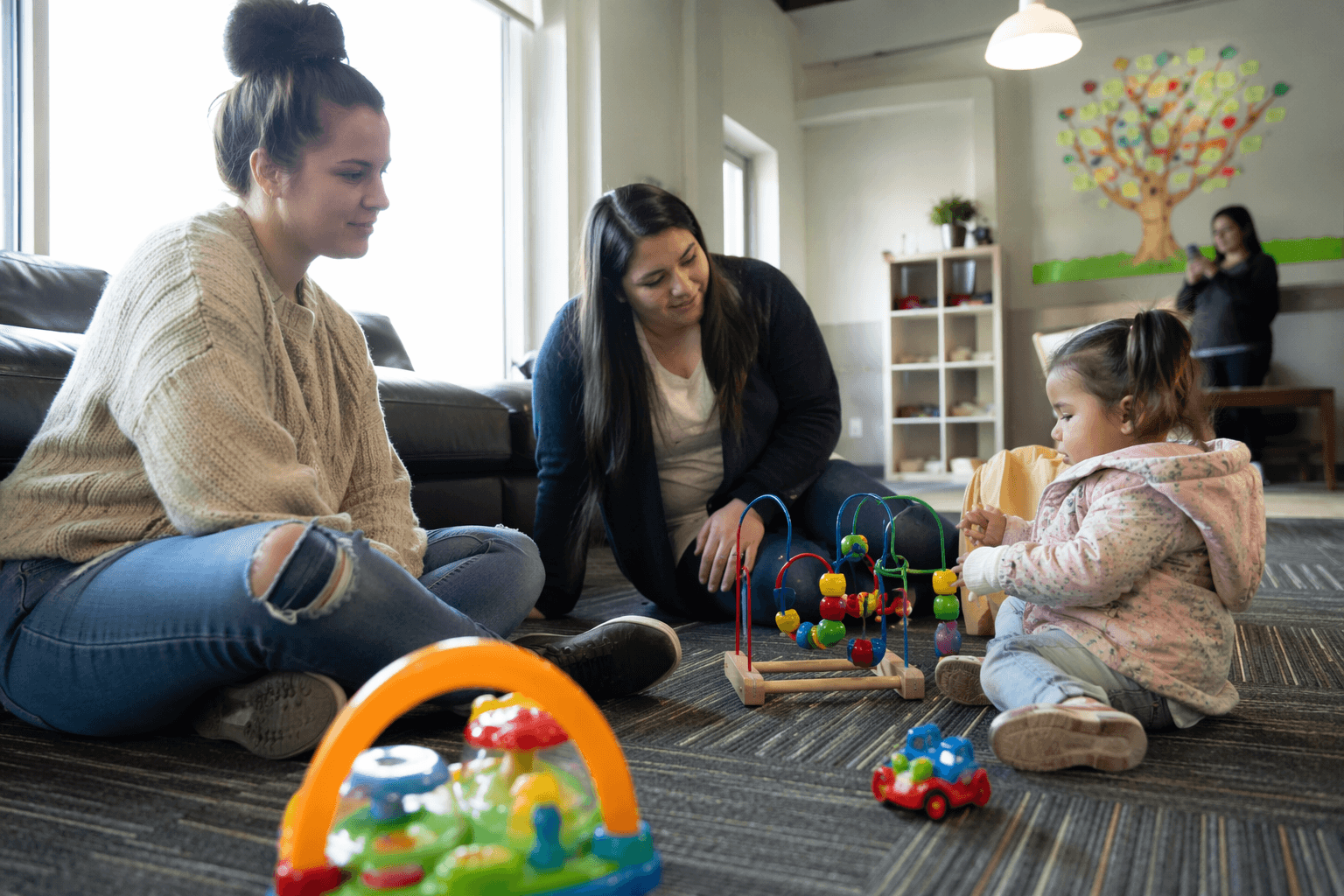
The 100% San Juan County Initiative opened a one-stop family center inside the Presbyterian Medical Services building in Farmington, with six of the 10 planned services already ready to go and a $100,000 anonymous foundation grant expected to bring the rest online.
The point is simple: parents should be able to find help for food security, behavioral health care and medical care for children without bouncing from office to office. The initiative held a summit April 26 so community members could ask questions and get answers, underscoring that this is meant to be a working referral network, not just a program on paper.

The model behind it started at New Mexico State University through the Anna, Age Eight Institute. The institute says the 100% New Mexico initiative was funded by the state legislature in 2019 and gives each county a data-driven process for building local access to 10 vital services through one-stop family centers and community schools. The initiative is already active in 19 counties across New Mexico.
That statewide framework matters in San Juan County, where Farmington is the county seat and largest city in a county of 121,661 people. The county also has a large tribal footprint, with 64.8% of its area on tribal land, including Navajo Nation and Ute Mountain Ute land. For families spread across a wide rural area, a centralized hub in Farmington can cut the time and travel needed to reach help.
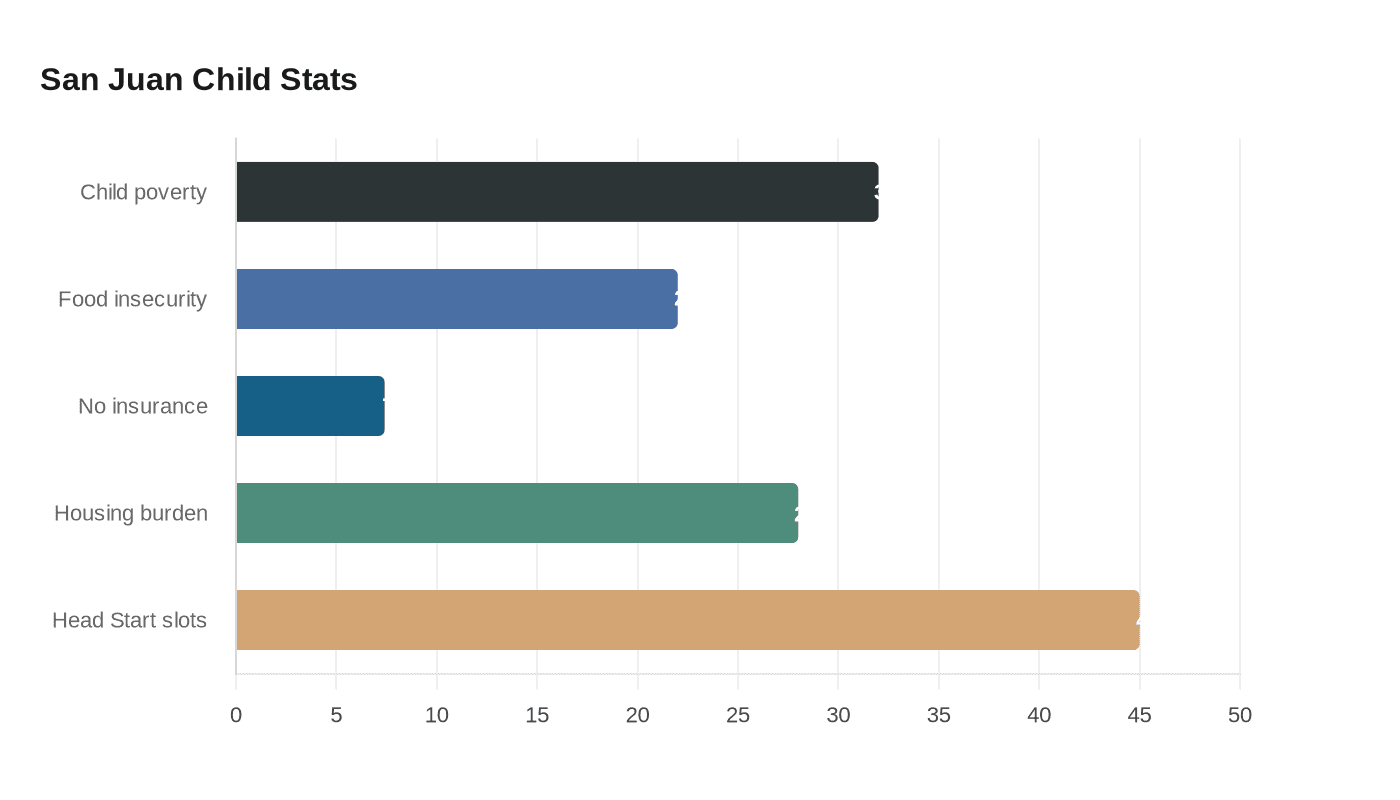
The need is not abstract. A 2024 county factsheet found a 32% child poverty rate in San Juan County, along with 22% child food insecurity, 7.4% of children without health insurance and 28% of children living in families with high housing-cost burden. Only 45% of funded Head Start slots were available. In that context, the one-stop center is designed to do more than point people toward resources. It is meant to make sure families can actually reach them, before a missed referral or delayed appointment turns into a crisis.
This article was produced by Prism’s automated news system from verified source data, official records, and press releases, then run through automated quality and moderation checks before publishing. The system is built and supervised by the people who set the standards it runs under. Read our full AI policy.
Know something we missed? Have a correction or additional information?
Submit a Tip