Bernalillo’s historic crossroads shapes Sandoval County’s transit story
Bernalillo’s station area turns old trade routes and wine history into a downtown strategy. The real test is whether rail, sidewalks, and mixed-use plans bring daily foot traffic.
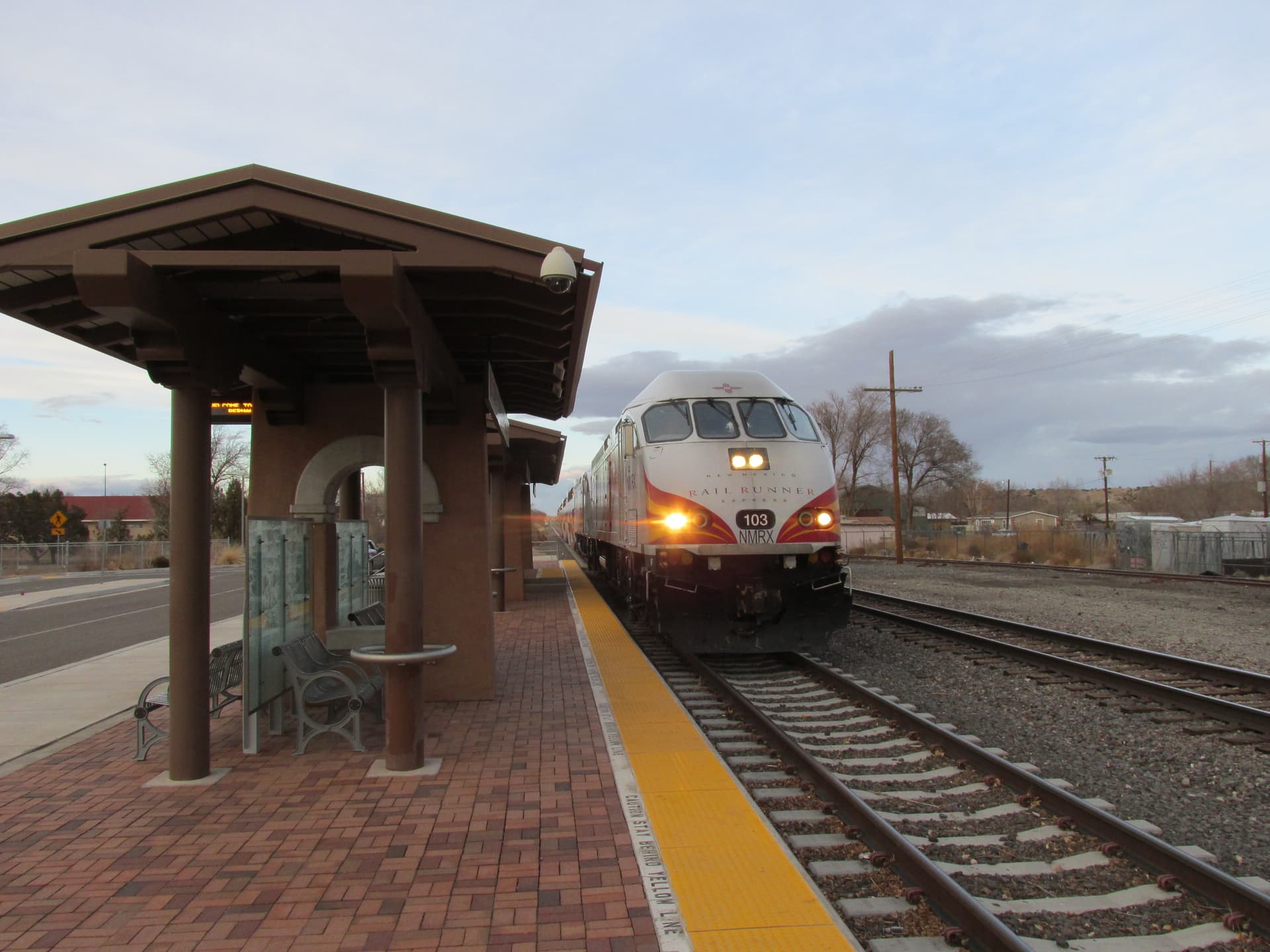
The Downtown Bernalillo Rail Runner station sits in the middle of a town whose identity was shaped long before commuter rail arrived. In a few blocks, Bernalillo folds together a nearly thousand-year settlement history, a 1695 colonial founding, and a modern station with just 23 parking spaces, an ADA-accessible platform and ramp, and bicycle lockers. That compact footprint is the clearest sign that Sandoval County’s transit story here is not about sprawl. It is about whether an old crossroads can still generate daily use.
A downtown built around movement
The Town of Bernalillo says the community has occupation reaching back almost a thousand years, and that Don Diego de Vargas founded it in 1695. The town also describes Bernalillo as the colonial heart of a nearly 5-square-mile municipal corporation and a retail trade and service center for the Rio Grande basin. That framing matters because Bernalillo has never been just a rail stop or a museum district; it has long functioned as a place where people passed through, traded, and stayed.
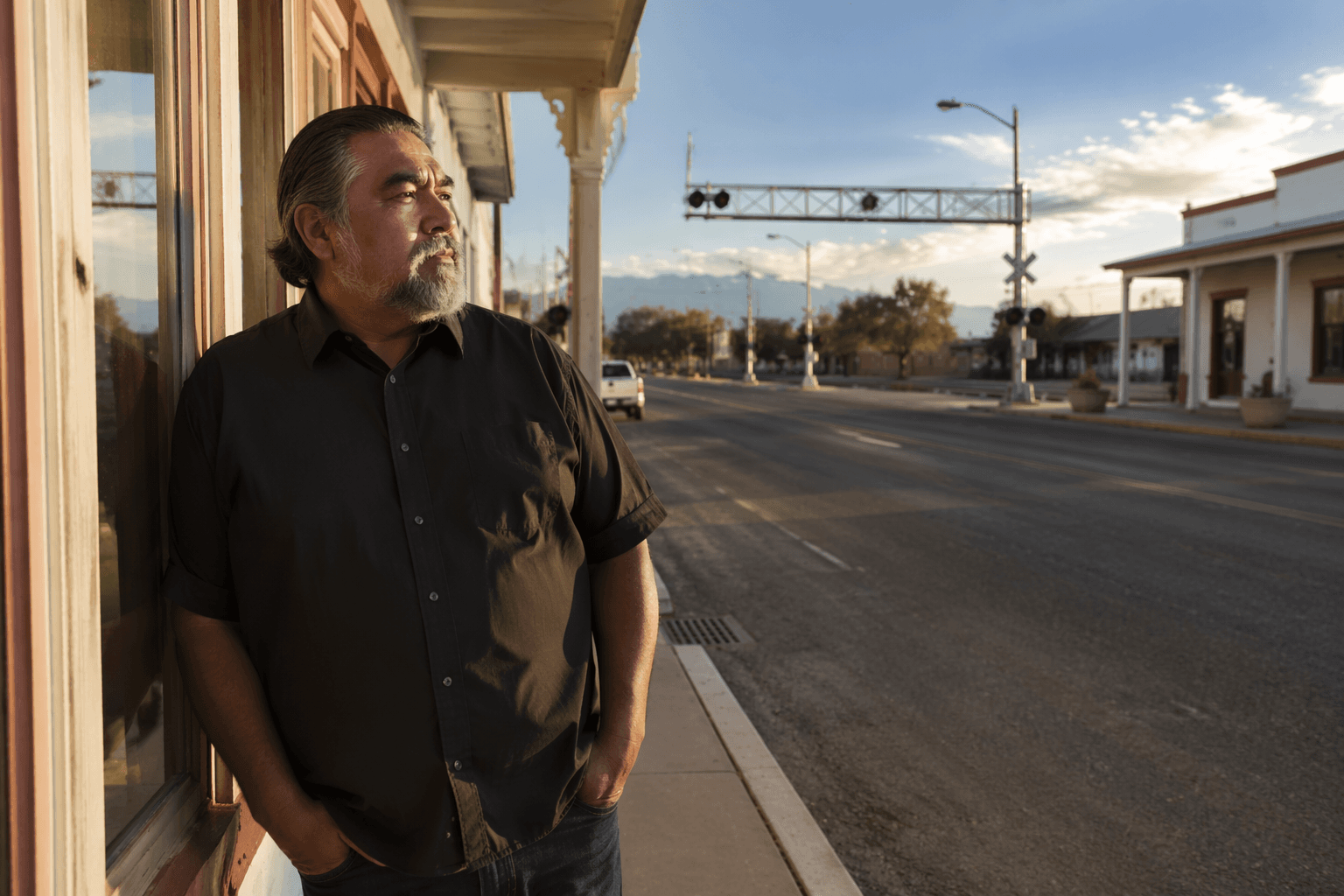
The street pattern still reflects that role. Camino del Pueblo links the town to U.S. Route 66, El Camino Real, and Old State Highway 85, giving Bernalillo a transportation story that predates the Rail Runner but still shapes how the downtown feels today. The downtown street grid and historic core preserve that layered history in plain view, from the older commercial blocks to the civic buildings clustered near the station.
The Bernalillo Community Museum places the town between Santa Fe and Albuquerque and between Sandia Pueblo and Santa Ana Pueblo, a midpoint that is geographic as well as cultural. That location helps explain why Bernalillo keeps showing up in regional planning conversations: it is one of the few places in Sandoval County where historic settlement, regional transit, and local commerce overlap so tightly.
The station is embedded, not isolated
Rio Metro says the Downtown Bernalillo station is in the center of historic Bernalillo. That placement is crucial to understanding why the stop functions differently from a suburban park-and-ride. With only 23 parking spaces, the station is built for proximity, not parking volume, and the access features signal that the site is meant to be used by more than drivers. The accessible platform and ramp, along with bicycle lockers, make the stop part of the town fabric rather than a separate transit island.
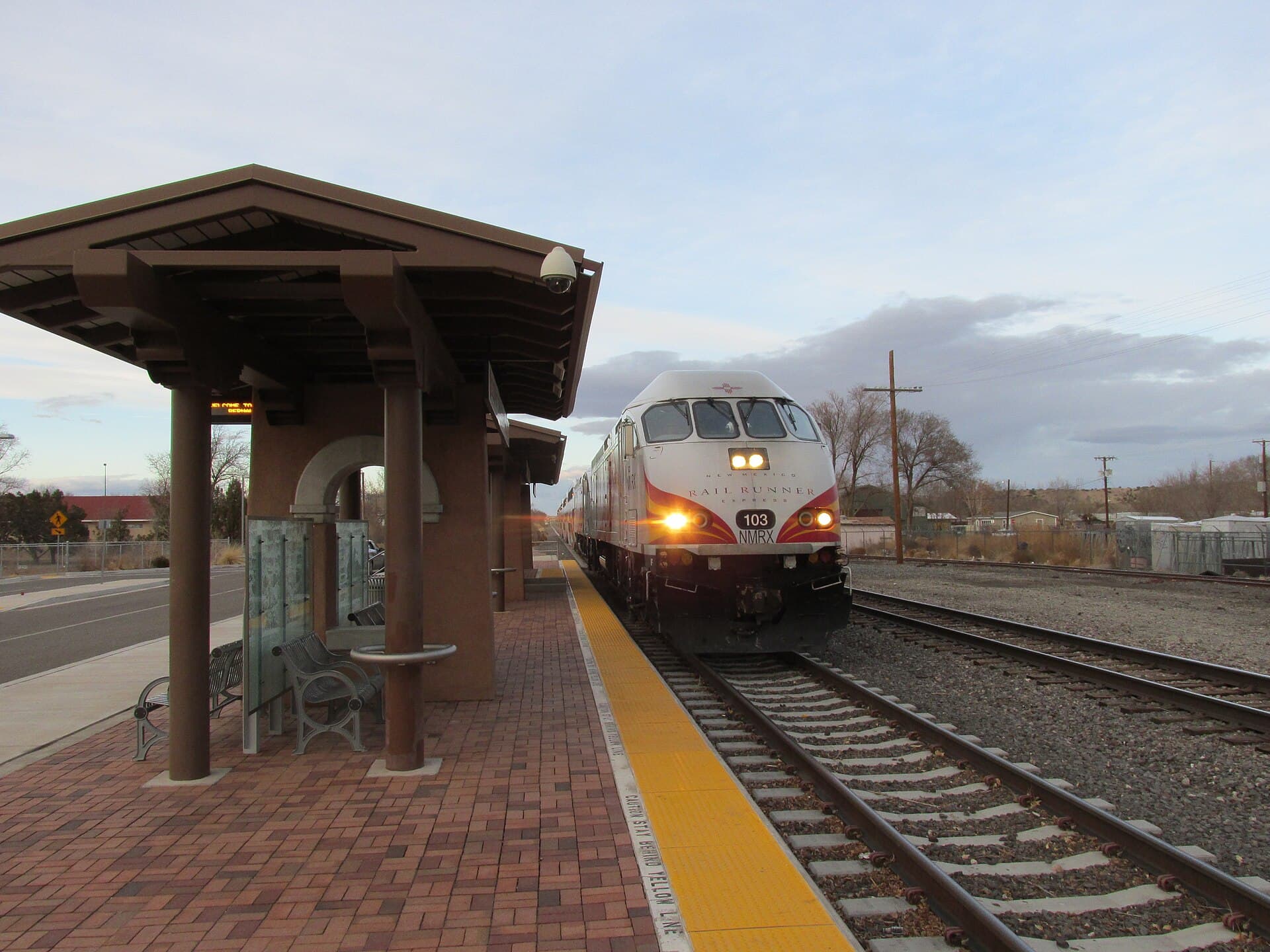
The station opened on April 27, 2007 as the seventh station on the New Mexico Rail Runner Express line. Secondary reporting has described it as the smallest parking lot of any Rail Runner station, a detail that reflects how many riders can reach it on foot from nearby homes and businesses. That is one reason the station is more than a commuter facility: it anchors a walkable downtown in a county where many transportation projects still depend on car access.
Rio Metro also frames Bernalillo as a place with “budding employment, housing, and commercial opportunities.” That language points to the real policy question around the station area: whether transit access can support more than a morning commute and help sustain a downtown economy throughout the day.
Wine history is part of the redevelopment pitch
The Sandoval County U.S. 550 Station Area plan adds a different layer to the Bernalillo story. It describes the corridor as a place where some say New Mexico’s wine industry started, and it treats that history as part of the area’s development logic. The plan calls for bus and shuttle connections, pedestrian paseos, bike routes, acequia-side paths, mixed-use development, and even a vineyard-themed parking lot.
That is not nostalgia for its own sake. It is an attempt to use a recognizable local story to shape how people move through the area now. If the station can pull riders into the downtown core, the surrounding public realm has to give them a reason to stay, walk, and spend time there.
The wine story itself is anchored in specific places and names. Sandoval Tourism says that in the early 1870s, the Christian Brothers planted thousands of cuttings near Our Lady of Sorrows in Bernalillo, opened La France Winery, and hired Louis Gros, Sr. to manage the operation. New Mexico State University’s viticulture history page adds that Giovanni Giorgio Rinaldi took over Christian Brothers Winery in Bernalillo in 1920, at the beginning of Prohibition.
The scale of the industry was substantial. NMSU says New Mexico produced 908,000 gallons of wine by 1880, and the 1880 Census showed the territory had twice the grape-vine acreage of New York. The same history also places Bernalillo inside a broader agricultural corridor, noting that vineyards were planted from Bernalillo to Socorro in central New Mexico and from Las Cruces to El Paso by 1800.
What is changing, and what is still a plan
Bernalillo’s strongest argument is not that every piece of its historic identity has already been converted into modern economic activity. It is that the town has a rare combination of assets in one small area: a rail station, a downtown grid, a long trade-route history, and a wine narrative that planners can use to shape public space. The station already exists. The accessible platform, ramp, lockers, and small parking supply are concrete. The broader station-area vision, with mixed-use development, shuttle links, paseo networks, and acequia-side paths, is still the part that has to prove itself in daily life.
That distinction matters for residents and businesses. The built-in advantages are clear: Bernalillo sits on Camino del Pueblo, in the center of historic Bernalillo, with a rail stop that is easy to reach on foot and a downtown history that connects colonial settlement to regional commerce. The harder question is whether that location can keep converting history into foot traffic, transit use, and storefront activity.
For Sandoval County, Bernalillo is the test case. It is where an almost thousand-year settlement pattern, a 1695 founding, a 2007 rail station, and a future-facing station-area plan all meet on the same streets.
This article was produced by Prism’s automated news system from verified source data, official records, and press releases, then run through automated quality and moderation checks before publishing. The system is built and supervised by the people who set the standards it runs under. Read our full AI policy.
Did this article answer your question?