Corrales Garden Tour spotlights water-wise landscaping amid drought
Corrales turned its garden tour into a drought guide, showing homeowners how smart irrigation, cisterns and soil health can cut water use and runoff.

A garden tour built for a dry county
Corrales used its annual Garden Tour to make a practical point: attractive landscapes do not have to be water-hungry. The 2026 tour, held Saturday, May 16, featured five properties and turned the village into an outdoor classroom focused on sustainable gardening, smart watering systems, regenerative agriculture and erosion control.
That message landed in a season shaped by real pressure. A severe drought had already pushed Corrales gardening toward tougher choices, and the U.S. Department of Agriculture had declared Sandoval County and other counties natural disaster areas because of drought conditions earlier in the month. In that setting, the tour was not just about what looks good in a front yard. It was about what survives, what saves money and what keeps water from being wasted.
Five sites, five different lessons
Tour chair and master gardener Sam Thompson said each property was chosen to teach something distinct. Together, the stops reflected several of Corrales’ microenvironments, including valley land, sandhills and bosque-adjacent properties. That mix matters because a yard near the bosque does not face the same drainage, soil or shade issues as a sandhill lot, and a one-size-fits-all watering plan can waste both water and money.
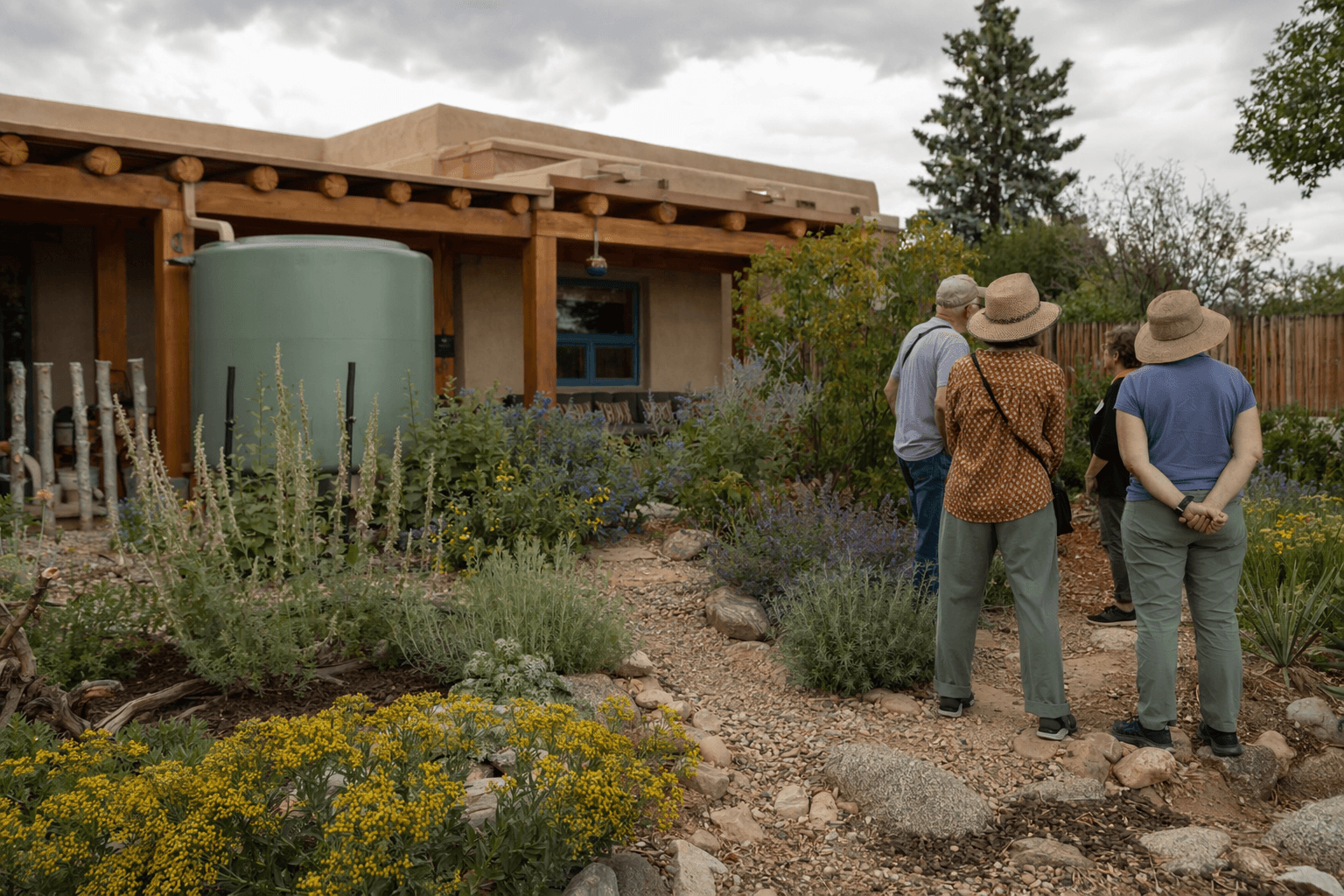
One stop showed how a smart irrigation system can trim the bill before summer demand peaks. The system is tied to an app that reads weather conditions and avoids unnecessary watering, which means the sprinklers are not running just because the clock says so. For homeowners, that is the clearest reminder from the tour: if irrigation is still based on habit rather than conditions, overwatering is almost guaranteed.
Another stop focused on erosion control in the sandhills, where residents have learned to capture rainwater in underground cisterns and direct it back to the vegetation. That approach does more than slow runoff. It keeps water on the property long enough for plants to use it, which helps reduce replanting costs, erosion damage and the kind of dry, unstable ground that can make landscaping harder to maintain.
A farm stop showed that even a small residential acre can stay productive. The site grows vegetables and fills growers’ market tents during the warm season, a useful example for homeowners trying to decide whether a yard can do more than sit ornamental. In practical terms, food-producing landscapes can replace some high-water turf with beds that yield something useful while still fitting into a neighborhood setting.
The tour also emphasized soil health, low-chemical approaches and habitat-friendly landscaping. Those choices can lower maintenance costs by reducing the need for fertilizer, pesticides and repeated replanting. They also help yards hold moisture longer, which matters when every gallon counts and summer irrigation demands rise fast.
What homeowners could take home from the tour
The strongest value of the Corrales Garden Tour was not just inspiration. It was the chance to translate what worked on these properties into steps a homeowner can use immediately.
- Use weather-aware irrigation rather than fixed watering schedules. If a system can skip a cycle because rain or cooler conditions are coming, it cuts waste before it starts.
- Capture runoff where possible. Underground cisterns and other rain-harvesting methods keep water on site and reduce erosion, especially in sandy ground.
- Match the landscape to the microenvironment. Valley land, sandhills and bosque-adjacent properties do not need the same plant mix or watering plan.
- Replace some thirsty lawn with productive planting. Even a small acre can support vegetables and other useful plantings without sacrificing the look of a cared-for yard.
- Build soil health first. Better soil structure helps retain moisture, which means less frequent watering and less stress on plants during dry stretches.
- Favor low-chemical and habitat-friendly landscaping. Those choices can reduce ongoing maintenance while supporting a yard that is more resilient from season to season.
The booklet and library classes extend the lesson
The tour was paired with a new 36-page booklet designed to give visitors something tangible to bring home. Instead of relying on memory after a day of walking through different properties, the booklet was meant to translate the lessons into next steps that homeowners can actually use in their own yards.
That follow-through continued at the Corrales Community Library, which was set to host classes from 2 to 4 p.m. The lineup included a panel with experts such as New Mexico State University specialist Dr. Marisa Thompson. Additional helpers from the Ciudad Soil & Water Conservation District and the ABQ Backyard Refuge Program were expected to share practical advice on tree care, vermicomposting and other hands-on skills.
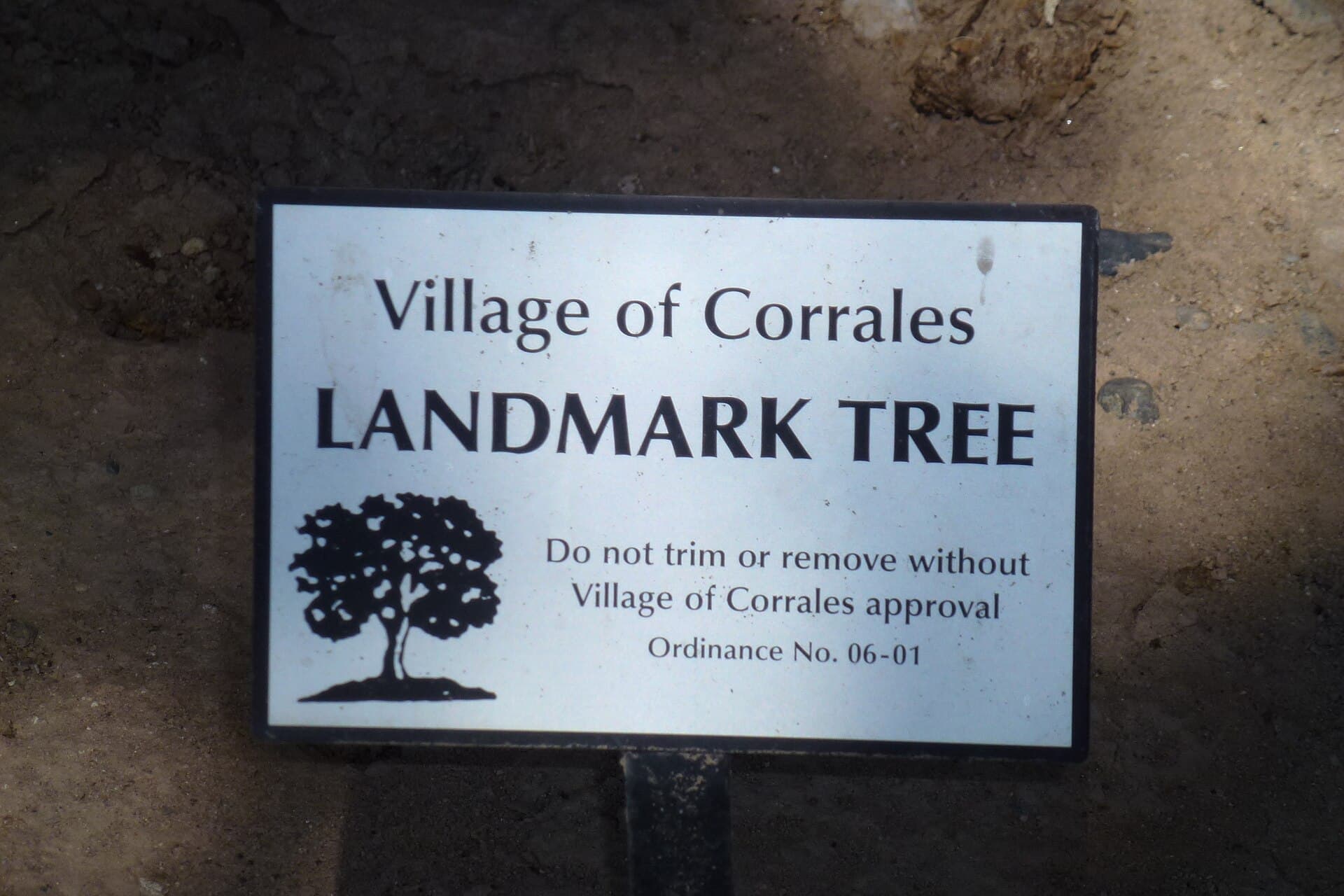
That is where the tour’s value becomes most concrete. Tree care affects shade and evapotranspiration. Vermicomposting improves soil fertility and structure without relying on chemical inputs. Both can reduce long-term landscape costs while helping yards hold up under drought conditions. The classes were built to move the conversation from admired gardens to usable habits.
Why Corrales’ approach matters now
Corrales is not trying to preserve water-wise gardening as a niche ideal. It is trying to protect the village’s identity and water supply at the same time. That is a harder task than staging a pleasant spring tour, and it is why this event stood out.
The village’s mix of agricultural heritage, residential landscapes and fragile soils makes every irrigation choice matter. By showing how one property uses smart watering, another captures rainfall, and another turns a small acre into a productive food site, the Garden Tour offered a clear template for households facing higher summer bills and tighter water margins. In a drought year, that kind of landscaping is not decoration. It is infrastructure.
Know something we missed? Have a correction or additional information?
Submit a Tip