Corrales historic sites tell the story of an agricultural village
Corrales’ adobe homes, church sites and farm landmarks form a self-guided route that shows how the village still guards its rural Rio Grande character.
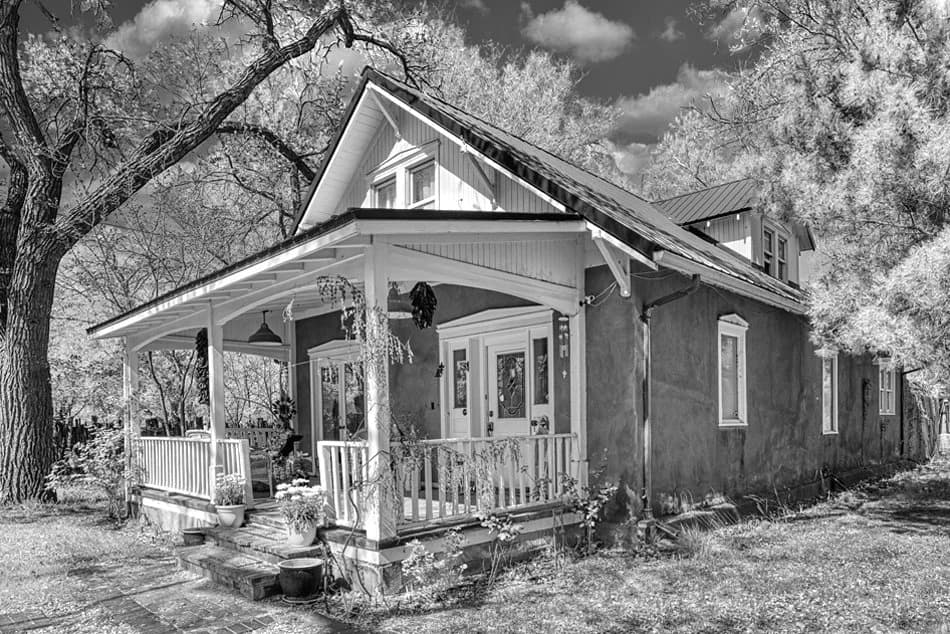
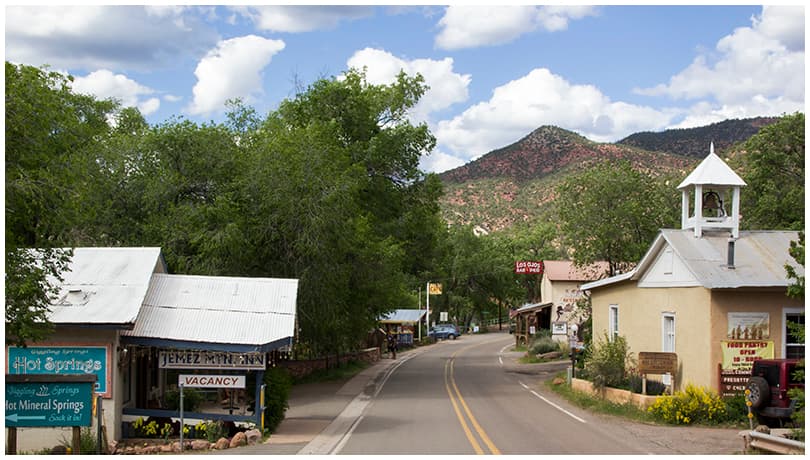
Corrales’ historic buildings are spread across the village like a map of how the place still works. Corrales MainStreet describes the site network as “recognized cultural and historic properties throughout the Village” and presents it as “A Self-Guided Tour,” which fits a semi-rural community where the past is not fenced off in one district but woven into daily land use.
A village shaped by the river and the road network
Corrales sits just north of Albuquerque on the Rio Grande River, and that geography still explains why the village looks and feels different from neighboring communities in Sandoval County. A village community vision and assessment puts the 2020 Census population at 8,636, while the U.S. Census Bureau’s QuickFacts page lists a July 1, 2025 estimate of 8,484. Those numbers keep the scale manageable, but the real story is the layout: long, narrow roads, traditional settlement patterns, acequias, adobe architecture and farm structures that still give Corrales its agricultural identity.
That built landscape is not just decorative. In a place this size, every preservation choice affects whether Corrales keeps its rural character or slides toward a more suburban edge. The village’s historic sites show how residents have chosen to protect that identity by keeping landmarks visible, accessible and tied to the land around them.
Start at Old San Ysidro Church
The clearest anchor in Corrales history is San Ysidro Church, better known locally as Old San Ysidro Church. The church was erected in 1868 and added to the National Register of Historic Places in 1980, placing it among the village’s most documented landmarks. The Corrales Historical Society says Old Church Tours are free and open to the public, run March through November, and begin at 966 Old Church Road in Corrales, New Mexico.
That setting matters as much as the building itself. KRQE reported that the church is roughly 166 years old and has undergone restoration, and that it was owned by the Archdiocese of Santa Fe for most of its lifespan before becoming village-owned in the 1970s. The Corrales Comment reported in 2025 that restoration of the church’s interior had been completed, showing that preservation here is active work, not a finished display case.
For visitors, that means the church is both a historic site and a community choice. Keeping it open, repaired and publicly legible helps preserve a rural fabric that cannot survive on memory alone.
Casa San Ysidro ties domestic life to museum preservation
A few minutes away, Casa San Ysidro, the Gutiérrez/Minge House at 937 Old Church Road, adds another layer to the village’s story. The Albuquerque Museum identifies the property as Casa San Ysidro, and verified listings say it was originally built by Jesús María Gutiérrez in 1875 before being renovated by Dr. Ward Alan Minge and his wife Shirley Jolly Minge. That sequence links an 19th-century home, later preservation work and a modern museum identity.
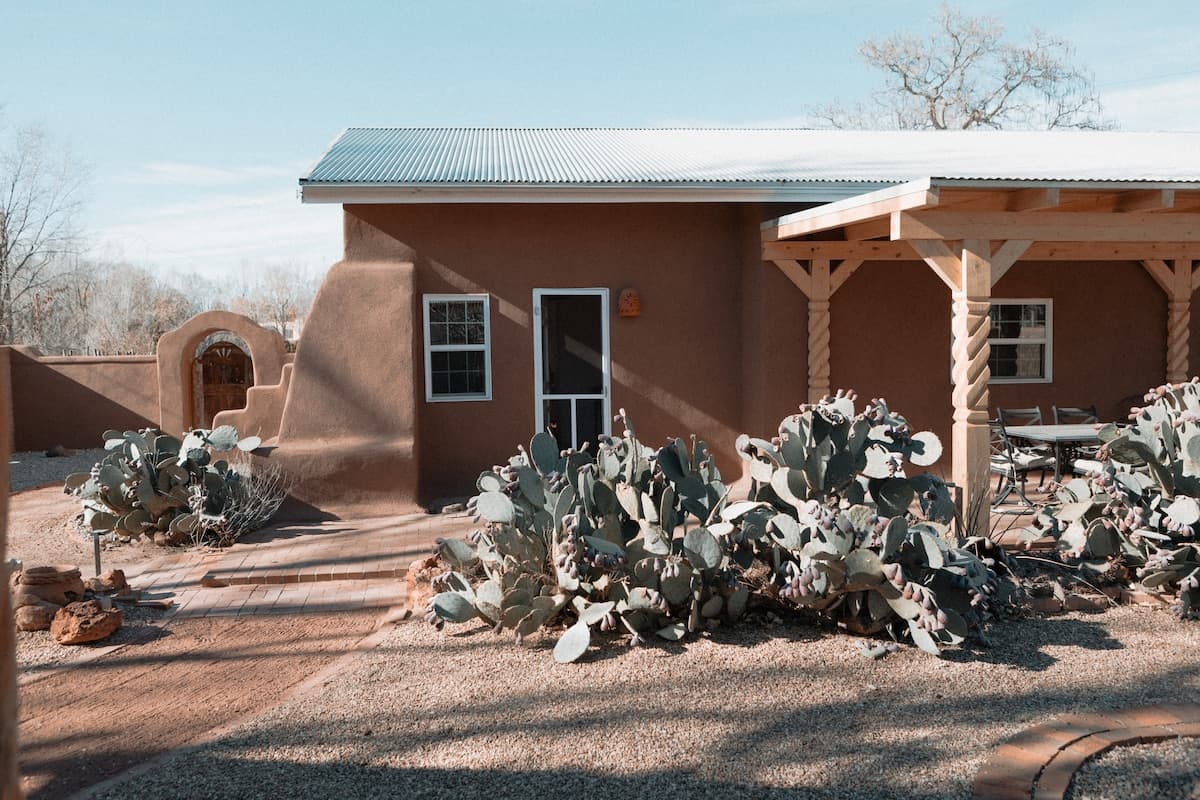
Casa San Ysidro matters because it shows that Corrales history is not only about churches and public landmarks. It also runs through domestic architecture, private stewardship and the preservation of Northern New Mexico building traditions. In a village where adobe homes and farm properties still shape the view, that kind of restoration helps explain why Corrales feels lived-in rather than staged.
How to follow the village-wide tour
The Historic Landmarks Tour directs visitors to take a self-guided walk through Historic Corrales and visit the village’s landmarks at their own pace. That format works because Corrales is spread out enough that no single stop can tell the whole story. Instead, the route asks people to connect the church, the house museums, the roads and the open spaces that made an agricultural village.
- Old San Ysidro Church at 966 Old Church Road
- Casa San Ysidro at 937 Old Church Road
- Other recognized cultural and historic properties scattered throughout the village
A useful starting loop is simple:
Historic Santa Fe Foundation has also highlighted Corrales with its “A Day in Corrales” program, pairing Casa San Ysidro and Old San Ysidro Church. The New Mexico Tourism Department also positions Corrales as a visitor destination, which reinforces the idea that this is not just a local memory project. It is a place where tourism, preservation and land-use decisions meet.
What Corrales is choosing to keep
Corrales’ historic landscape still shows the village’s original logic: homes, church properties, farm structures and acequia-based agriculture arranged around the Rio Grande valley. That is why the village’s preservation debates are never only about buildings. They are about whether the community keeps the long, narrow road pattern, the open agricultural edges and the adobe landmarks that make Corrales recognizable from the road and on foot.
The value of the self-guided tour is that it makes those choices visible. Every stop in Historic Corrales points to a larger question about land use, and every restored wall or maintained church shows the same answer: the village is still choosing to remain an agricultural place, not just remember one.
This article was produced by Prism’s automated news system from verified source data, official records, and press releases, then run through automated quality and moderation checks before publishing. The system is built and supervised by the people who set the standards it runs under. Read our full AI policy.
Did this article answer your question?