Early water cutoff threatens Corrales farms, orchards and vineyards
Corrales farmers lost irrigation water before summer, putting orchards, vineyards and vegetable plantings at risk and forcing growers to scramble for backups.
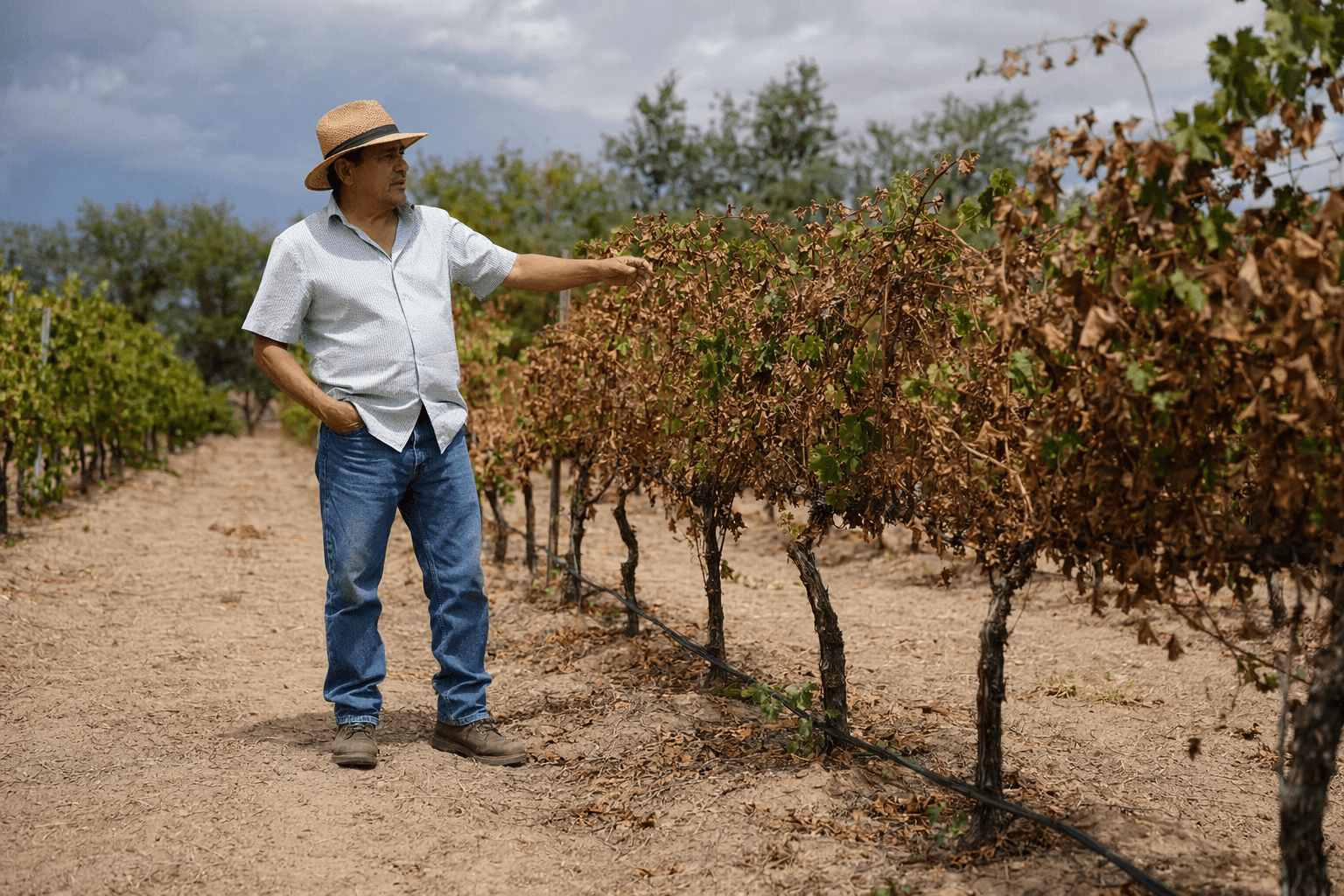
Corrales growers lost their irrigation water before summer even arrived, and the cutoff landed hardest on orchards, vineyards and vegetable fields that depend on acequia deliveries early in the season. The Middle Rio Grande Conservancy District suspended Corrales-area deliveries on April 21 after Rio Grande levels fell below the threshold needed to keep pumping water into the Corrales Main Canal, leaving farmers to protect crops with whatever wells, drip lines and stored water they could manage.
At Corrales Classic Farms, Ysabela Trujillo said the shortage went beyond inconvenience. Apple trees and grapes were especially exposed because they rely on acequia water, while garlic and onions had at least been planted with some backup irrigation in place. Russel Trujillo said in earlier coverage that the farm had received only five irrigation deliveries in the prior year, a sign of how thin the margin had already become for growers trying to keep permanent crops alive. For a village built around agriculture, the threat now is that missed waterings will translate into damaged trees, smaller harvests and fewer local products coming out of Corrales fields later this year.
The district said the cutoffs came after river levels fell below the point where temporary pumping could still work. Anne Marken, the district’s river operations manager, said the agency had not been in this situation this early in the season before. The Corrales system now depends on emergency pumping that lifts Rio Grande water into the canal, after the historic siphon was deemed inoperable in 2022. The old Corrales siphon was a 5-foot-diameter, 1,200-foot-long wood-stave pipe; the district said construction of a new siphon was underway, with completion expected before the end of 2026 and use planned for the 2027 irrigation season.
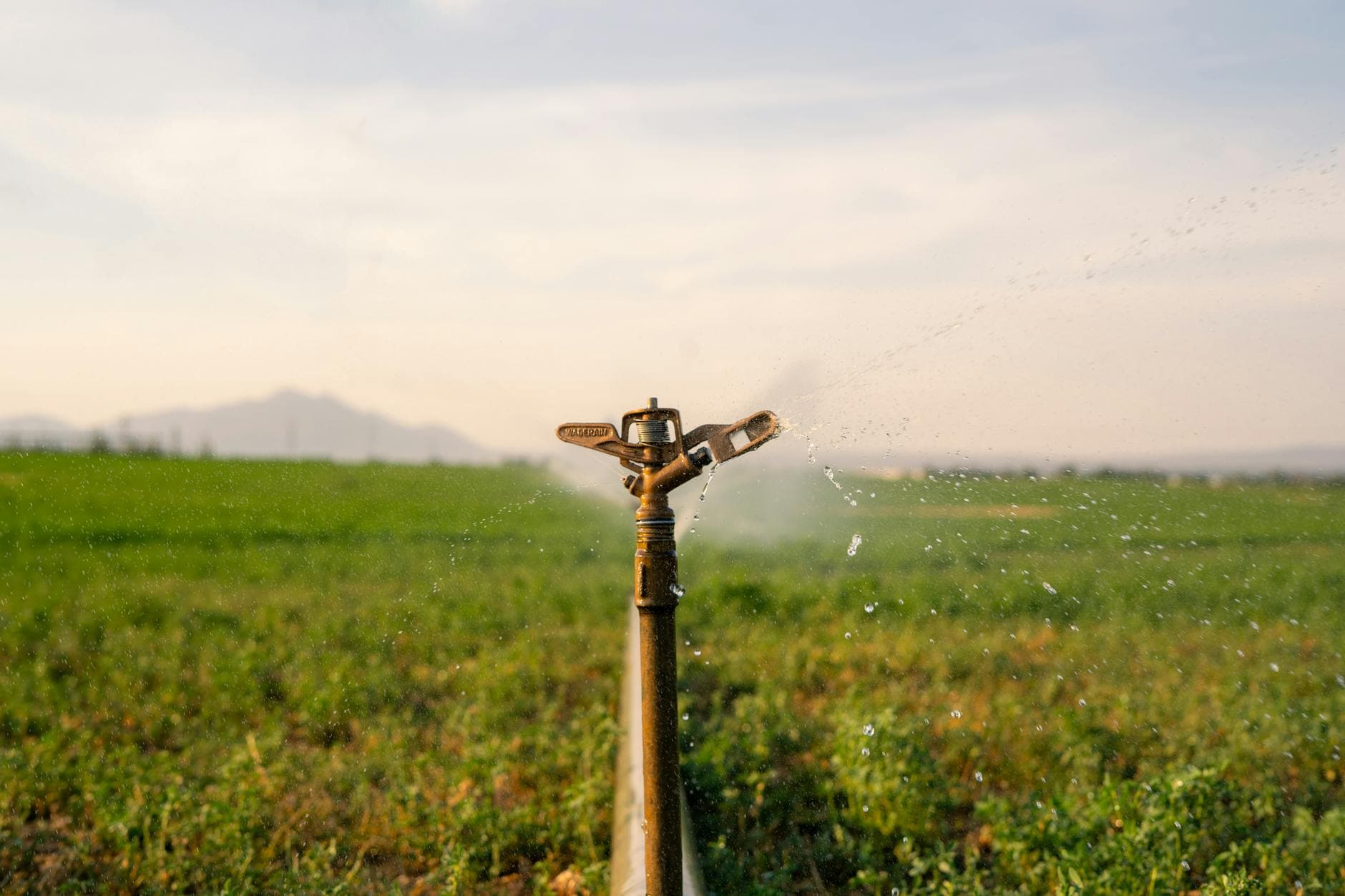
The village’s agriculture guidance shows how much is at stake. The Corrales Main Canal serves about 1,000 acres in ISO zones A03 and part of A13, while the broader Middle Rio Grande system serves about 11,000 irrigators, six pueblos and 100,000 parcels. Village guidance also warns irrigators to expect deliveries at night or on weekends and to plan around forecast shortages. If river levels recover, the district could restart deliveries on short notice, but until then growers are being forced to make planting and harvest decisions with no guarantee of the next watering.
The shortage fit a wider water picture that was already looking grim. The USDA Natural Resources Conservation Service reported that as of March 31, most New Mexico basins were already in “No Snow” conditions, with snow water equivalent at just 7% of normal in the Rio Chama-Upper Rio Grande basin, 9% in the Rio Grande Headwaters and 11% in the San Juan basin. Drought.gov said April 1 snowpack values hit record lows across New Mexico and several western states, while the Rio Grande gauge near Albuquerque read about 2.48 feet on April 28. For Corrales farms, that meant the season opened not with promise, but with a fight to keep water on the land.
This article was produced by Prism’s automated news system from verified source data, official records, and press releases, then run through automated quality and moderation checks before publishing. The system is built and supervised by the people who set the standards it runs under. Read our full AI policy.
Did this article answer your question?