Jemez Historic Site to host Indigenous astronomy program Saturday
At Jemez Historic Site, a free Saturday program paired sun-viewing telescopes with Pueblo astronomy inside a 700-year-old village site.

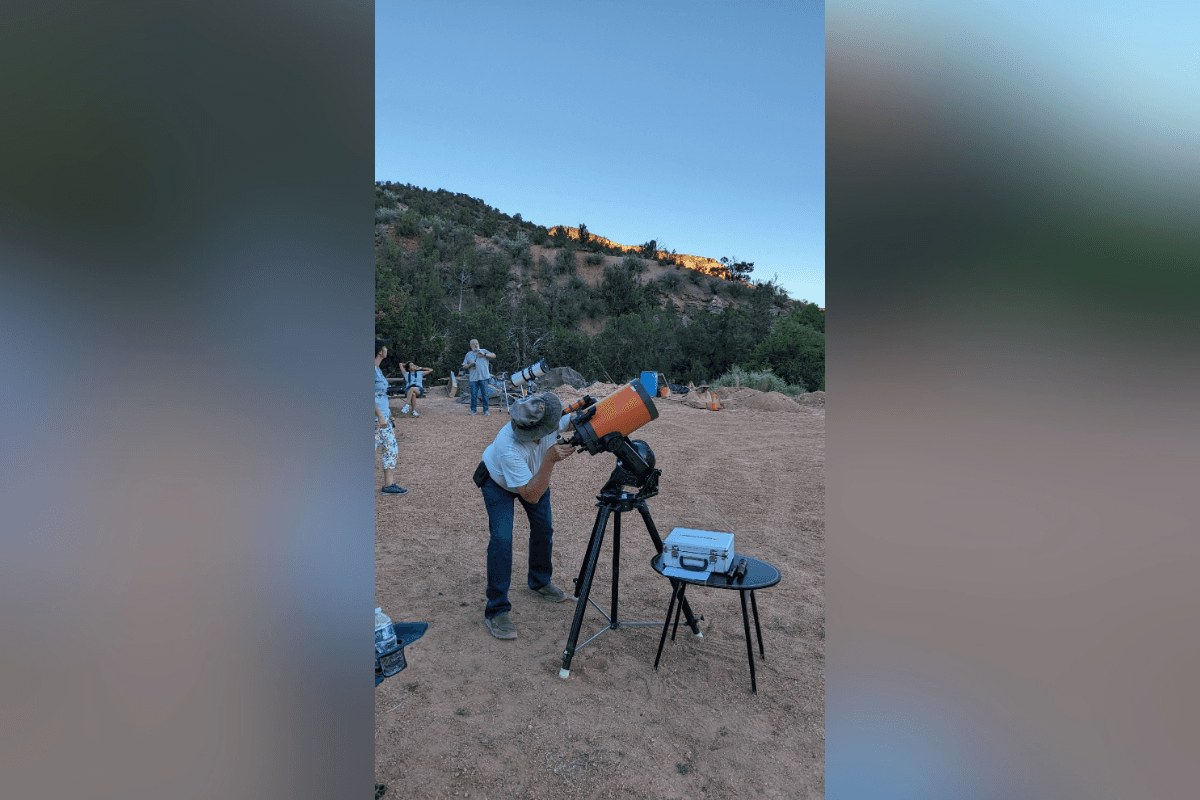
Visitors at Jemez Historic Site spent Saturday looking at the sky through an Indigenous lens, as a free astronomy program ran from 11 a.m. to 1 p.m. at the landmark on NM Highway 4 just north of Jemez Springs. The session used special sun-viewing telescopes and was led by an instructional coordinator who explained how Southwestern Indigenous peoples observed, interpreted and stayed connected to the world above them.
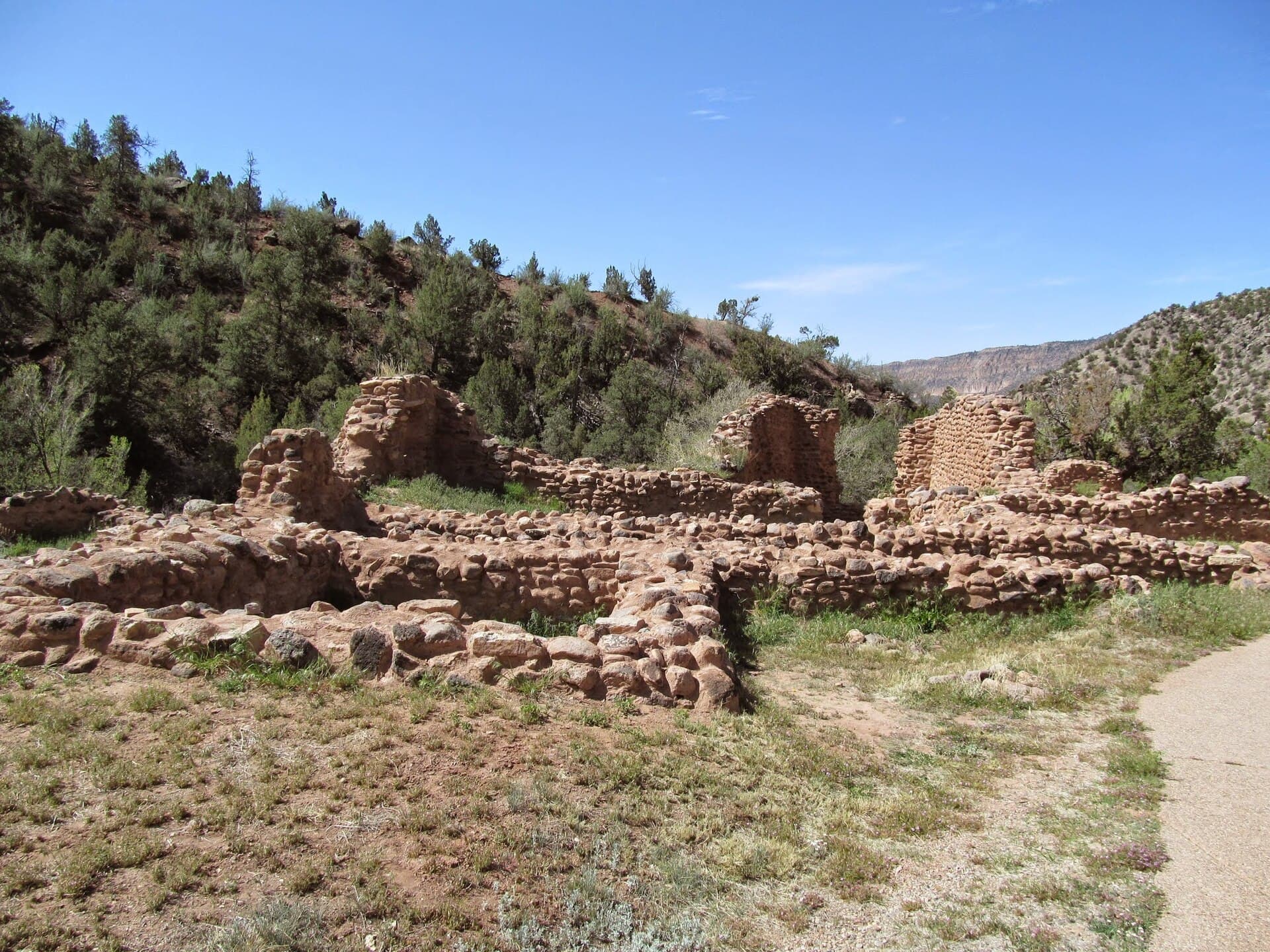
That approach gave the program a different weight from a standard stargazing outing. Instead of treating the sky as a backdrop, the presentation placed astronomy inside the cultural history of the Jemez people and the landscape itself. Jemez Historic Site includes the stone ruins of a 700-year-old village and the San José de los Jémez church, which dates to 1621-22, making the setting one of the most historically layered places in Sandoval County.
The site’s visitor center presents the history and culture of the Jemez people in their own words, and the astronomy program fit that mission by linking present-day observation with Indigenous knowledge that remains active today. The Jemez Pueblo is federally recognized, has more than 3,400 tribal members and is located in north-central New Mexico, about 50 miles northwest of Albuquerque. Tribal materials say the people continue to integrate their culture with modern society, a point reflected in programming that brings science, history and heritage into the same public space.
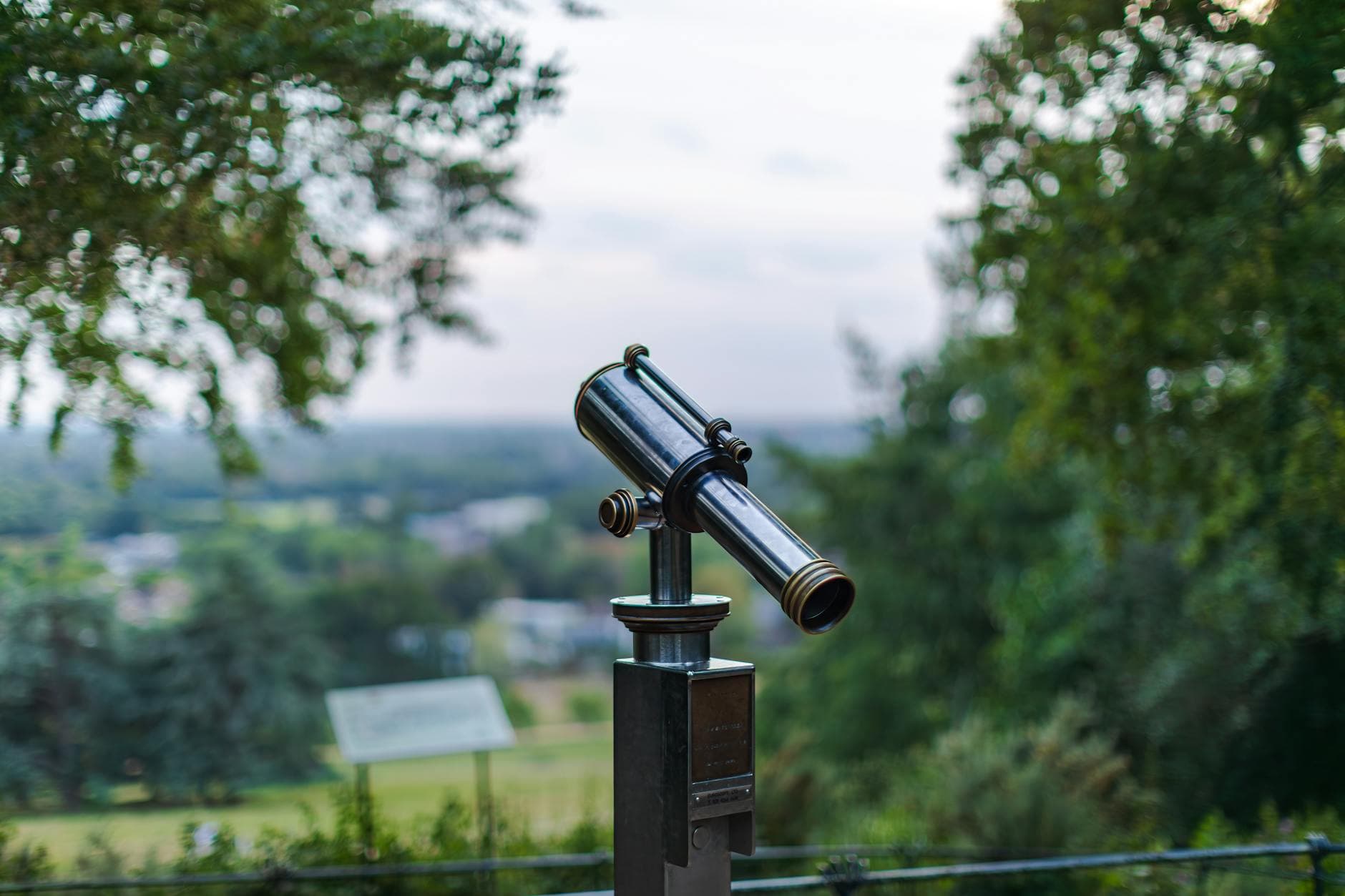
The event was part of a broader Looking to the Skies theme that also included nighttime stargazing at Gisewa. That added another layer to the site’s interpretation of the landscape, where the name Gisewa refers to the nearby hot springs and where ancestors of present-day Jemez Pueblo people built a large pueblo about 700 years ago. Spanish Franciscan missionaries later established the mission there as part of colonization and conversion efforts, a history that still shapes how the site is understood today.
A New Mexico Department of Cultural Affairs listing said the daytime program was included with standard site admission, with adults paying $7 and children 16 and younger, along with some other groups including people with Native or Tribal affiliations, admitted free. The site’s regular hours are Wednesday through Sunday from 10 a.m. to 4 p.m., keeping Jemez Historic Site open as both a tourism stop and a place where visitors can encounter living Pueblo knowledge in a landscape that carries centuries of history.
Know something we missed? Have a correction or additional information?
Submit a Tip