Tent Rocks requires reservations, limited tickets for visitor safety
Tent Rocks now requires a reservation and a Cochiti Pueblo access pass, with limited tickets meant to protect its fragile hoodoos and slot canyons.
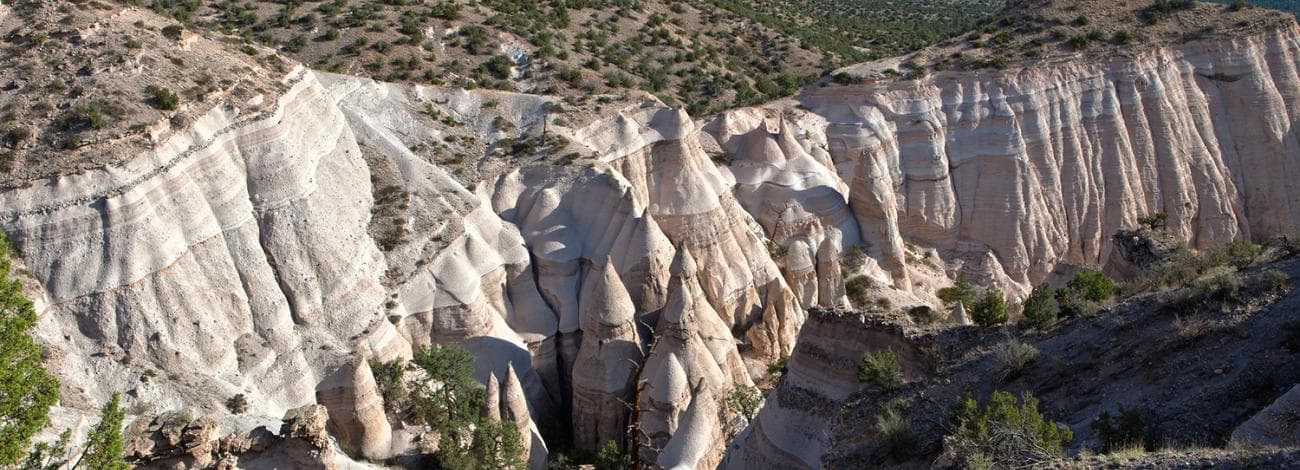
Kasha-Katuwe Tent Rocks National Monument is not a place to simply pull over and start hiking. Visitors need a reservation, tickets are limited, and access runs through both the Bureau of Land Management and Cochiti Pueblo. That system exists because the monument’s hoodoos, slot canyons, and narrow trails can be damaged by crowding just as easily as they can be admired.
Before you go
The monument is open for visitation Thursday through Monday, excluding designated closure dates. To get in, you must complete two steps: reserve a Bureau of Land Management ticket reservation for every visitor in your group and purchase a Cochiti Pueblo Tribal Access Pass. Recreation.gov directs visitors to search for “Kasha-Katuwe Tent Rocks National Monument Ticketed Entry,” which is the clearest route for planning a trip before a weekend, holiday, or other busy day.
The BLM trail guide makes the access rules even plainer: visitation is by reservation only, and tickets are limited for visitor safety and resource protection. That matters at Tent Rocks more than it would at a broad open meadow or a roadside overlook, because the monument is managed as a controlled-entry site rather than a standard public trailhead. The monument is managed by the BLM, but the access pass system ties entry to Cochiti Pueblo, underscoring that visitors are moving through a co-managed landscape with layered rules.
What the terrain demands
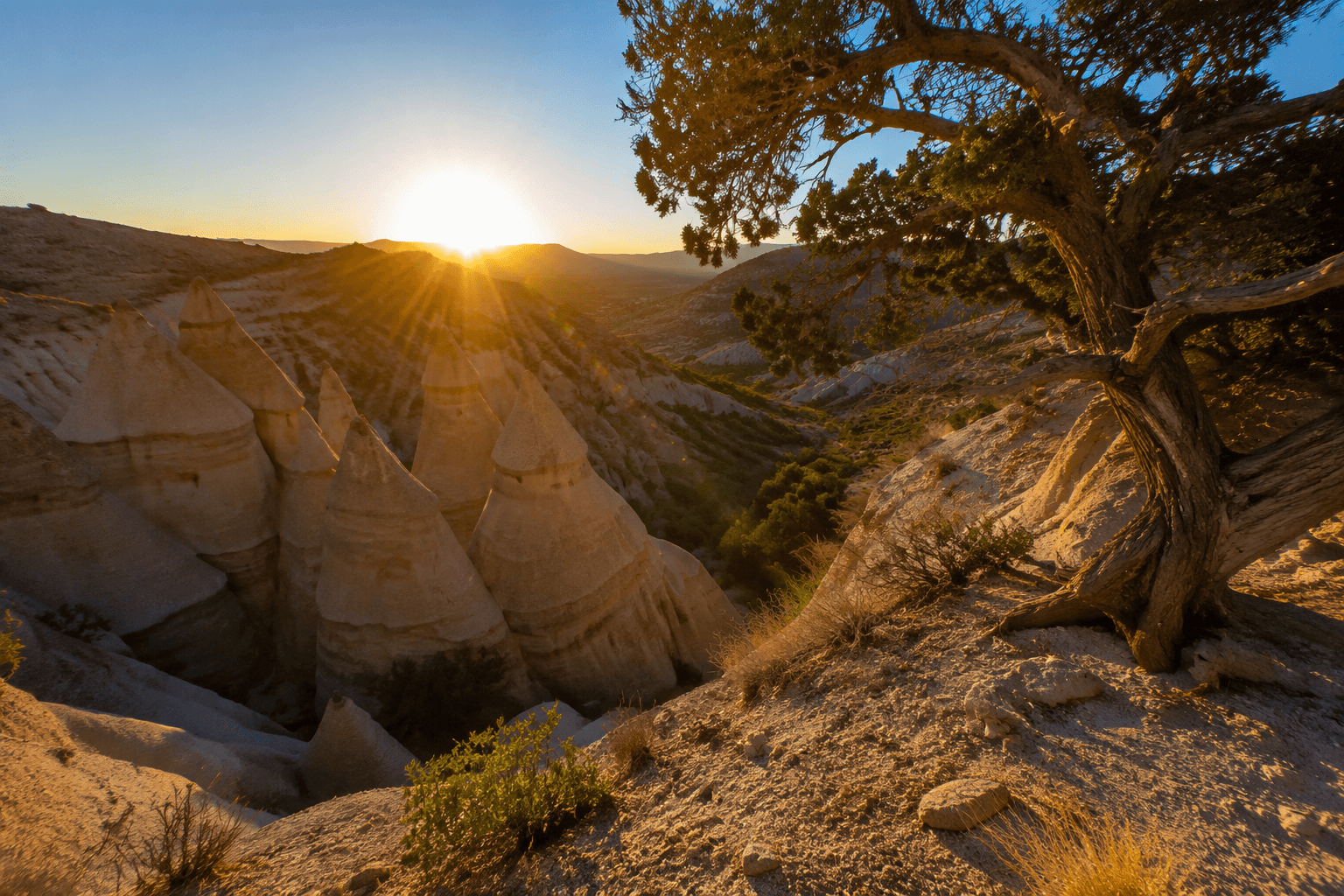
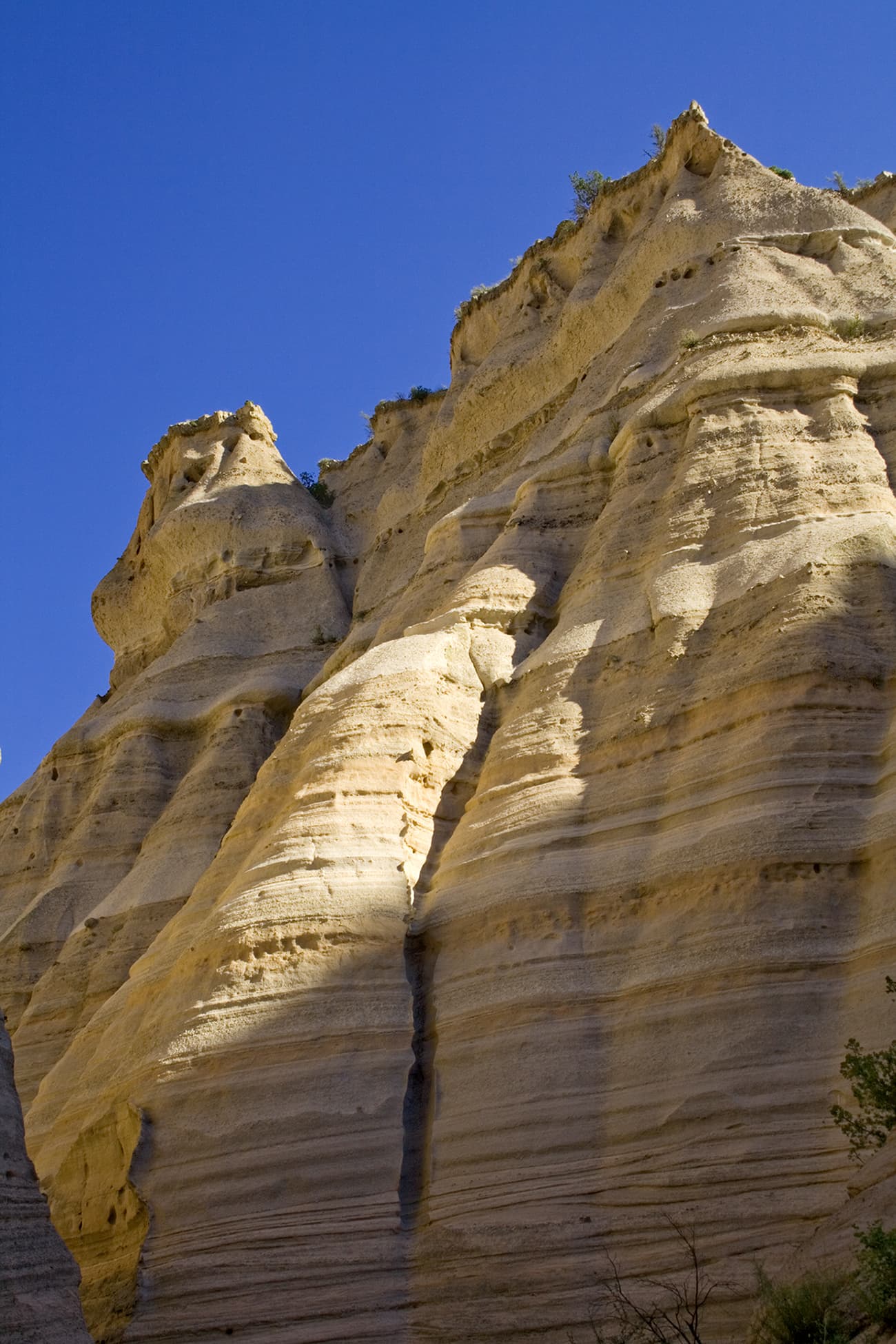
Recreation.gov describes Kasha-Katuwe as a “remarkable outdoor laboratory,” and the phrase fits the site’s steep cones, slot-canyon passages, and delicate geology. The monument sits on the Pajarito Plateau in north-central New Mexico, ranges from 5,570 feet to 6,760 feet above sea level, and is for foot travel only. Those details are not just scenic facts, they explain why the trail system cannot absorb unlimited traffic the way some other local outdoor sites can.
The same landscape that makes Tent Rocks a draw also makes it vulnerable. Narrow routes concentrate foot traffic, and fragile formations can be worn down by people leaving the trail, widening paths, or crowding into tight spaces where the ground cannot recover quickly. In a place built on soft volcanic deposits and erosional forms, management is a conservation decision as much as a visitor service.
Why the limits exist
BLM’s 2024 annual manager’s report says the monument remained closed in fiscal year 2024, making four years since its closure in 2020. The report also says the site drew upwards of 100,000 visitors a year before COVID, a number that helps explain why reservations and capacity limits became central to the current access model. When demand is that high, unmanaged use can quickly become a safety issue and a resource-protection problem at the same time.
Leave No Trace identified Kasha-Katuwe Tent Rocks as a 2018 hot spot and pointed to visitor-created trails, trail widening, and litter. Those impacts are the practical reason the BLM keeps tickets limited and ties entry to a reservation system. The goal is not to make the monument harder to enjoy, but to keep the geology intact enough that the same trails and formations can still be reached in future seasons.
How the fee system works
The reservation system includes a fee structure that can matter for families and pass holders comparing costs before they go. America the Beautiful passes are accepted during the reservation process, and the pass holder plus three additional visitors can have the fee waived. That makes the monument one of the more structured fee sites in the region, with a clear distinction between admission, access, and the separate tribal pass requirement.
That dual system also reflects how the site is managed on the ground. A BLM ticket alone does not complete entry, and the Cochiti Pueblo Tribal Access Pass is not optional. Visitors need both pieces in place before arrival, which is why last-minute plans can fall apart during busy periods.
A monument shaped by policy as well as rock
President Bill Clinton established Kasha-Katuwe Tent Rocks National Monument by proclamation on January 17, 2001. A 2004 Federal Register notice identifies it as Kasha-Katuwe Tent Rocks National Monument, Sandoval County, New Mexico. Those documents matter because they place the site inside a long federal history of conservation, rather than treating it as a newly promoted recreation area.
The monument’s cultural setting is equally important. Its name and management sit alongside Cochiti Pueblo and the Pueblo de Cochiti, not apart from them, and that makes the access rules part of a larger relationship between tourism, conservation, and tribal stewardship. In practical terms, the visitor experience is shaped by both federal protection and Pueblo access controls.
Recent reopening and continued management
BLM and Cochiti Pueblo announced the monument would reopen on November 21, 2024, after the long closure period. In November 2022, the Rio Puerco Field Office, Albuquerque District Office, and New Mexico State Office began a year-long effort to create a Title IV, Section 638 multi-year funding agreement, a sign that the reopening was tied to administrative and funding work, not just a simple gate opening. BLM also posted in 2025 about enhancing sustainable recreation at the monument, keeping the focus on managing use rather than expanding it without limits.
New Mexico Magazine reported the reopening in May 2025 and quoted Adolph Bandelier describing the formations as “the strange formations of rock, sculpted by time and elements.” The line fits what visitors see when they reach the trails, but the more immediate story for Sandoval County is how tightly that landscape is controlled. At Tent Rocks, the reservation system is the point, not an inconvenience, because the site’s beauty depends on keeping access measured, limited, and tied to the land that makes it worth visiting.
This article was produced by Prism’s automated news system from verified source data, official records, and press releases, then run through automated quality and moderation checks before publishing. The system is built and supervised by the people who set the standards it runs under. Read our full AI policy.
Did this article answer your question?