Brodeur highlights Seminole County’s role in regional water planning
Brodeur said Seminole County is tied to the same regional water limits as Orange and Osceola, as planners map 20 years of demand across Central Florida.
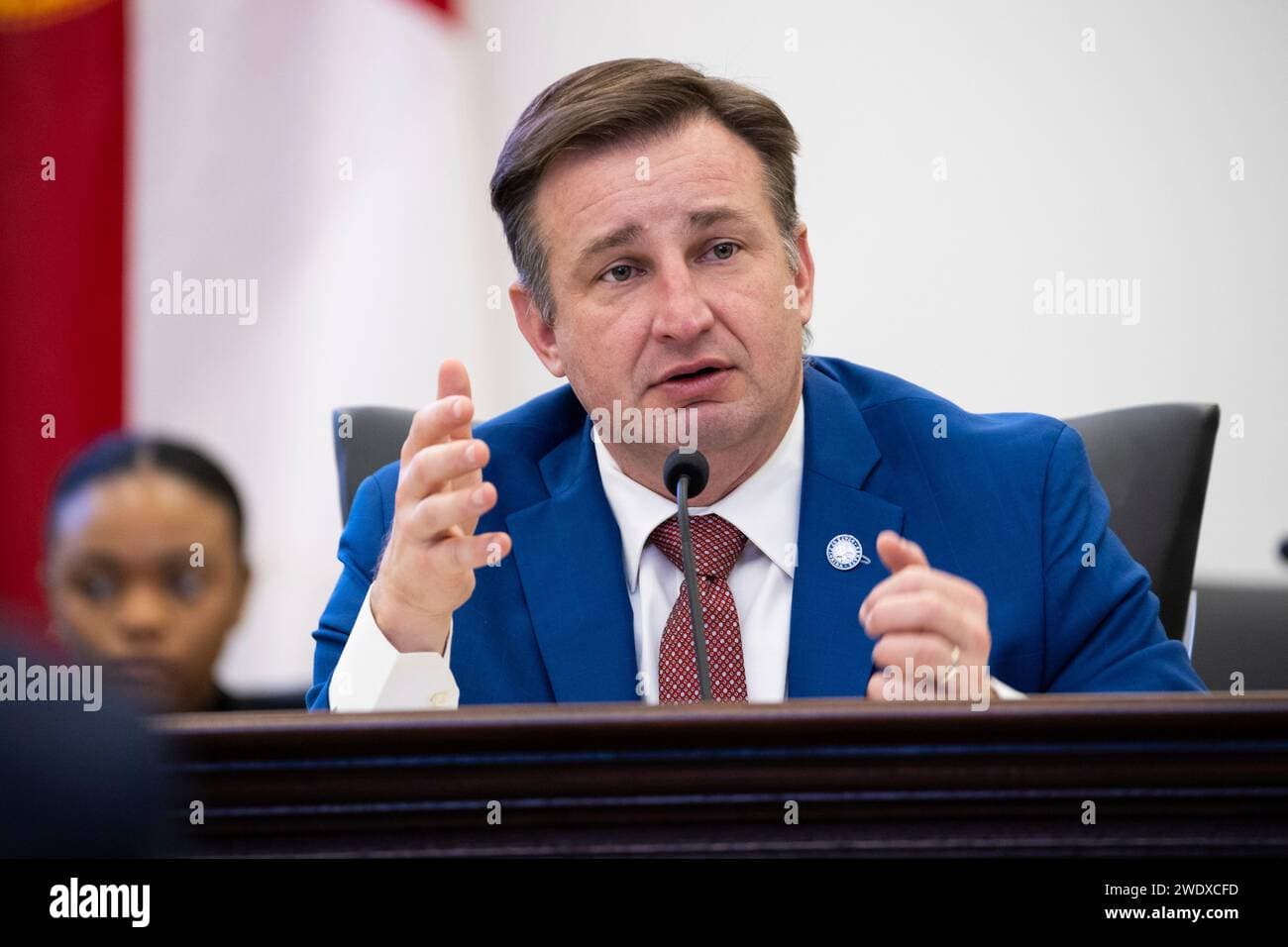
State Sen. Jason Brodeur said Seminole County is bound to the same regional water system as Orange, Osceola and southern Lake counties, a setup Florida created because the Floridan Aquifer is approaching sustainable limits of use in the area. For Seminole residents, that means future water planning is no longer just a county issue: it is tied to how fast the region grows, how much new supply can be developed, and what projects get funded first.
Florida statute 373.0363 defines the Central Florida Coordination Area as Polk, Osceola, Orange and Seminole counties, plus southern Lake County. Within that area, the St. Johns River, South Florida and Southwest Florida water management districts have cooperated because the groundwater system can no longer be treated as an open-ended source. The Central Florida Water Initiative has been working in partnership since 2013 to build one regional water supply plan for the whole area.
That planning area covers about 5,300 square miles and includes Orange, Osceola, Seminole, Polk and southern Lake counties. Its 20-year plan is designed to identify existing and projected water needs through 2045, along with the funding sources needed to meet them. For Seminole County homeowners, that planning affects whether water service keeps pace with new subdivisions, and for developers it shapes the price and timing of the infrastructure needed to support growth.
Brodeur represents Senate District 10, which includes Seminole County and part of Orange County, and he has kept water and environmental issues near the center of his legislative work. In Seminole County, Lake Jesup remains one of the clearest examples. The St. Johns River Water Management District designated the lake a priority basin for restoration in 2002, and the Florida Department of Environmental Protection adopted a phosphorus total maximum daily load in 2008 to address its nutrient pollution.

Brodeur’s 2025 local funding request described Lake Jesup as a shallow, nutrient-impaired lake in Seminole County, reinforcing that local water planning is not just about supply but also about cleanup and restoration. He also filed SB 1120 in 2026, a measure that would let water management districts levy certain ad valorem taxes by referendum for projects tied to water supply, water quality, flood protection, floodplain management and natural systems.
The stakes reach beyond Seminole County lines. Osceola County water officials have already moved ahead with major infrastructure work, including the Toho Reservoir and Water Treatment Facility project, as they prepare for long-term shortages. As Central Florida grows, the question for Seminole County is no longer whether regional water planning matters, but which projects local taxpayers, utilities and developers will be asked to support first.
This article was produced by Prism’s automated news system from verified source data, official records, and press releases, then run through automated quality and moderation checks before publishing. The system is built and supervised by the people who set the standards it runs under. Read our full AI policy.
Did this article answer your question?