DNA solves 24-year Sanford cold case, man gets life sentence
DNA testing cracked a 24-year Sanford murder, sending Gary A. Durrance to life in prison and spotlighting other cold cases in Seminole County.

Modern DNA testing reopened a 24-year-old Sanford killing and ended with Gary A. Durrance sentenced to life in prison for the murder of Sherry Holtz. The case, long frozen by evidence that could not be fully analyzed in 2000, shows how preserved physical evidence can still break open crimes that once looked unsolvable.
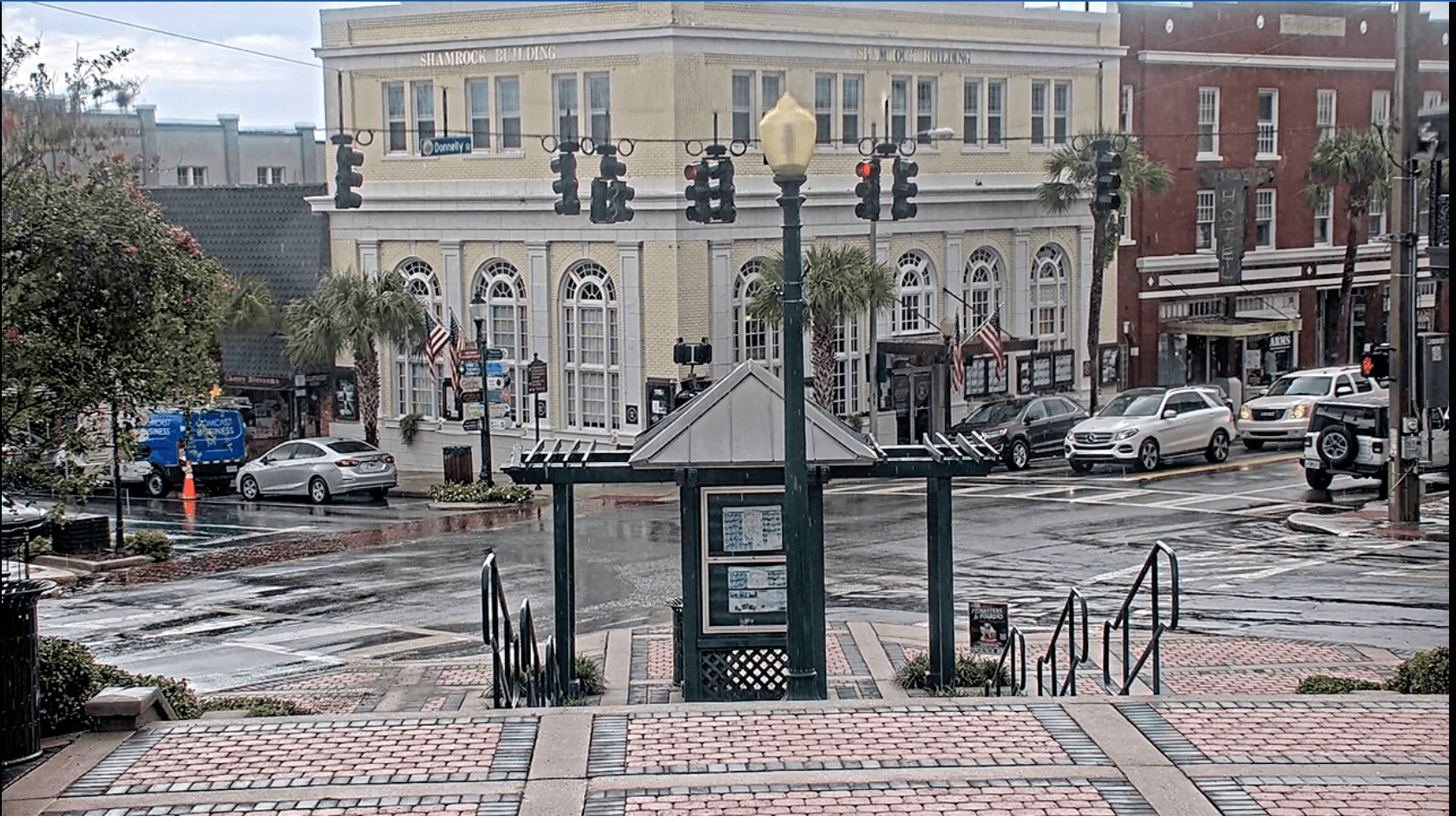
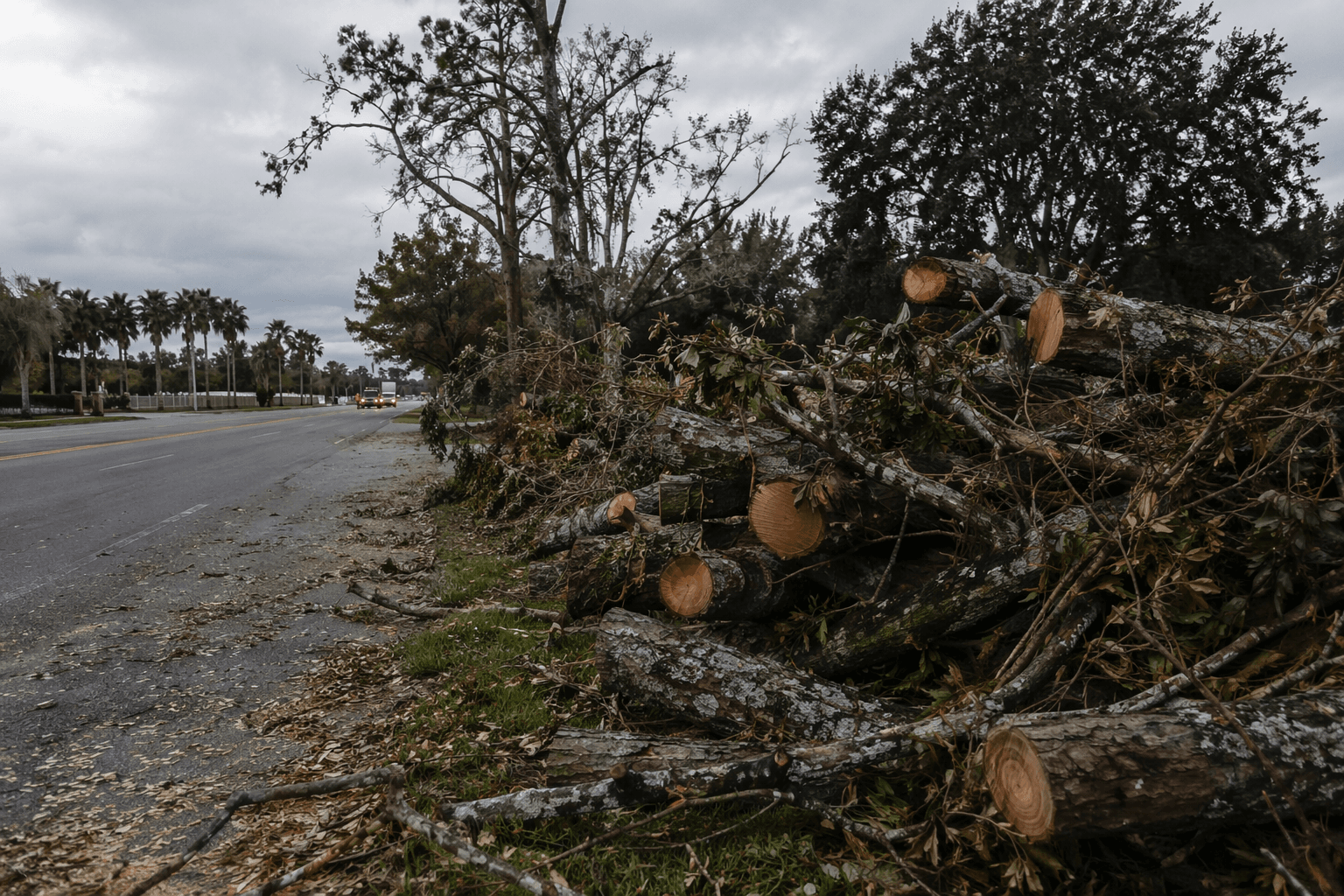
Holtz was 50 when a person collecting cans found her body on Dec. 4, 1999, in a wooded area about 20 feet into the tree line behind a business in the 2800 block of South Orlando Drive in Sanford. Police said her neck had been cut and that she also suffered blunt-force trauma, strangulation and sexual battery.
Sanford police said the original DNA testing from that era was inconclusive because the samples were too small for testing at the time. Investigators later resubmitted the evidence to the Florida Department of Law Enforcement in May 2023, and received a DNA report in June 2024 that linked blood on a knife blade to Holtz and DNA on the handle to Durrance. Police arrested Durrance, Holtz’s longtime boyfriend, in July 2024.

Detectives said the case also carried a history of domestic violence incidents and that Holtz and Durrance had lived together with roommates. Investigators said there were gaps in Durrance’s alibi, and police said he told them he had not seen Holtz since the first day she was missing. Sanford police also said they obtained a confession from the suspect.
A Seminole County jury needed only eight minutes to convict Durrance of second-degree murder, and prosecutors said he was sentenced to life in prison on June 19, 2026, closing a case that had gone cold for 24 years. The Office of the State Attorney for the 18th Judicial Circuit said the sentence followed the brutal 1999 killing in Sanford.
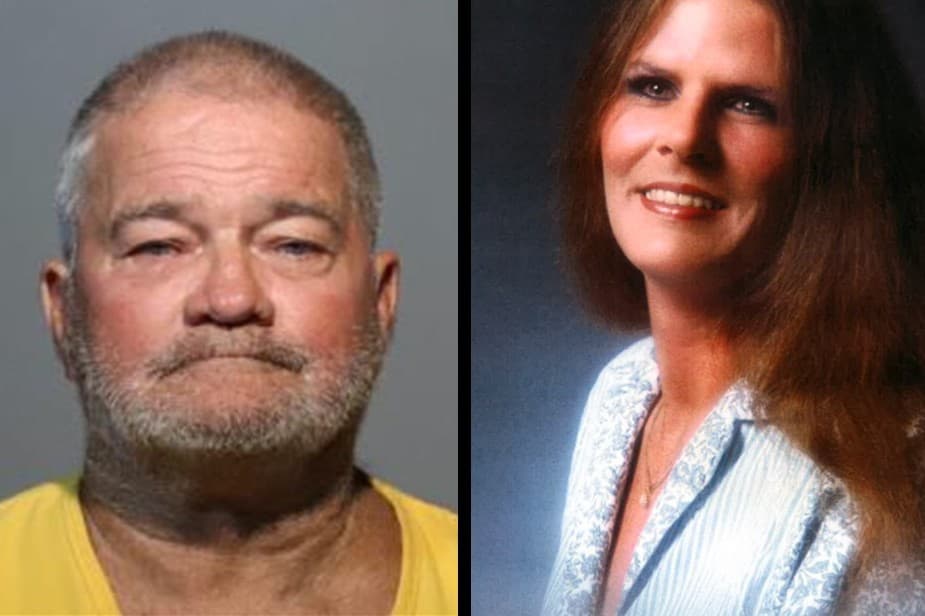
For Holtz’s son, Eric Holtz, the verdict brought a measure of closure after decades of uncertainty. “It’s some relief, it’s something I’ve carried around for 24 years,” he said. The case now stands as a stark example of what cold-case resources and forensic science can still do in Seminole County when evidence is preserved long enough to be tested again.
This article was produced by Prism’s automated news system from verified source data, official records, and press releases, then run through automated quality and moderation checks before publishing. The system is built and supervised by the people who set the standards it runs under. Read our full AI policy.
Know something we missed? Have a correction or additional information?
Submit a Tip